In short
The two dry seasons are best suited to a safari in Kenya: late June to October and mid-December to February. The grass is short then, the animals stay close to the waterholes and the tracks are easy to drive. In the Masai Mara the long dry season coincides with the Great Migration, which usually reaches the area between July and October. The long rainy season from roughly April to May is the least suitable time for a safari.
- Dry season
- Transition or short rains
- Long rainy season
- Migration in the Masai Mara
Weather in Kenya
The climate in Kenya
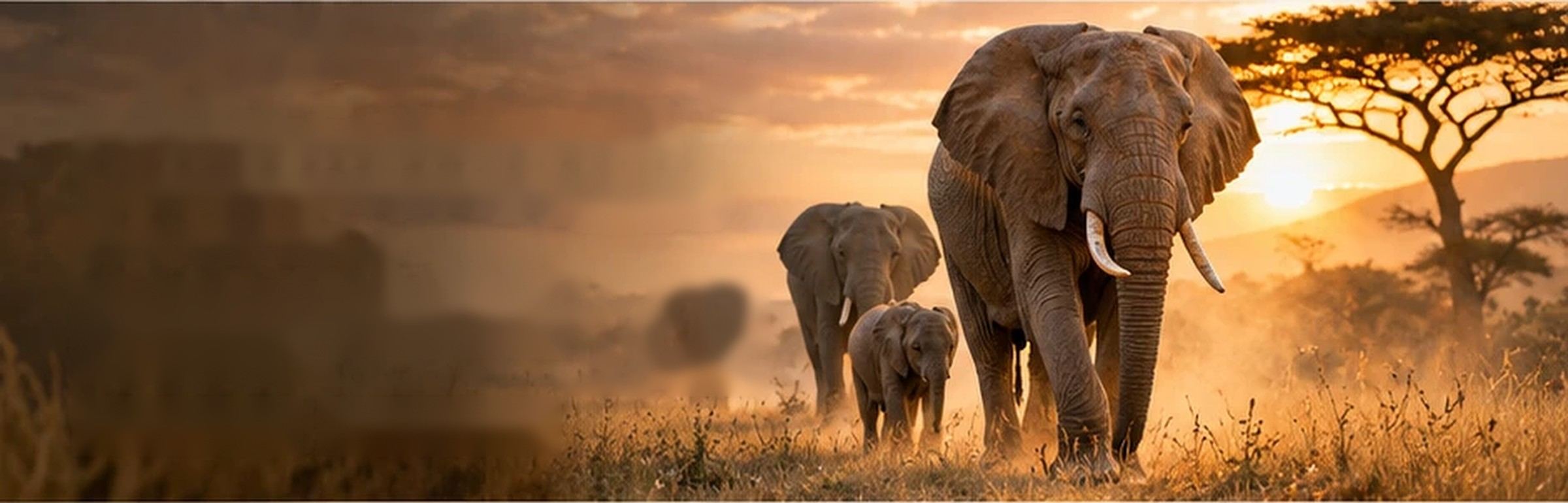
Elephant herd in the evening light
Kenya lies on the equator. Temperatures therefore change little over the year and depend mainly on altitude. Nairobi, the Masai Mara and Amboseli National Park lie at about 1,100 to 2,000 metres. During the day it is usually pleasantly warm there, often around 25 degrees. Early in the morning and in the evening, however, it can get cool, and you will notice this clearly in the open vehicles on a morning game drive. On the coast near Mombasa it is hot and humid all year round.
The year is divided into two rainy seasons and two dry seasons. The long rains last roughly from late March to May, the short rains from about November to early December. In between come the long dry season from late June to October and the short dry season from mid-December to February. How heavily and exactly when it rains varies from year to year.
Month by month
Kenya by month
This overview applies to the safari areas in the highlands and the south, that is the Masai Mara, Amboseli and Lake Nakuru. The information is based on experience and is not a promise for any particular year.
| Month | Weather | For a safari |
|---|---|---|
| January and February | Short dry season, warm, mostly sunny | Very good. After the short rains the landscape is often still green. |
| March | Transition, first showers possible | Good, more changeable towards the end of the month. |
| April and May | Long rainy season, sometimes heavy rainfall | Limited. Tracks can be muddy and some camps close. On the other hand, there are few visitors and the landscape is very green. |
| June | Rain eases, start of the dry season | Good, the vegetation is still high. |
| July to September | Long dry season, cool mornings | Very good. Great Migration in the Masai Mara, high season with the most visitors. |
| October | Usually still dry | Very good. The herds are often still in the Masai Mara, and there are fewer vehicles about than in August. |
| November | Short rainy season, mostly short showers | Good. It often rains in the afternoon, the mornings are clear. |
| December | Rain usually ends early in the month | Good to very good, busy around Christmas. |
Masai Mara
The Great Migration in the Masai Mara
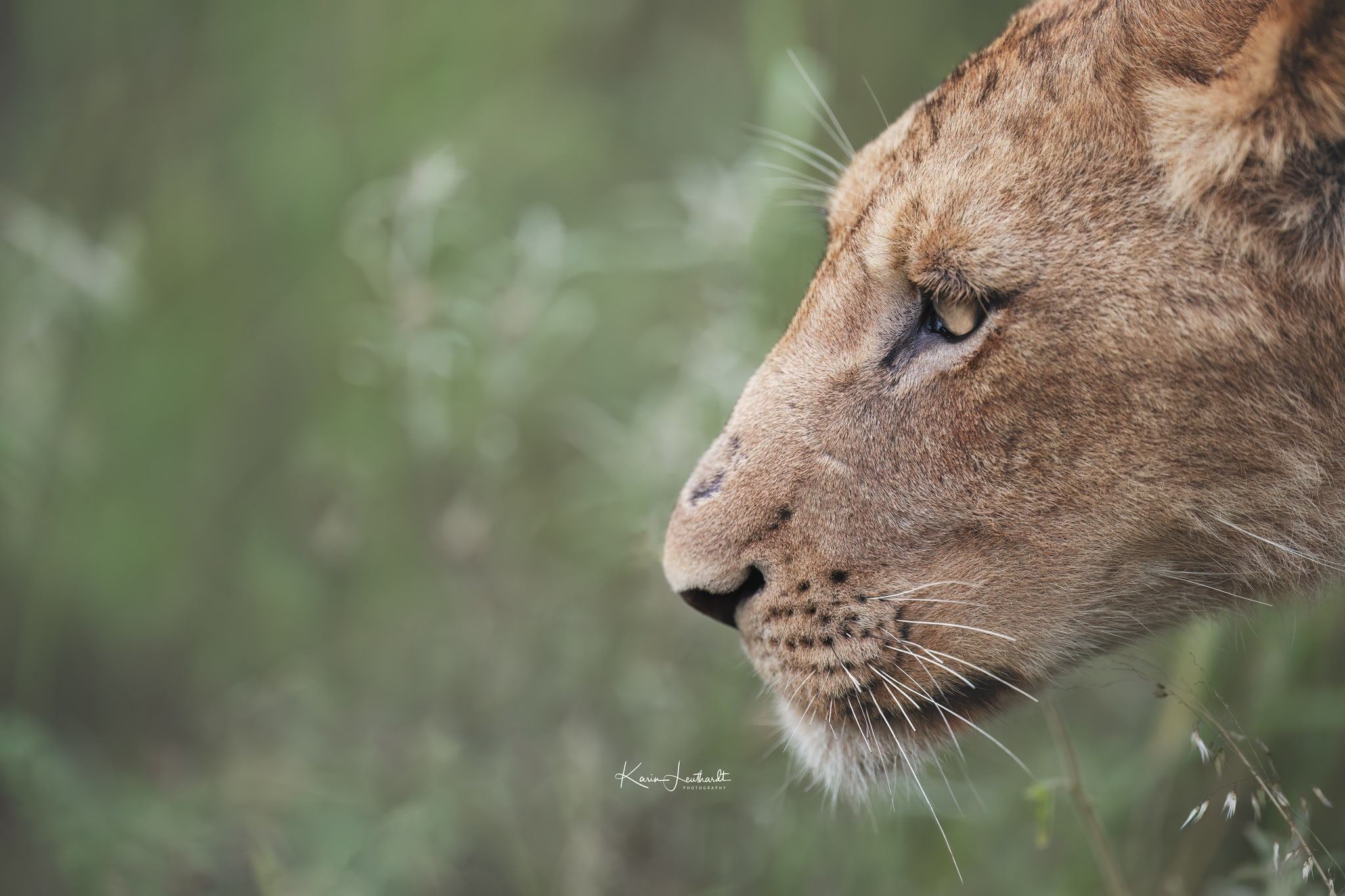
Lioness in the tall grass. Photo: Karin Leuthardt
Well over a million wildebeest, together with zebras and gazelles, move in a circle all year round through the Serengeti in Tanzania and the Masai Mara in Kenya. They follow the rain and the fresh grass. There are no fences between the two protected areas.
The herds usually reach the Masai Mara in July and stay until about October. The crossings of the Mara River, where crocodiles lie in wait for the animals, are well known. When and where a crossing takes place cannot be predicted; it depends on the rain and on the behaviour of the herds. If you want to see a river crossing, you need time and a little luck.
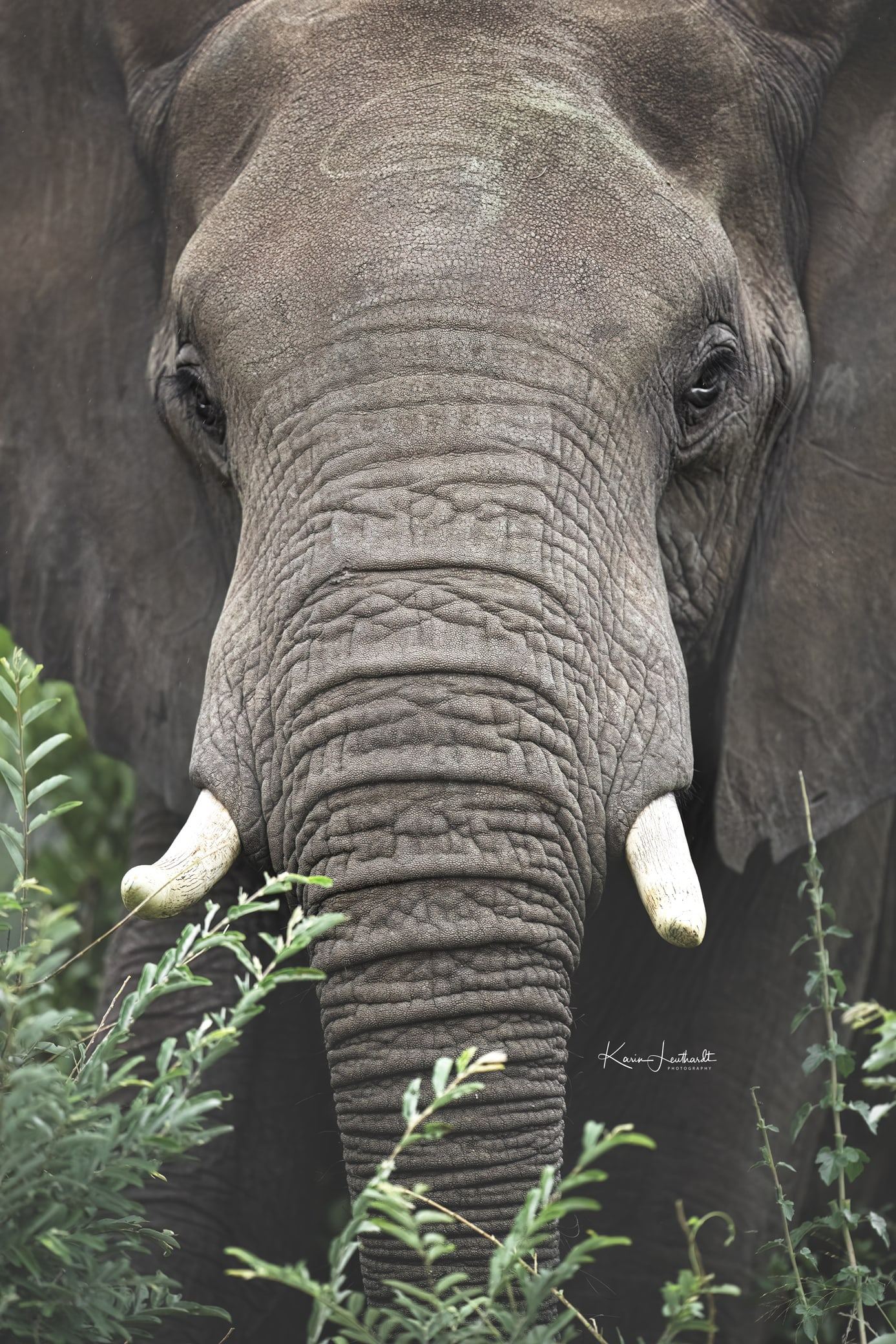
The Masai Mara is also worth visiting outside the migration. Lions, leopards, cheetahs, elephants and buffalo live in the reserve all year round. There is therefore no bad dry season for a Masai Mara safari.

Masai Mara, Amboseli, Lake Nakuru
Best time to visit the individual parks
The three best-known protected areas in southern Kenya differ greatly. If you combine them on a Kenya safari tour, you will see open savannah, swamplands in front of Kilimanjaro and a lake in the Great Rift Valley.
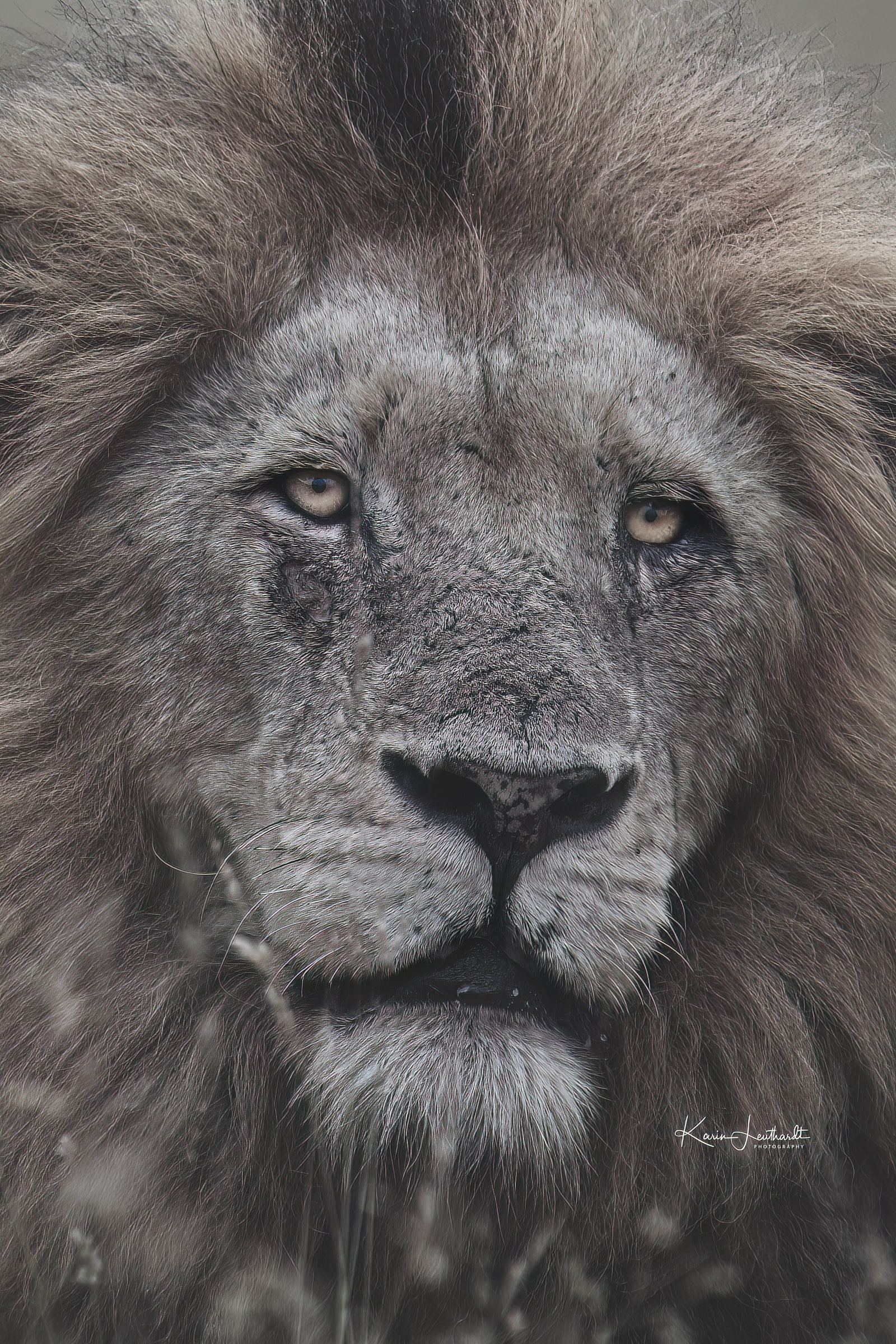
Masai Mara
July to October for the migration, January and February for quieter game drives in a green landscape. Big cats can be seen all year round.
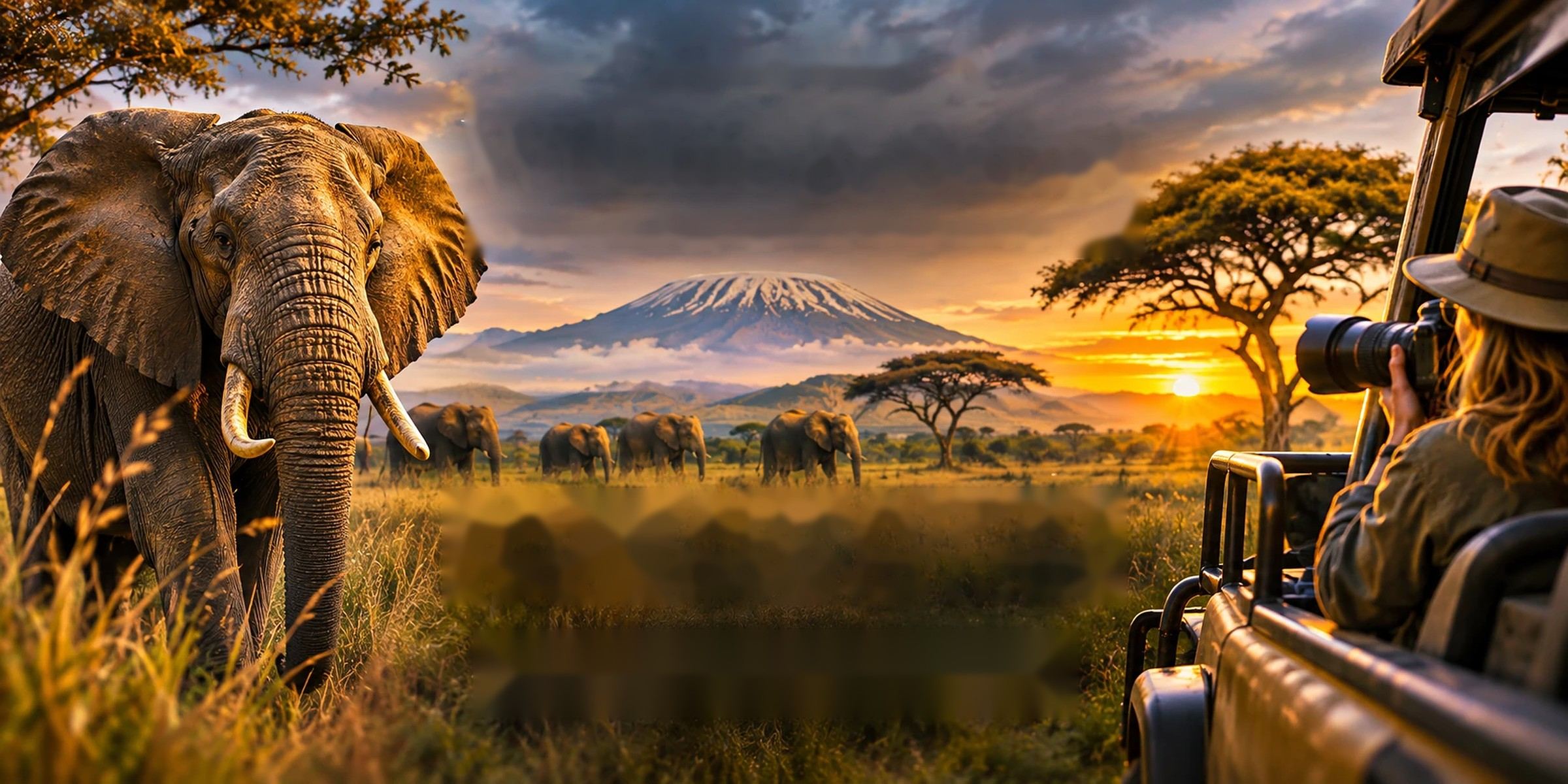
Amboseli National Park
Best in the dry seasons. That is when the large elephant herds move to the swamps in the park, which hold water even in the dry months. Kilimanjaro is often clear early in the morning and in the evening; around midday it often disappears into the clouds.
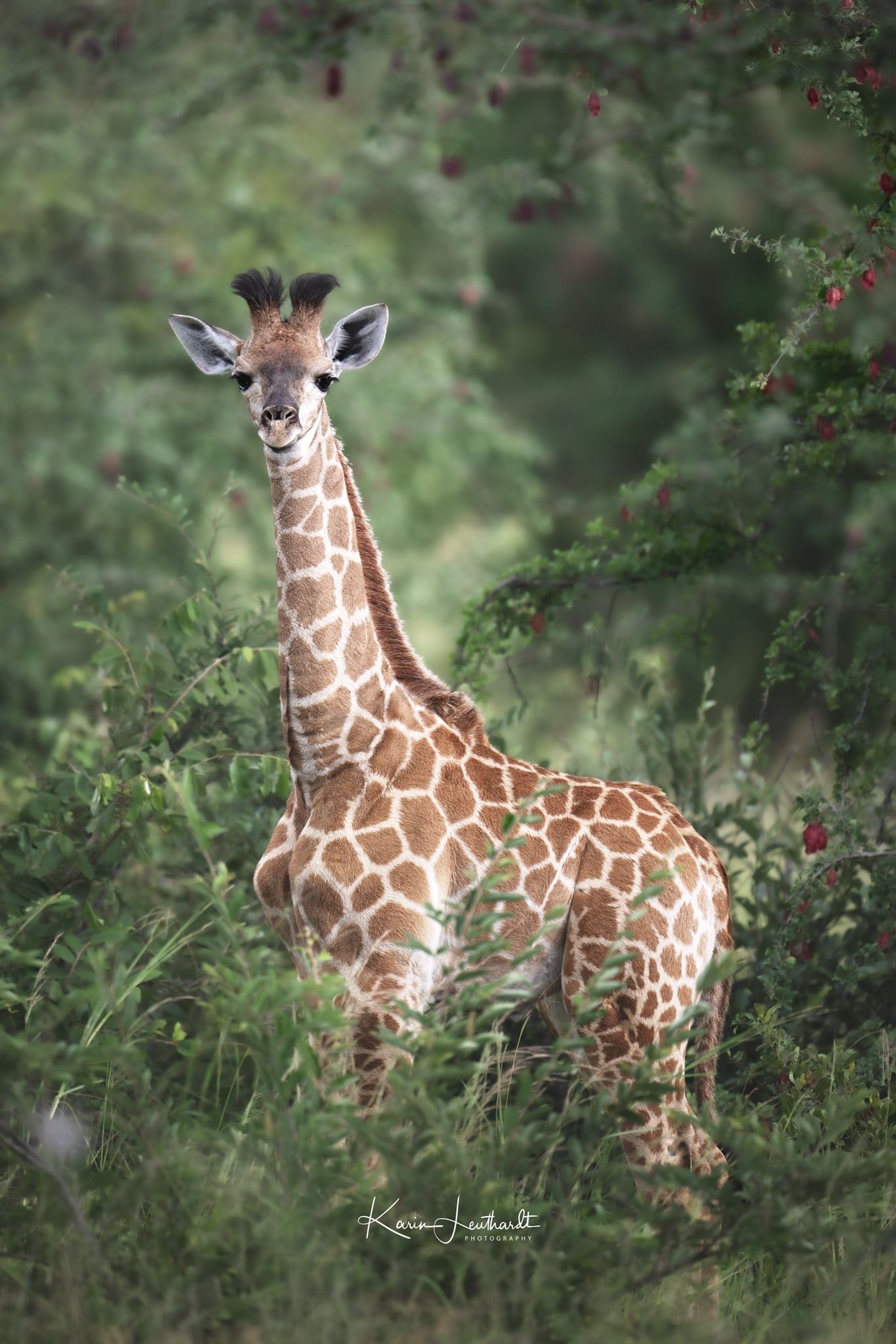
Lake Nakuru National Park
Worth visiting all year round, above all for its black and white rhinos and Rothschild’s giraffes. How many flamingos are on the lake depends on the water level and varies greatly.
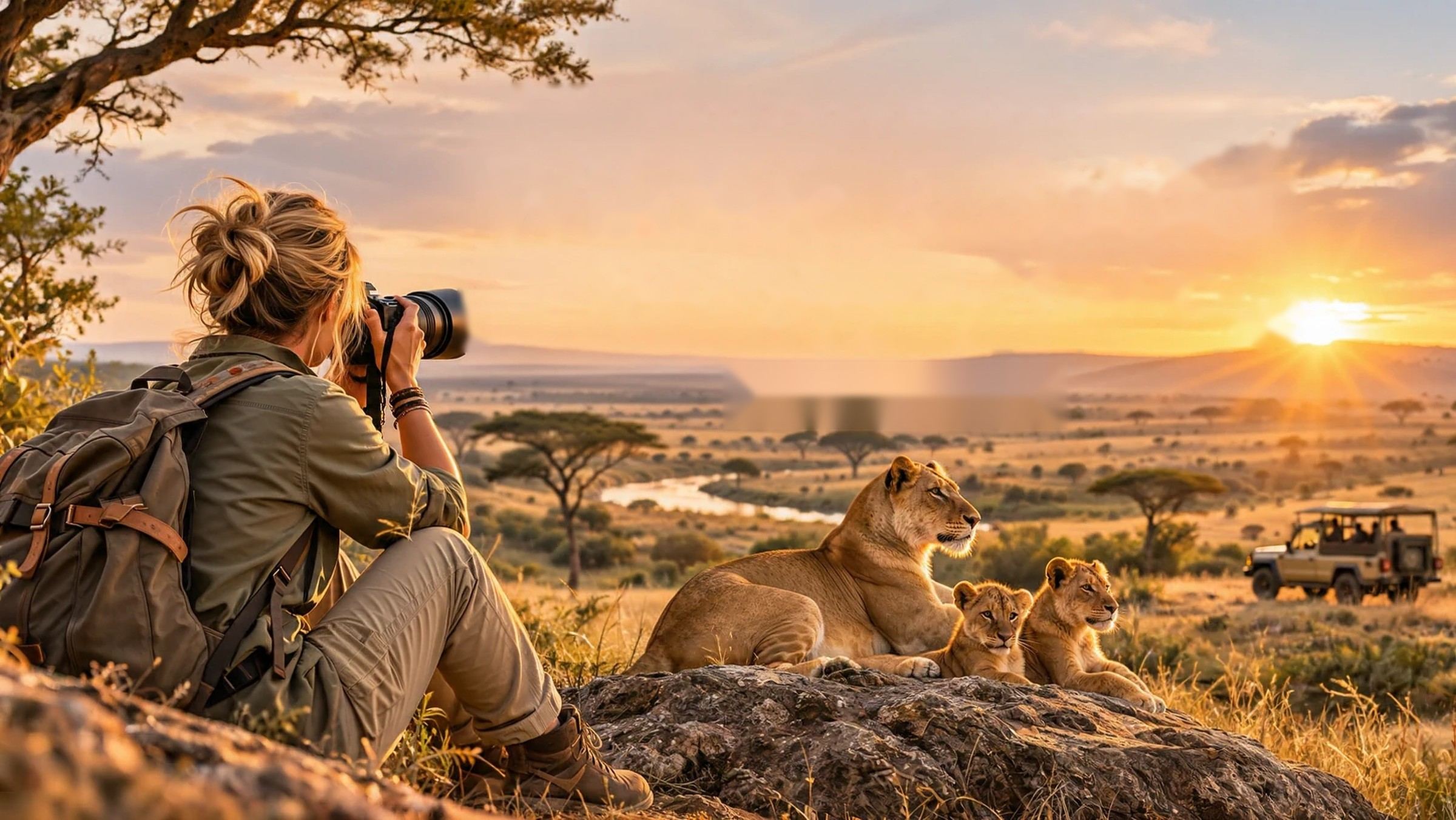
Kenya tour
Three parks on one Kenya tour
Photo safari in the last light of the day
The Masai Mara, Lake Nakuru and Amboseli combine well on a tour of about ten days. The drives between the parks each take several hours; if you plan plenty of time in the Masai Mara, you have the best chance of special wildlife sightings.
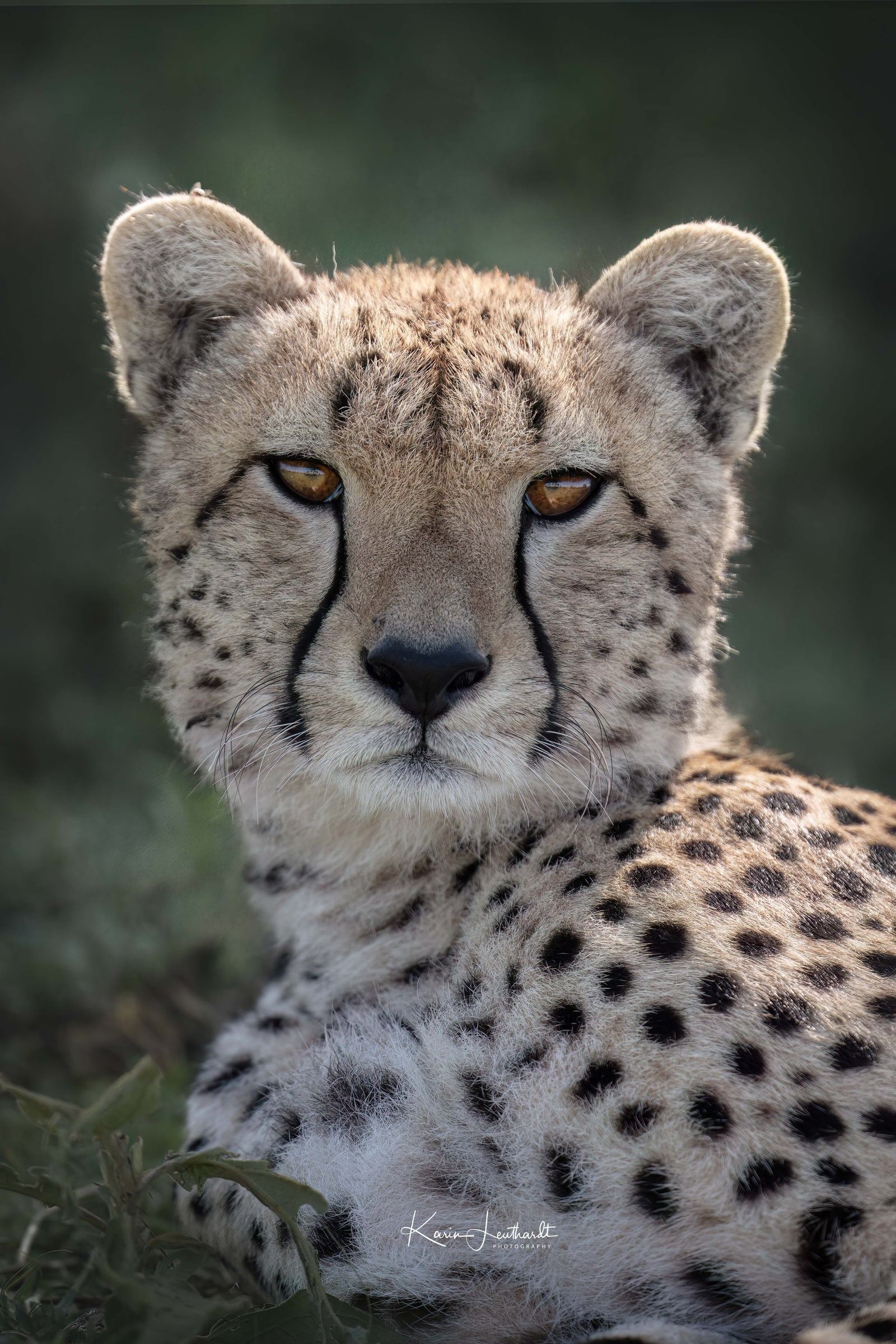
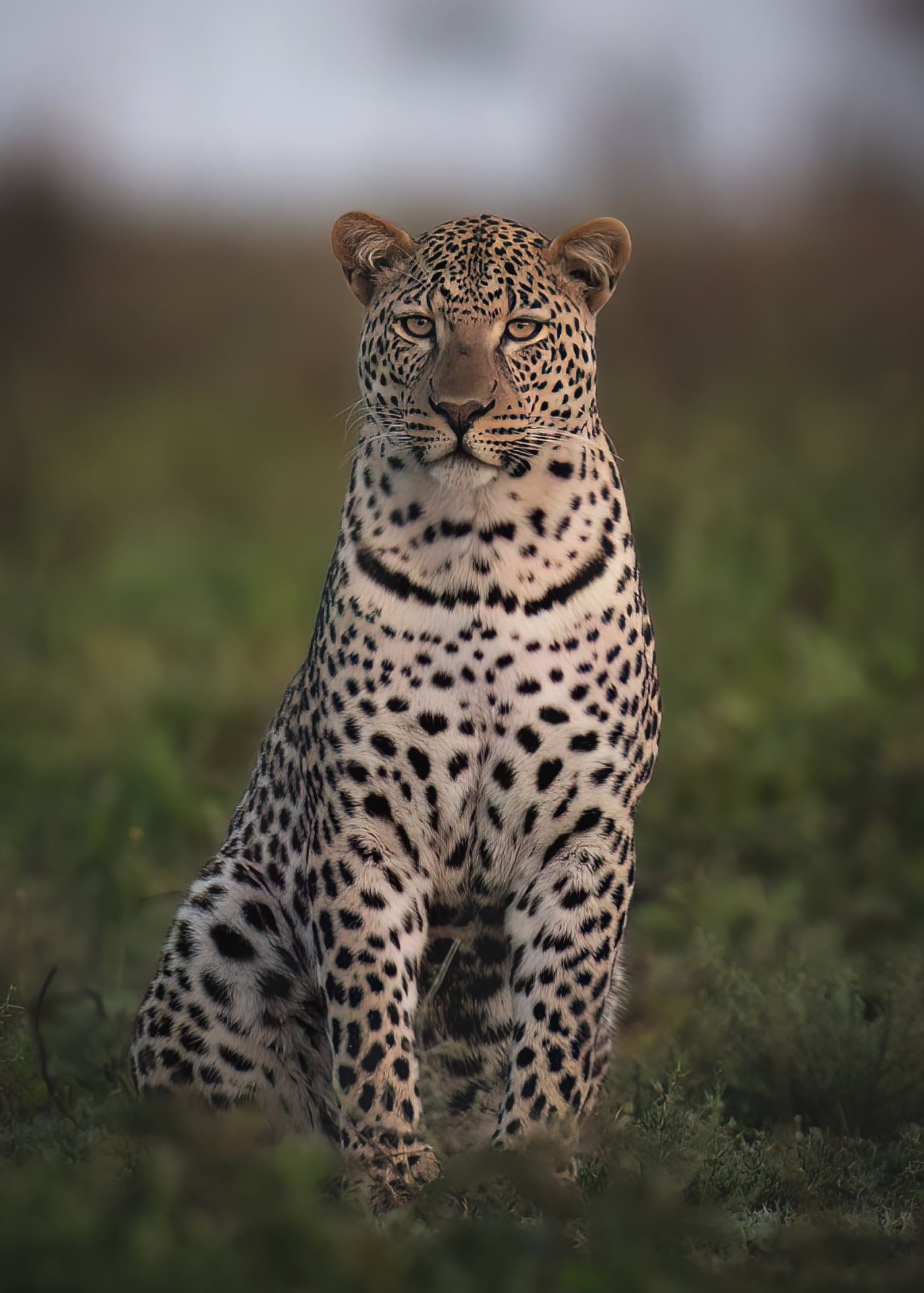
One example is Karin’s photo safari: six nights in the Masai Mara, one night at Lake Nakuru and two nights in Amboseli National Park, starting and ending in Nairobi.

Kenya in October
Why October is a good choice
October is the end of the long dry season. The migration herds are often still in the Masai Mara, and towards the end of the month they begin to move back into the Serengeti. There are fewer visitors about than in July and August, and the light in the morning and late afternoon is very good for photography.
From late October the first short rains can begin. These are mostly short showers that hardly disrupt a safari.
Karin’s photo safari through the Masai Mara, Lake Nakuru and Amboseli takes place from 17 to 26 October 2027, with a maximum of 6 participants.
Kenya holidays
Kenya holidays: combining safari and coast
Many people combine a Kenya safari with a few days on the Indian Ocean, for example on the beaches south of Mombasa. It is warm on the coast all year round. In the rainy seasons, especially in April and May, it also rains a lot there; the months that suit a beach holiday are therefore the same as those for a safari.
Preparation
Clothing and equipment by season
Because of the cool mornings and warm middays, dressing in layers has proved its worth: a fleece or a light down jacket for the morning game drive, with airy clothing in muted colours underneath. In the transitional months and during the short rains, pack a light rain jacket.
For your camera, a dust cover and a beanbag to rest it on in the vehicle are useful, especially in the dry months. On dusty tracks it is best not to change lenses in the vehicle.
FAQ
Frequently asked questions about when to travel
When is the best time for a safari in Kenya?
In the dry seasons from late June to October and from mid-December to February. The animals are easier to find then and the tracks are easy to drive.
When is the best time to visit the Masai Mara?
For the Great Migration, usually July to October. Big cats, elephants and buffalo are in the reserve all year round; it is quieter in January and February.
When is the Great Migration in Kenya?
The herds usually reach the Masai Mara in July and stay until about October. The exact timing depends on the rain and changes from year to year.
Can you travel to Kenya in the rainy season?
Yes, with some limitations. In the short rainy season in November it usually rains only briefly. In the long rainy season in April and May some tracks are difficult to drive and some camps are closed, but it is quieter and the landscape is very green.
How warm is it in Kenya?
In the safari areas in the highlands it is often around 25 degrees during the day, and cool in the morning and evening. On the coast it is hot and humid all year round.
Is October a good time to visit Kenya?
Yes. October falls at the end of the dry season, the migration is often still in the Masai Mara and there are fewer visitors about than in July and August.