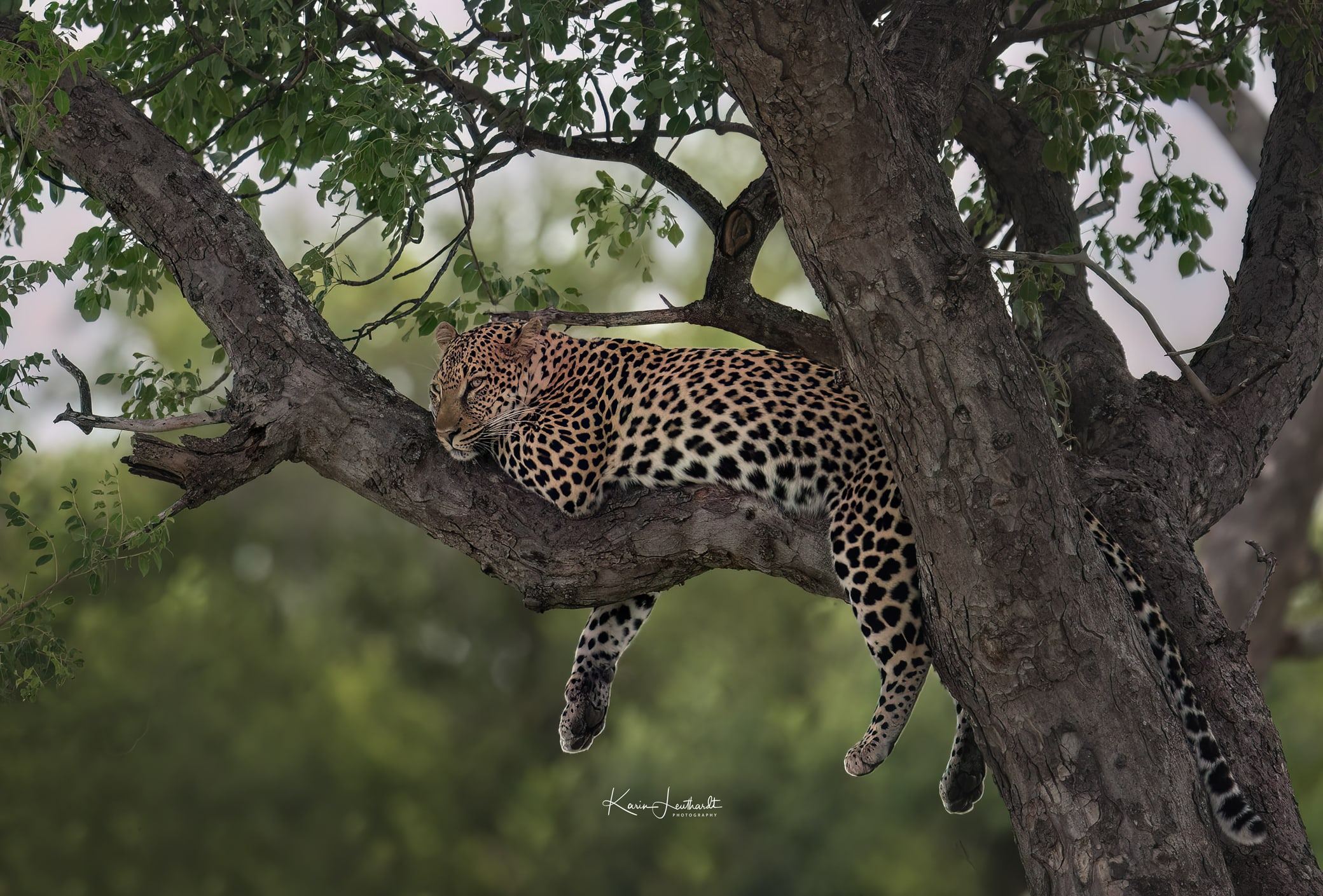
Wildlife in South Africa
Kruger National Park covers almost two million hectares and, together with the adjoining unfenced private reserves, forms the Greater Kruger area. It is home to all of the Big Five and one of the most important African wild dog populations in South Africa.
- 18 species
- 10 threatened
- South Africa safari, 23 to 31 May 2027 →
Wildlife in South Africa
-
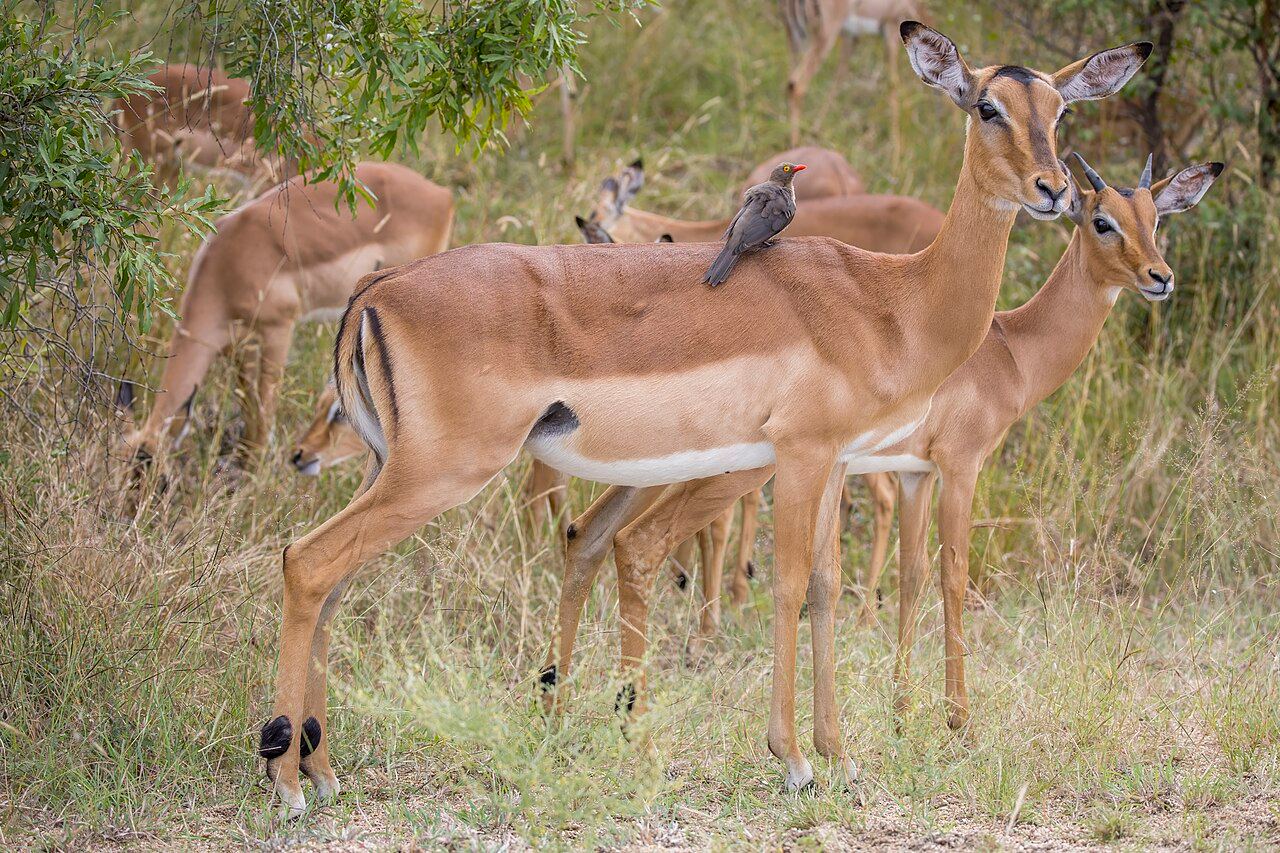
Photo: Charles J. Sharp, CC BY-SA 4.0 Impala
LC · Least ConcernAepyceros melampus
Photo chance on Karin’s trip99 %very likely · Very common
Where: Everywhere in the reserve, the most common antelope.
Impalas can leap up to three metres high and ten metres far. They are the most common antelope in the Kruger area.
-
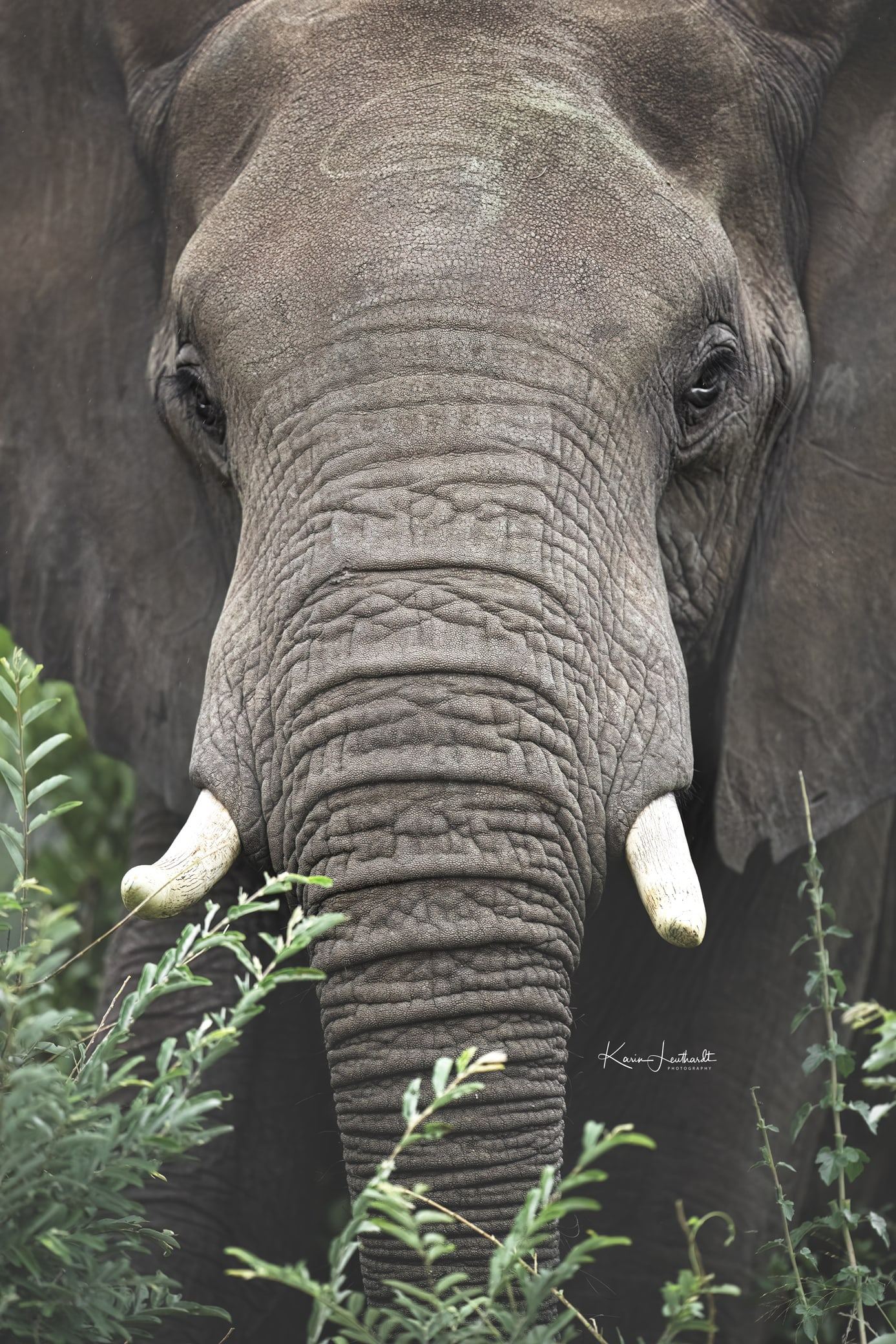
African savanna elephant
EN · EndangeredLoxodonta africana
Photo chance on Karin’s trip98 %very likely · Very common in Greater Kruger
Where: Herds throughout the reserve, in May often at waterholes.
The African savanna elephant is the largest living land animal. Since 2021 the IUCN has assessed the savanna elephant and the forest elephant as separate species.
-
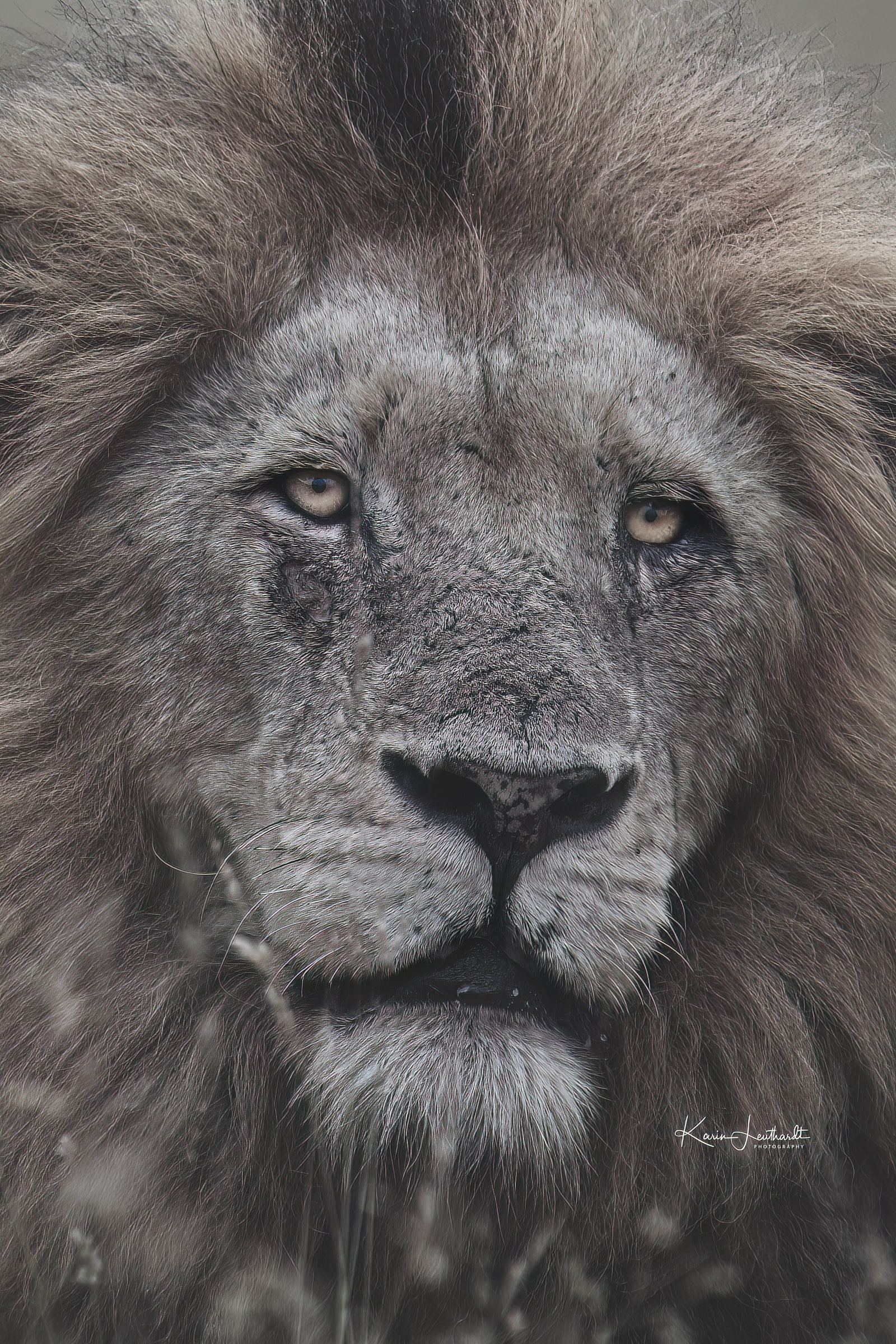
Lion
VU · VulnerablePanthera leo
Photo chance on Karin’s trip95 %very likely · Packs in the reserves are well known
Where: On game drives in the private Kruger reserve.
Lions are the only cats that live in prides. Estimates suggest only around 20,000 to 25,000 remain in Africa.
-
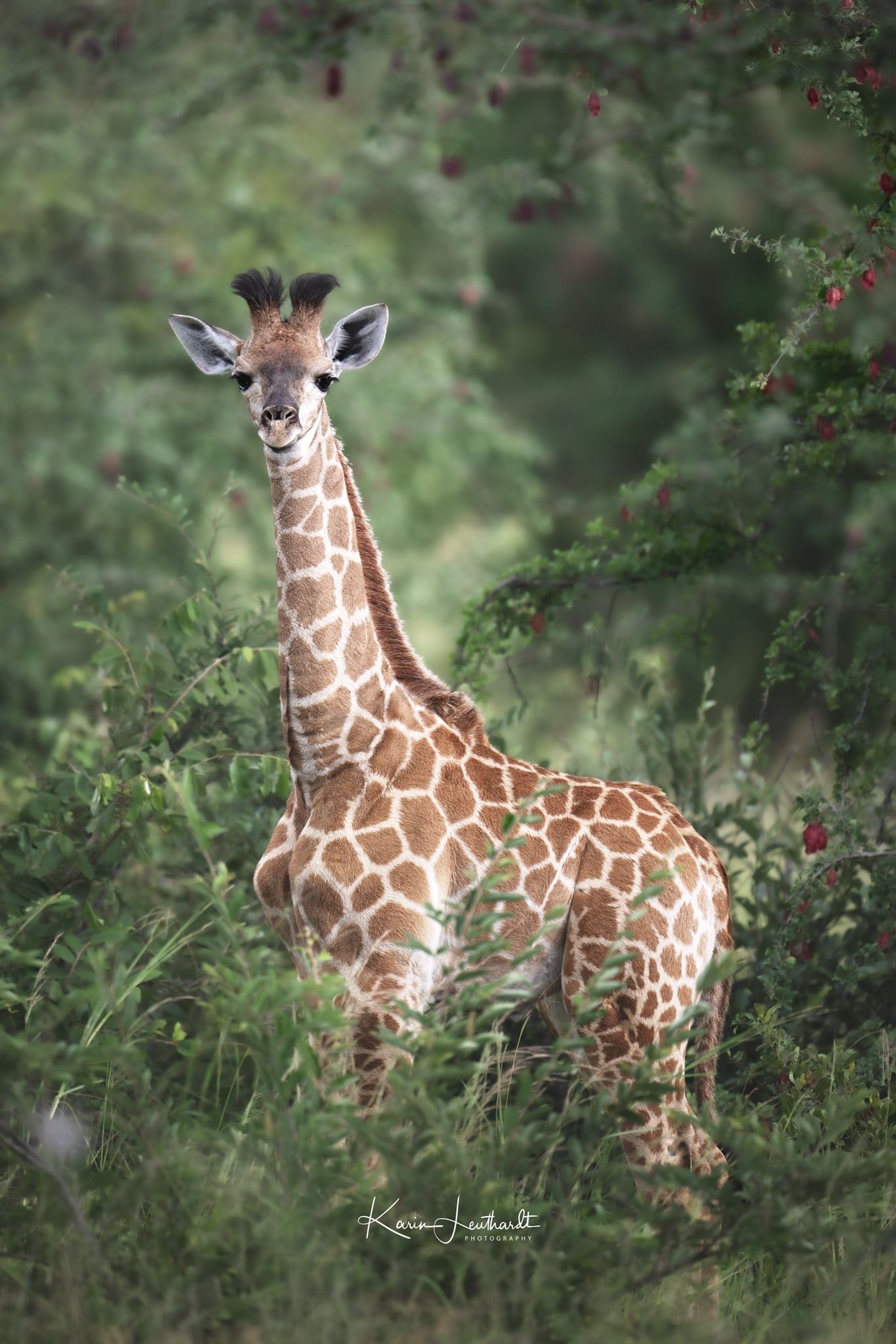
Southern giraffe
VU · VulnerableGiraffa giraffa
Photo chance on Karin’s trip95 %very likely · Common in Greater Kruger
Where: Throughout the reserve in open bushland.
The Kruger area is home to the South African giraffe, a subspecies of the southern giraffe. Unlike in East Africa, its population is considered stable to increasing.
-

Plains zebra
NT · Near ThreatenedEquus quagga
Photo chance on Karin’s trip95 %very likely · Common
Where: In mixed herds with wildebeest and impalas.
Every plains zebra has its own stripe pattern. In the Serengeti, zebras migrate together with the wildebeest.
-
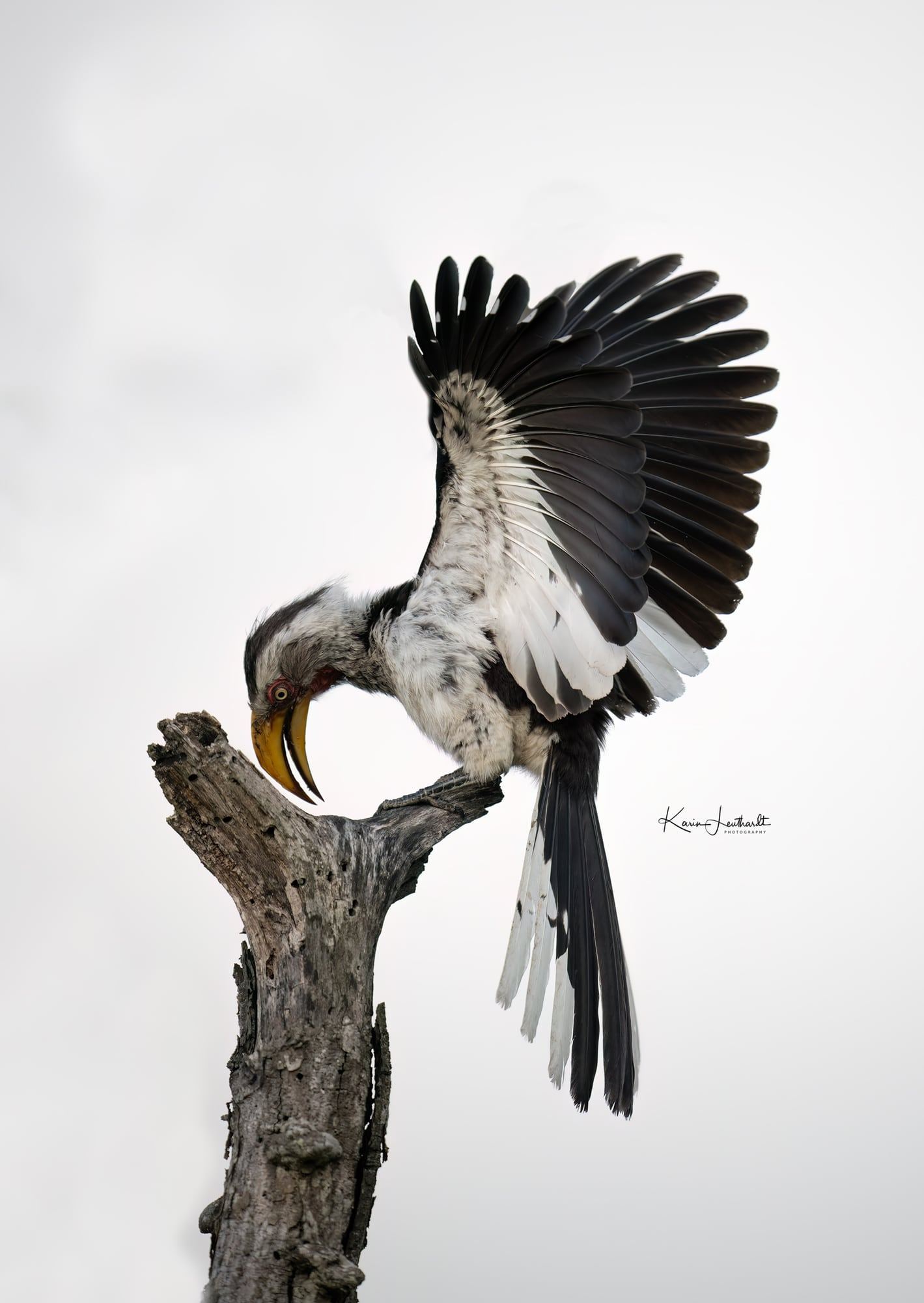
Southern yellow-billed hornbill
LC · Least ConcernTockus leucomelas
Photo chance on Karin’s trip90 %very likely · Very common bird in the Lowveld
Where: Common near the lodge and on branches along the way.
The southern yellow-billed hornbill mostly forages on the ground. In the breeding season the female seals herself into a tree cavity and is fed by the male.
-

Lilac-breasted roller
LC · Least ConcernCoracias caudata
Photo chance on Karin’s trip90 %very likely · Common, also in winter
Where: On exposed branches along the tracks.
The lilac-breasted roller shows bright blue wings in flight. It often perches in the open on branches, which makes it a popular subject for photographers.
-
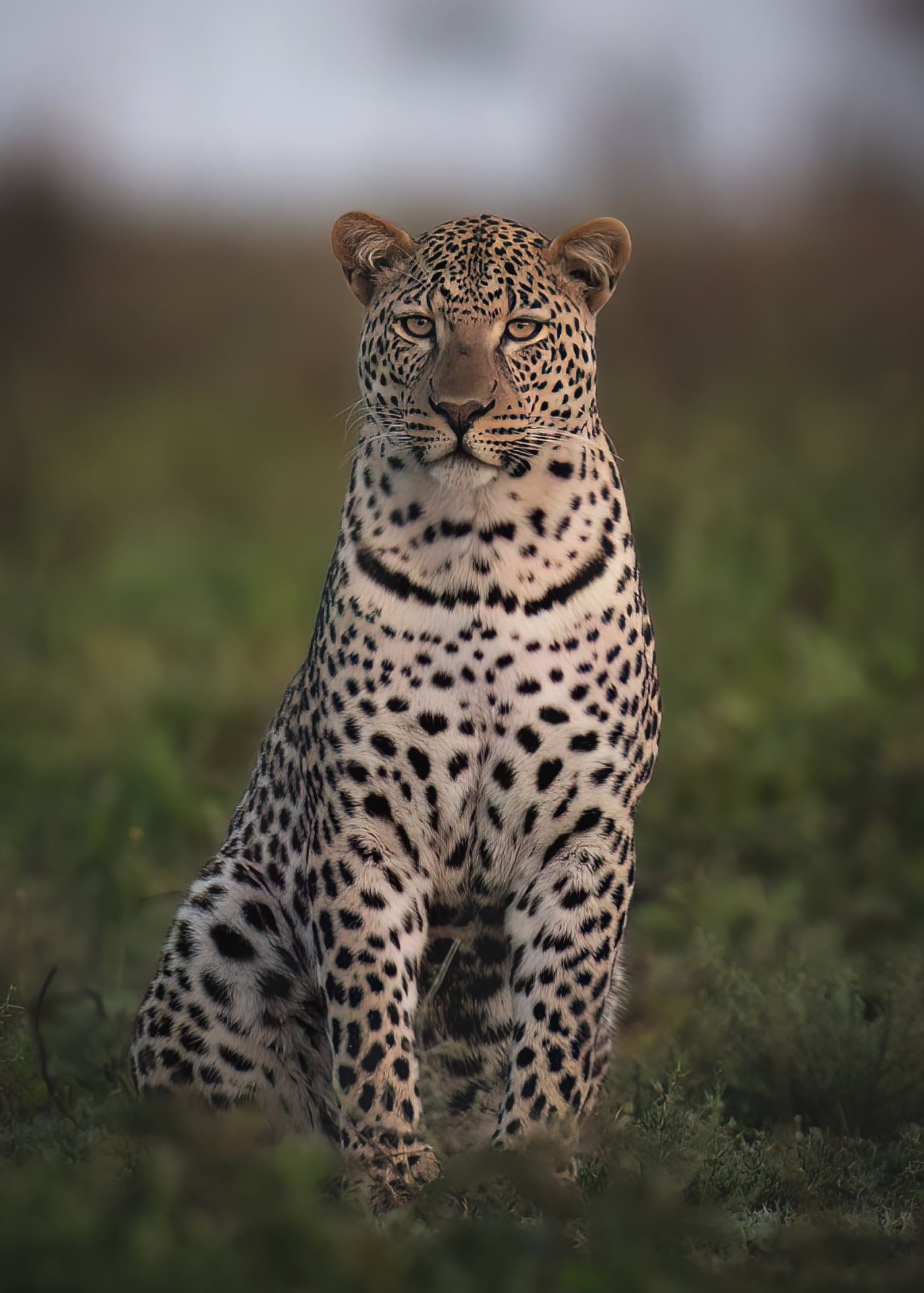
Leopard
VU · VulnerablePanthera pardus
Photo chance on Karin’s trip85 %very likely · Private reserves with off-road driving, 16 game drives
Where: On game drives in the private Kruger reserve, often tracked down with trackers.
Leopards usually hunt alone at dusk and at night. They often drag larger prey up into trees to keep it safe from lions and hyenas.
-

African buffalo
NT · Near ThreatenedSyncerus caffer
Photo chance on Karin’s trip85 %very likely · Regular, herds range widely
Where: Herds and old bulls in the private Kruger reserve.
African buffalo live in herds that can number several hundred animals. They are one of the Big Five and can even defend themselves against lions.
-
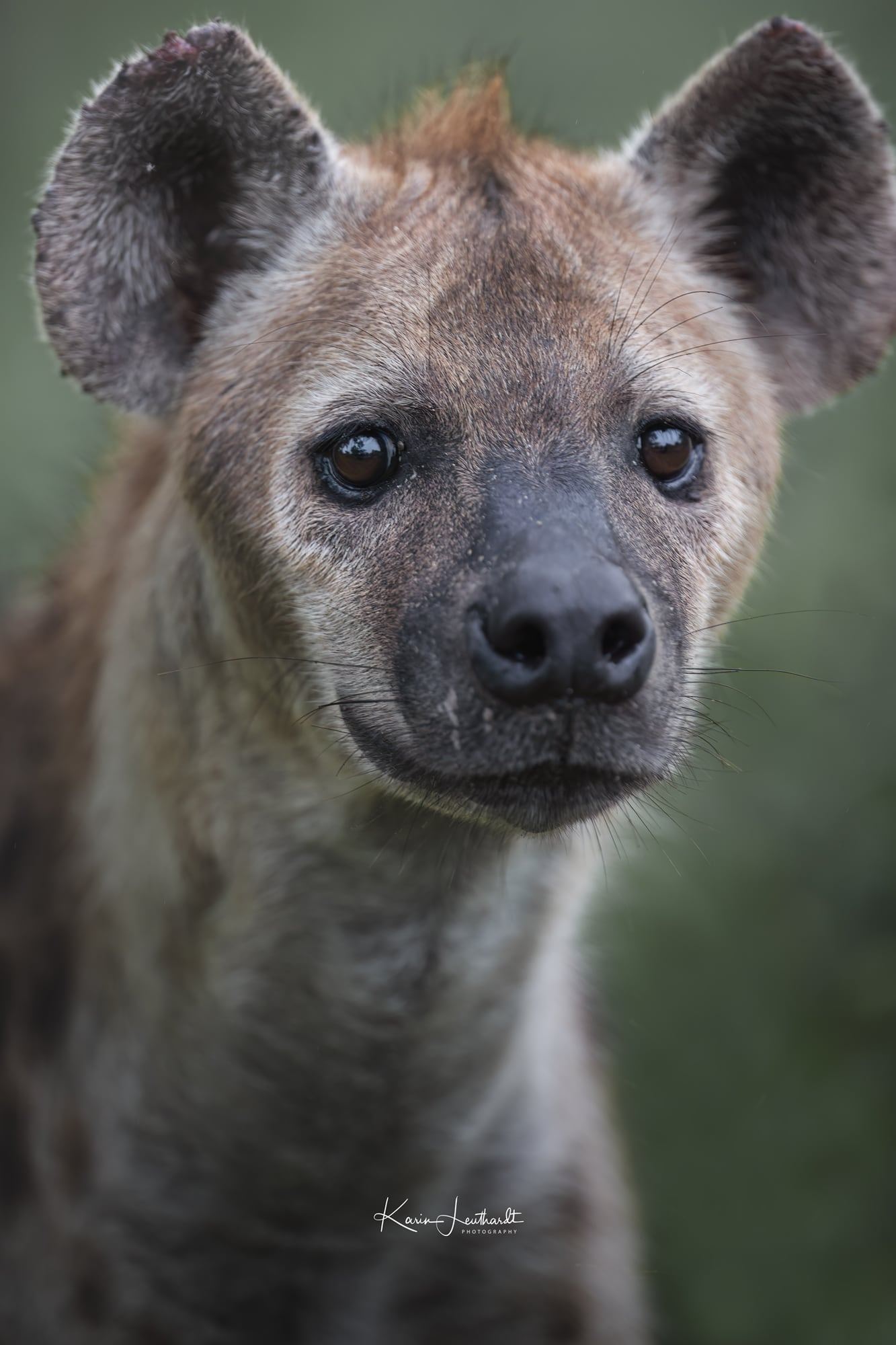
Spotted hyena
LC · Least ConcernCrocuta crocuta
Photo chance on Karin’s trip85 %very likely · Known dens are visited regularly
Where: At dens and at night on the reserve’s tracks.
Spotted hyenas live in clans led by females. They catch most of their food themselves and are by no means just scavengers.
-
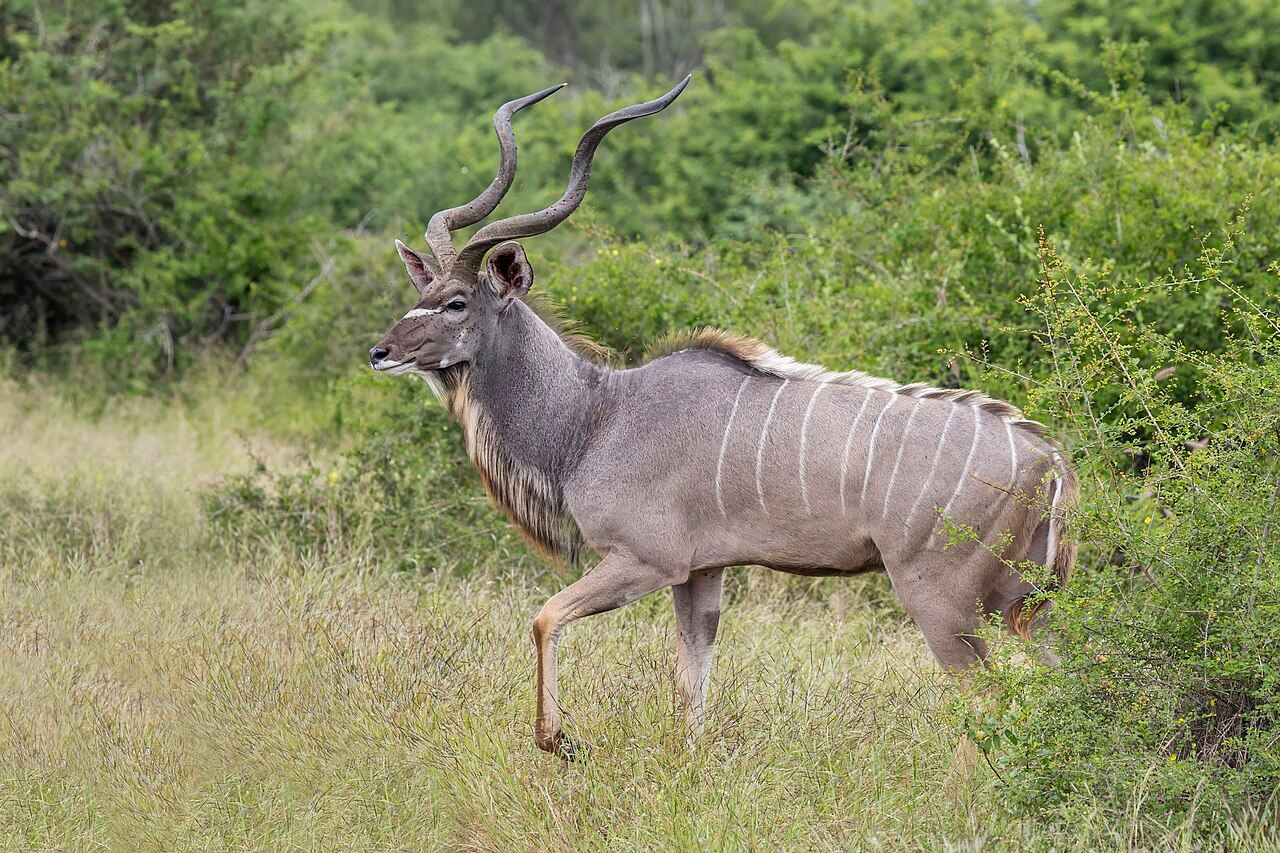
Photo: Charles J. Sharp, CC BY-SA 4.0 Greater kudu
LC · Least ConcernTragelaphus strepsiceros
Photo chance on Karin’s trip85 %very likely · Regular, easy to see in winter
Where: In denser bushland and along dry riverbeds.
Kudu bulls carry spiral horns up to 1.5 metres long. These shy antelopes prefer dense bushland.
-
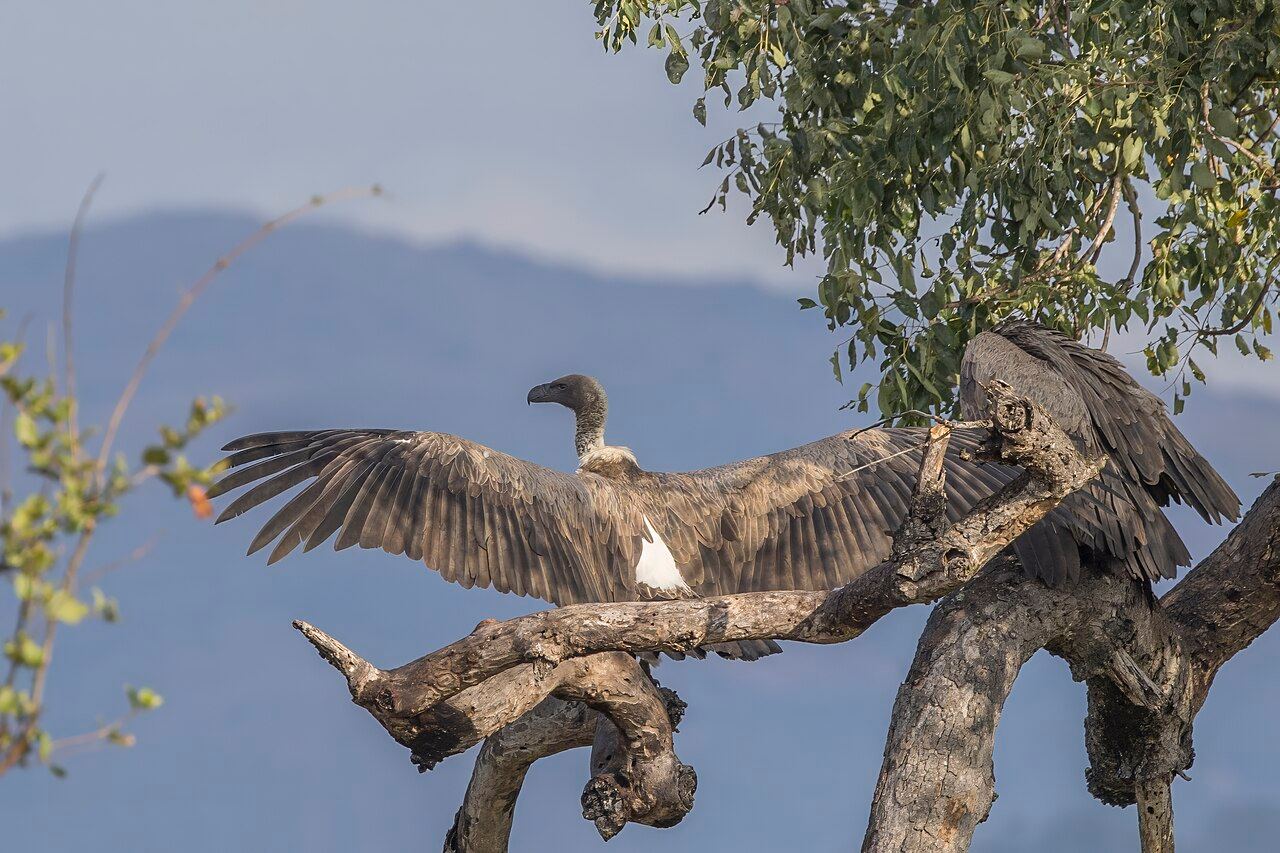
Photo: Charles J. Sharp, CC BY-SA 4.0 White-backed vulture
CR · Critically EndangeredGyps africanus
Photo chance on Karin’s trip80 %very likely · Most common vulture in Greater Kruger
Where: At kills and in trees near waterholes.
White-backed vultures are often the most numerous vultures at carcasses. Poisoning above all has caused their population to crash by around 90 percent in three generations.
-
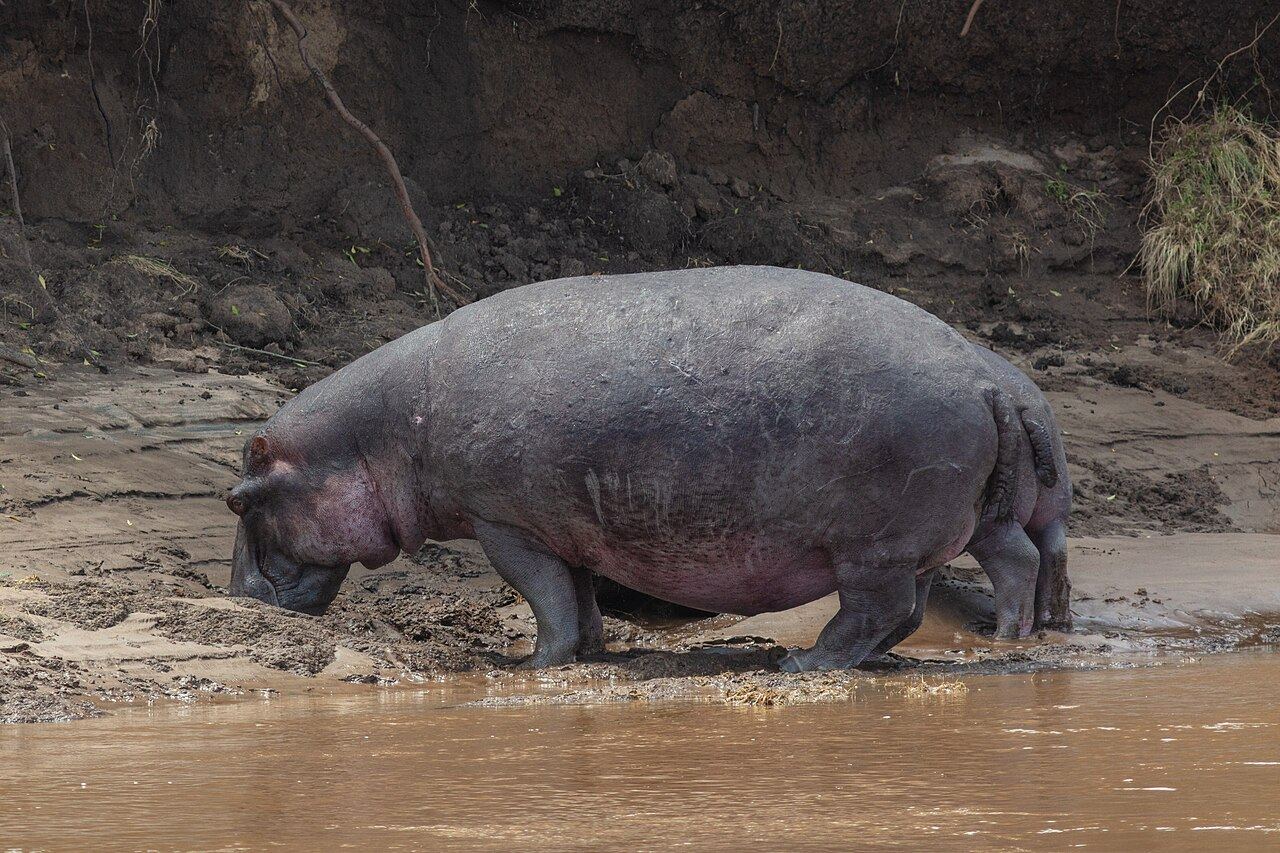
Photo: Diego Delso, CC BY-SA 4.0 Hippopotamus
VU · VulnerableHippopotamus amphibius
Photo chance on Karin’s trip75 %quite likely · Depends on the waterholes in the reserve
Where: In the dams and rivers of the reserve.
Hippos spend the day in the water and come ashore at night to graze. Bulls often weigh well over a tonne.
-
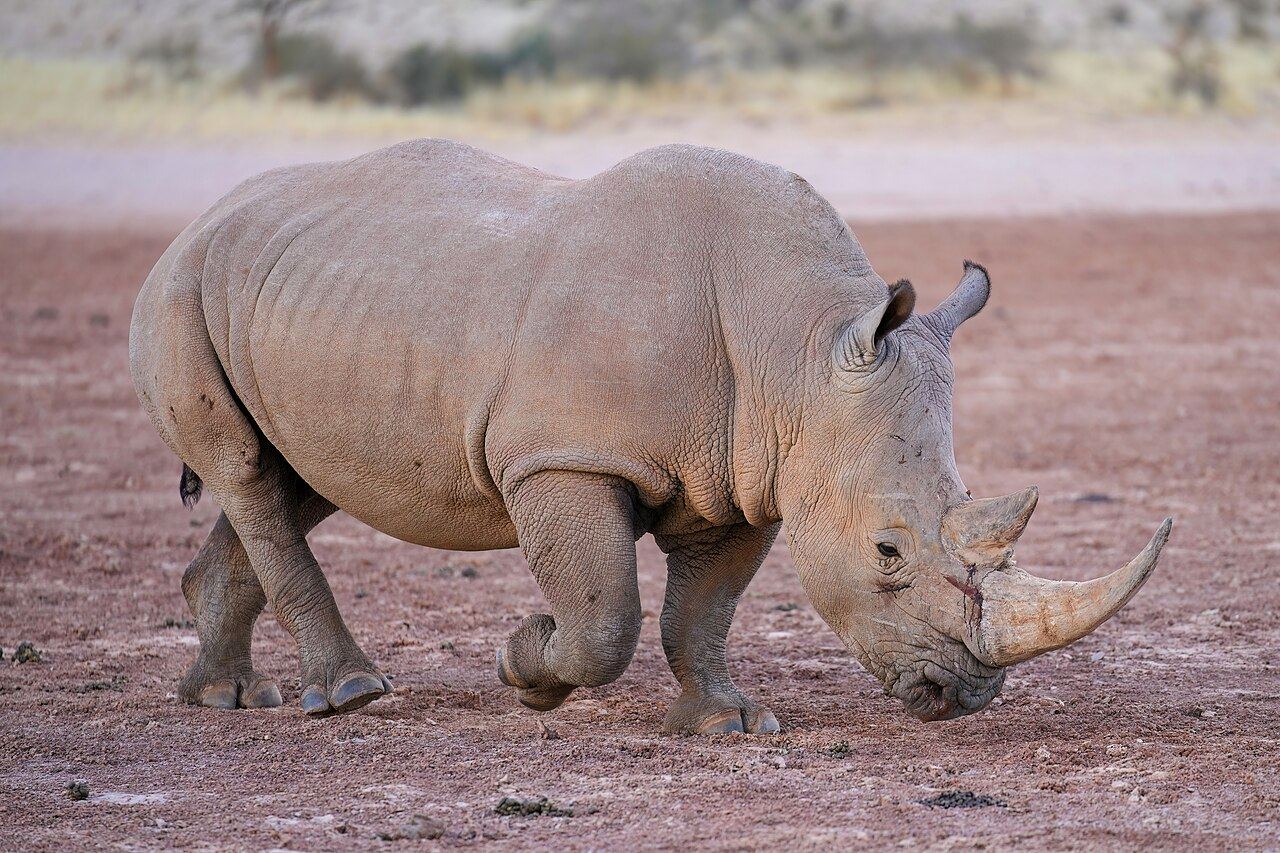
Photo: Giles Laurent, CC BY-SA 4.0 White rhinoceros
NT · Near ThreatenedCeratotherium simum
Photo chance on Karin’s trip50 %quite likely · Strongly depends on the specific reserve
Where: In the private Kruger reserve, numbers greatly reduced by poaching.
The white rhino is a grazer with a broad, square mouth. Most of the world’s population lives in South Africa, where poaching has greatly reduced numbers in the Kruger area.
-
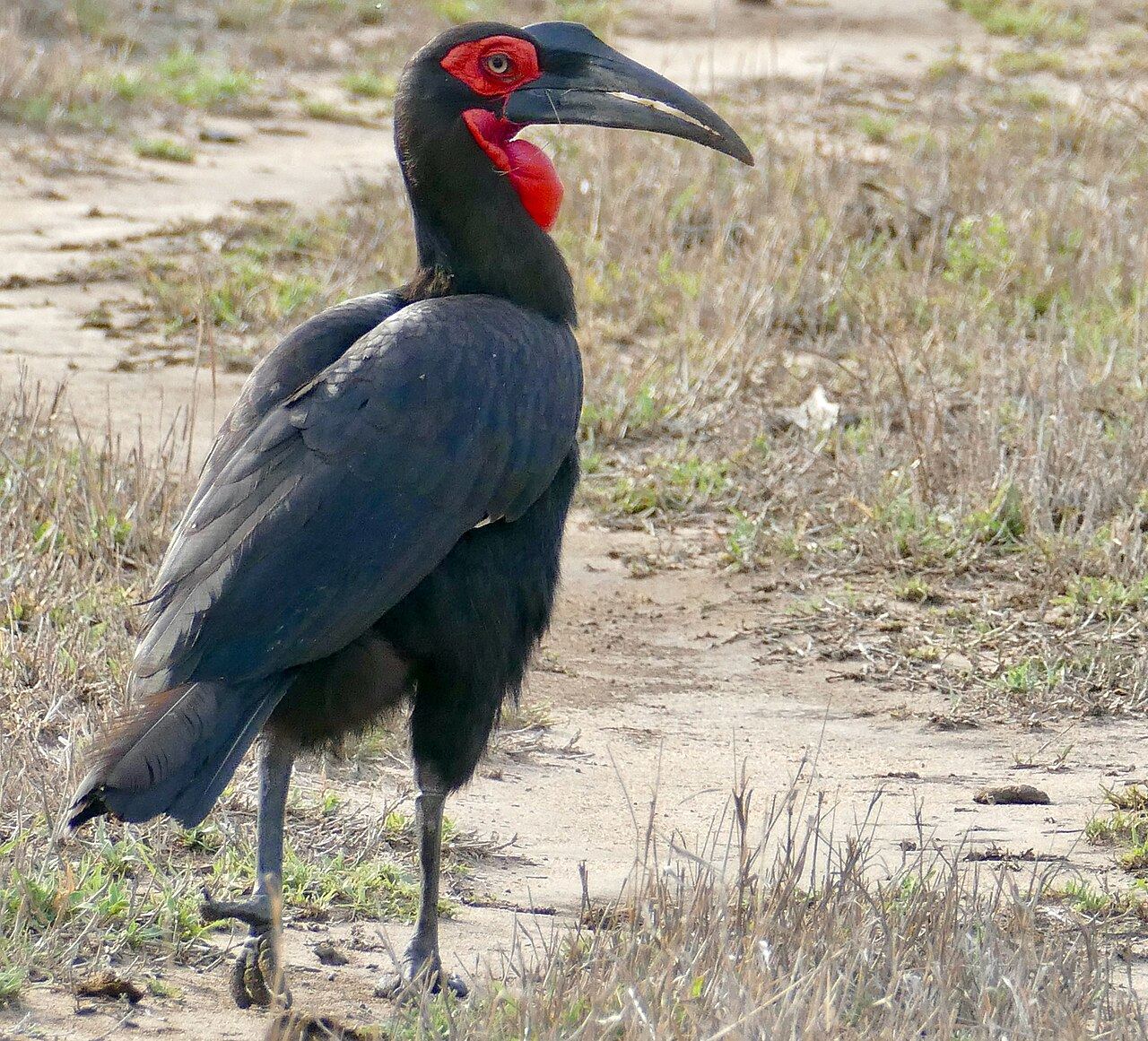
Photo: Bernard DUPONT from FRANCE, CC BY-SA 2.0 Southern ground hornbill
VU · VulnerableBucorvus leadbeateri
Photo chance on Karin’s trip40 %with luck · Few groups, large territories
Where: Groups in the reserve’s open grassland.
Southern ground hornbills live in groups and usually raise only one chick every three years. In South Africa they are classified nationally as endangered.
-
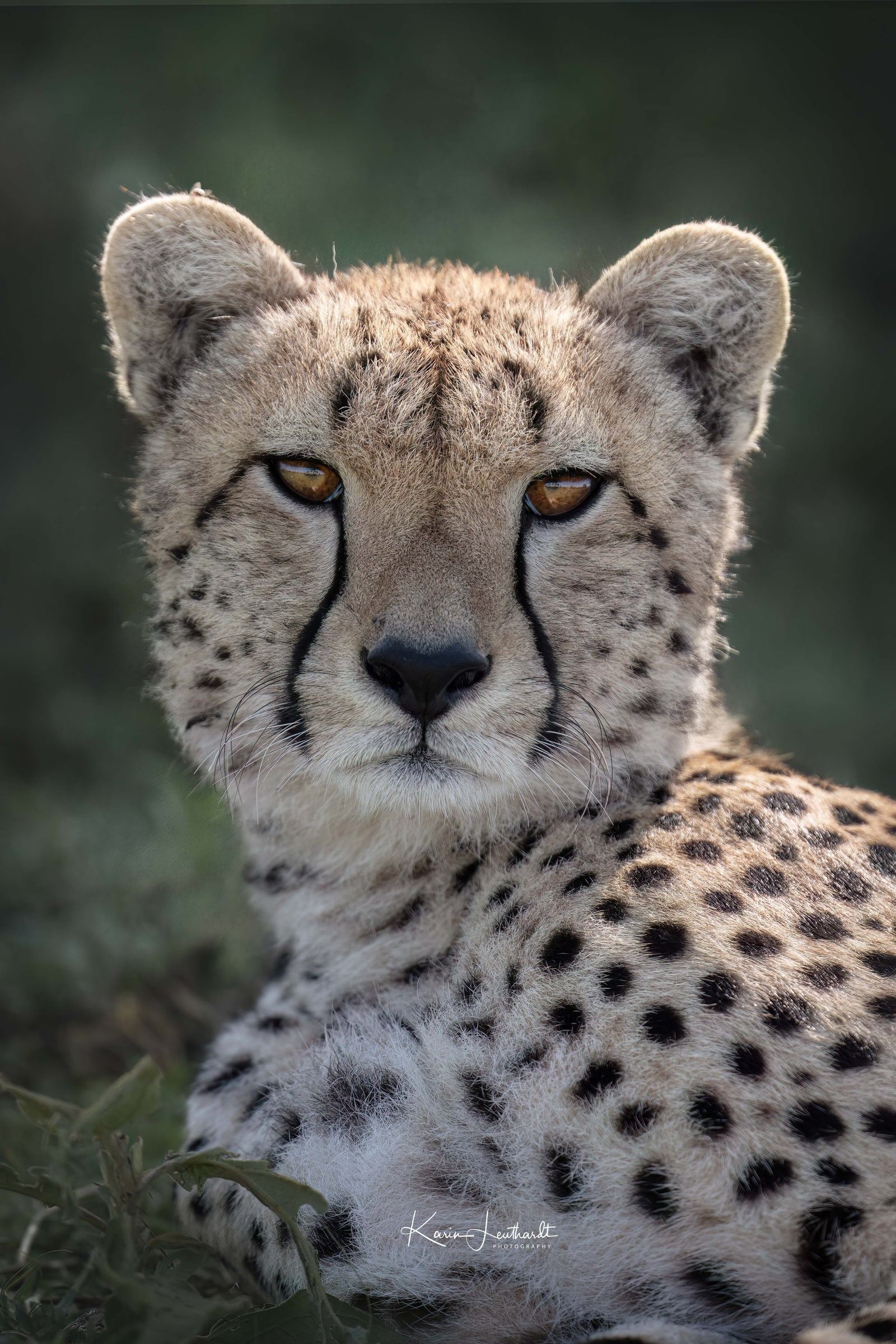
Cheetah
VU · VulnerableAcinonyx jubatus
Photo chance on Karin’s trip30 %with luck · Low density in the bushy terrain
Where: Occasionally in more open areas of the reserve.
In a sprint the cheetah reaches over 100 km/h, and it hunts mostly by day. Only around 7,000 adults remain across Africa.
-
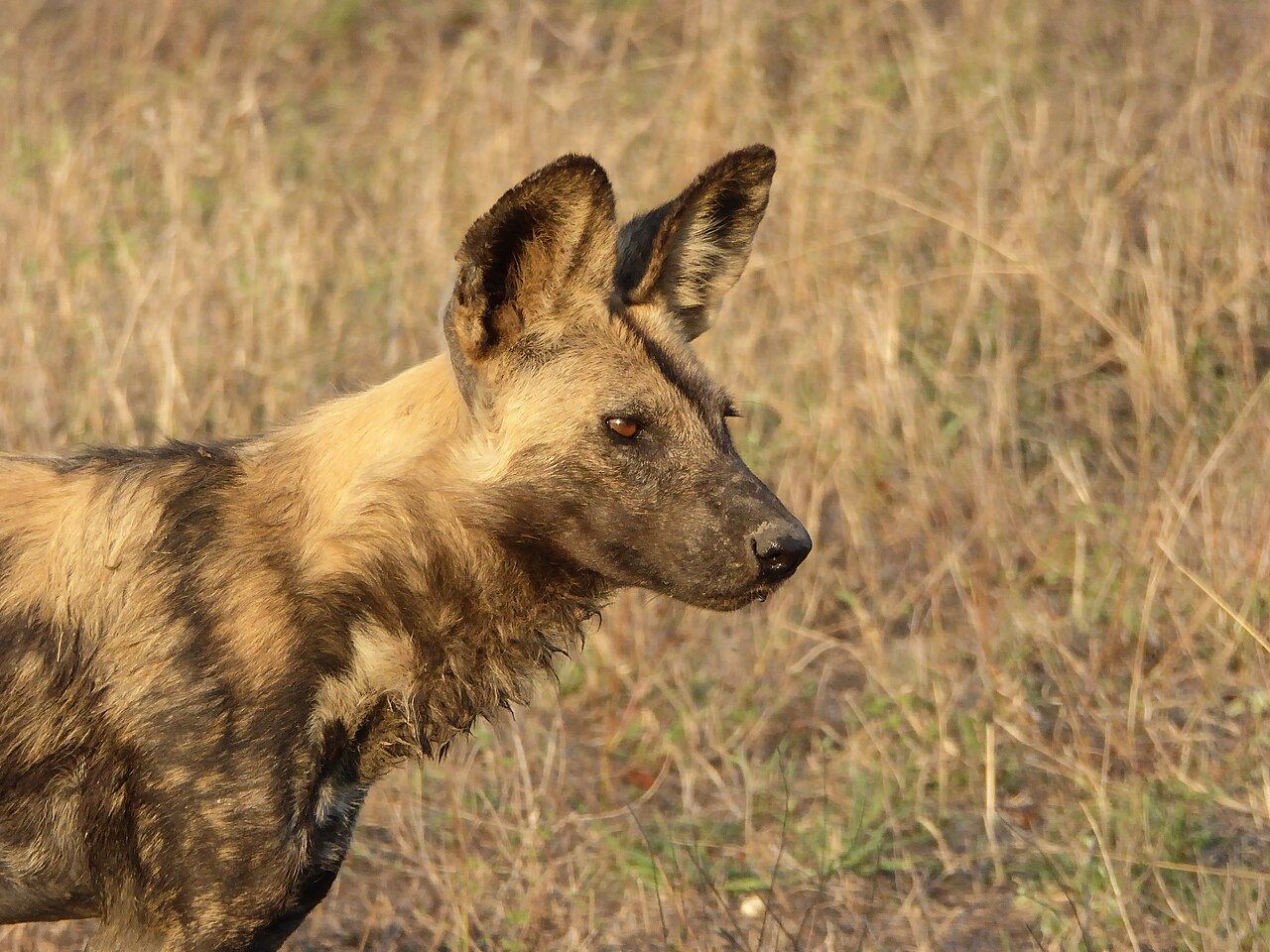
Photo: Regina Hart from Industry, United States, CC BY 2.0 African wild dog
EN · EndangeredLycaon pictus
Photo chance on Karin’s trip25 %with luck · Not always in the same reserve, denning season May to August
Where: Packs range widely across Greater Kruger.
African wild dogs hunt in packs and are highly successful at it. Only around 6,600 remain across Africa, about 1,400 of them adults.
-

Photo: Diego Delso, CC BY-SA 4.0 Black rhinoceros
CR · Critically EndangeredDiceros bicornis
Photo chance on Karin’s trip5 %with a lot of luck · Rare and usually in dense bush
Where: Very few, shy animals in the bushland of Greater Kruger.
The black rhino uses its flexible upper lip to feed on leaves and twigs. After massive poaching, its population has grown back to around 6,000 animals.
Threatened animals in South Africa
Status according to the IUCN Red List
- CR White-backed vulture Critically Endangered
- CR Black rhinoceros Critically Endangered
- EN African savanna elephant Endangered
- EN African wild dog Endangered
- VU Lion Vulnerable
- VU Southern giraffe Vulnerable
- VU Leopard Vulnerable
- VU Hippopotamus Vulnerable
- VU Southern ground hornbill Vulnerable
- VU Cheetah Vulnerable
Frequently asked questions
Which animals can you see in South Africa?
On Karin’s trip through South Africa, the best photo chances are Impala, African savanna elephant, Lion, Southern giraffe, Plains zebra and Southern yellow-billed hornbill. This page presents 18 species with their estimated photo chance.
Which animals are threatened in South Africa?
According to the IUCN Red List, the threatened species in South Africa include White-backed vulture (Critically Endangered), Black rhinoceros (Critically Endangered), African savanna elephant (Endangered), African wild dog (Endangered), Lion (Vulnerable), Southern giraffe (Vulnerable), Leopard (Vulnerable), Hippopotamus (Vulnerable), Southern ground hornbill (Vulnerable) and Cheetah (Vulnerable).
African savanna elephant: how good is the photo chance in South Africa?
On Karin’s trip the chance is estimated at about 98% (Very common in Greater Kruger). Herds throughout the reserve, in May often at waterholes.
Other countries
The photo chance is an estimate for Karin’s route and travel season, based on published sighting information from parks and safari operators. Wild animals keep to no schedule, so there is no guarantee. Conservation status follows the IUCN Red List.
South Africa safari, 23 to 31 May 2027 · View the trip →