Wildlife in Kenya
With the Masai Mara, Kenya protects the northern part of the Serengeti Mara ecosystem, which the wildebeest herds usually enter between July and October. Lake Nakuru National Park is a fenced sanctuary for black and white rhinos, and Amboseli is home to some of the longest-studied elephant families in Africa.
- 18 species
- 10 threatened
- Kenya safari, 17 to 26 Oct 2027 →
Wildlife in Kenya
-
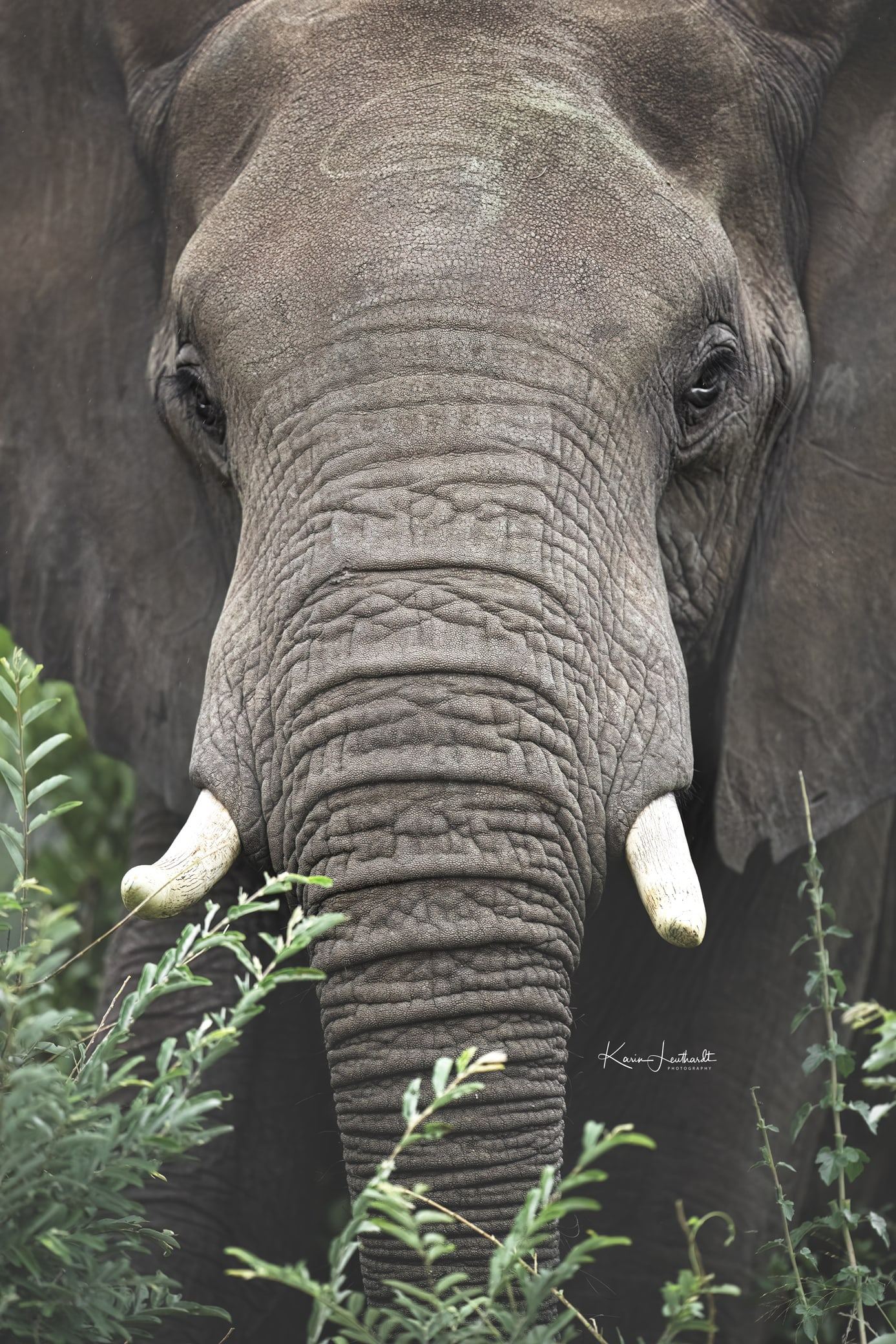
African savanna elephant
EN · EndangeredLoxodonta africana
Photo chance on Karin’s trip99 %very likely · Amboseli is known for its elephants
Where: Large herds in Amboseli in front of Kilimanjaro, also in the Masai Mara.
The African savanna elephant is the largest living land animal. Since 2021 the IUCN has assessed the savanna elephant and the forest elephant as separate species.
-

Plains zebra
NT · Near ThreatenedEquus quagga
Photo chance on Karin’s trip99 %very likely · Common in all three areas
Where: In the Masai Mara, at Lake Nakuru and in Amboseli.
Every plains zebra has its own stripe pattern. In the Serengeti, zebras migrate together with the wildebeest.
-
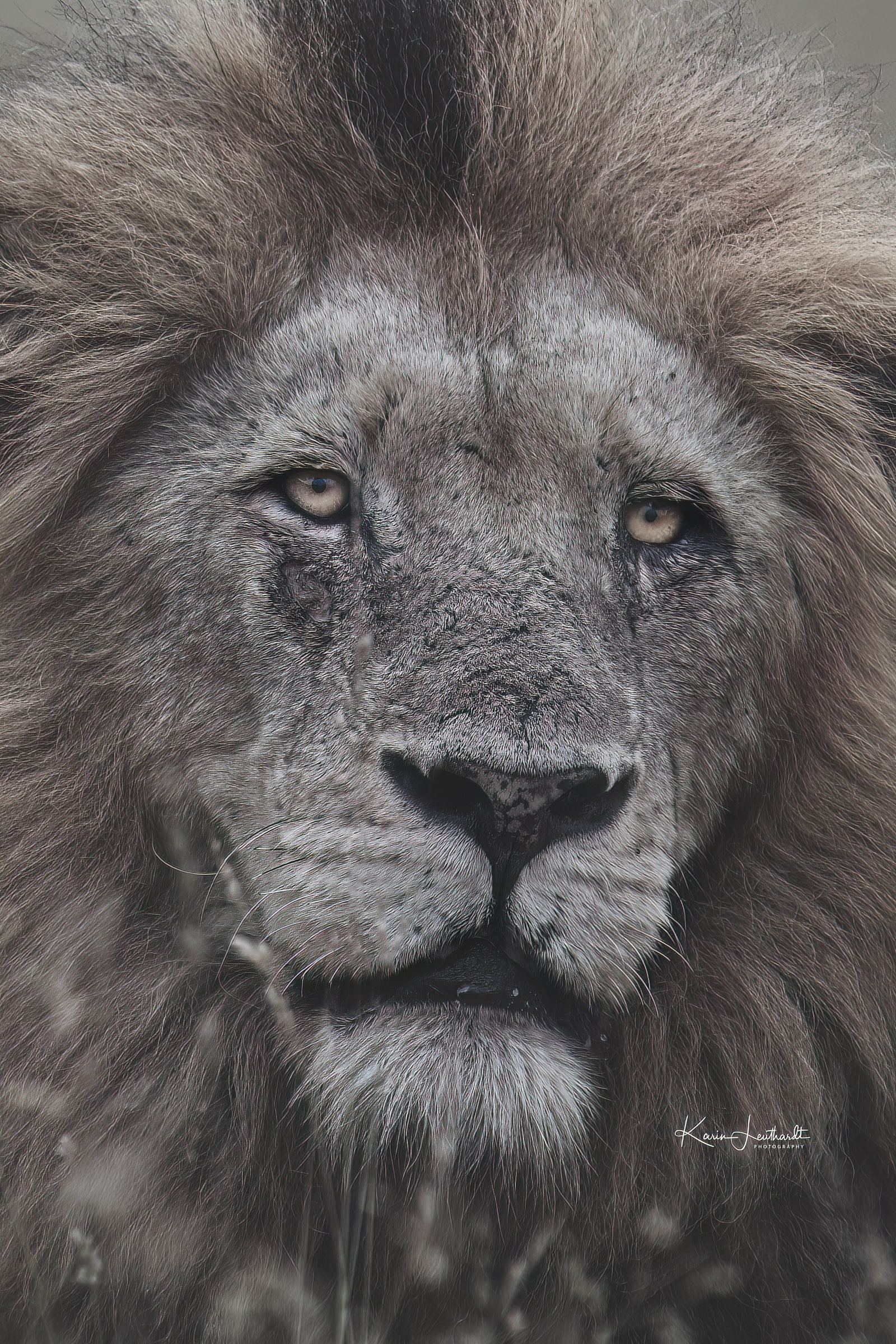
Lion
VU · VulnerablePanthera leo
Photo chance on Karin’s trip98 %very likely · Very high lion density in the Mara, 6 nights
Where: Daily in the Masai Mara, also possible at Lake Nakuru.
Lions are the only cats that live in prides. Estimates suggest only around 20,000 to 25,000 remain in Africa.
-
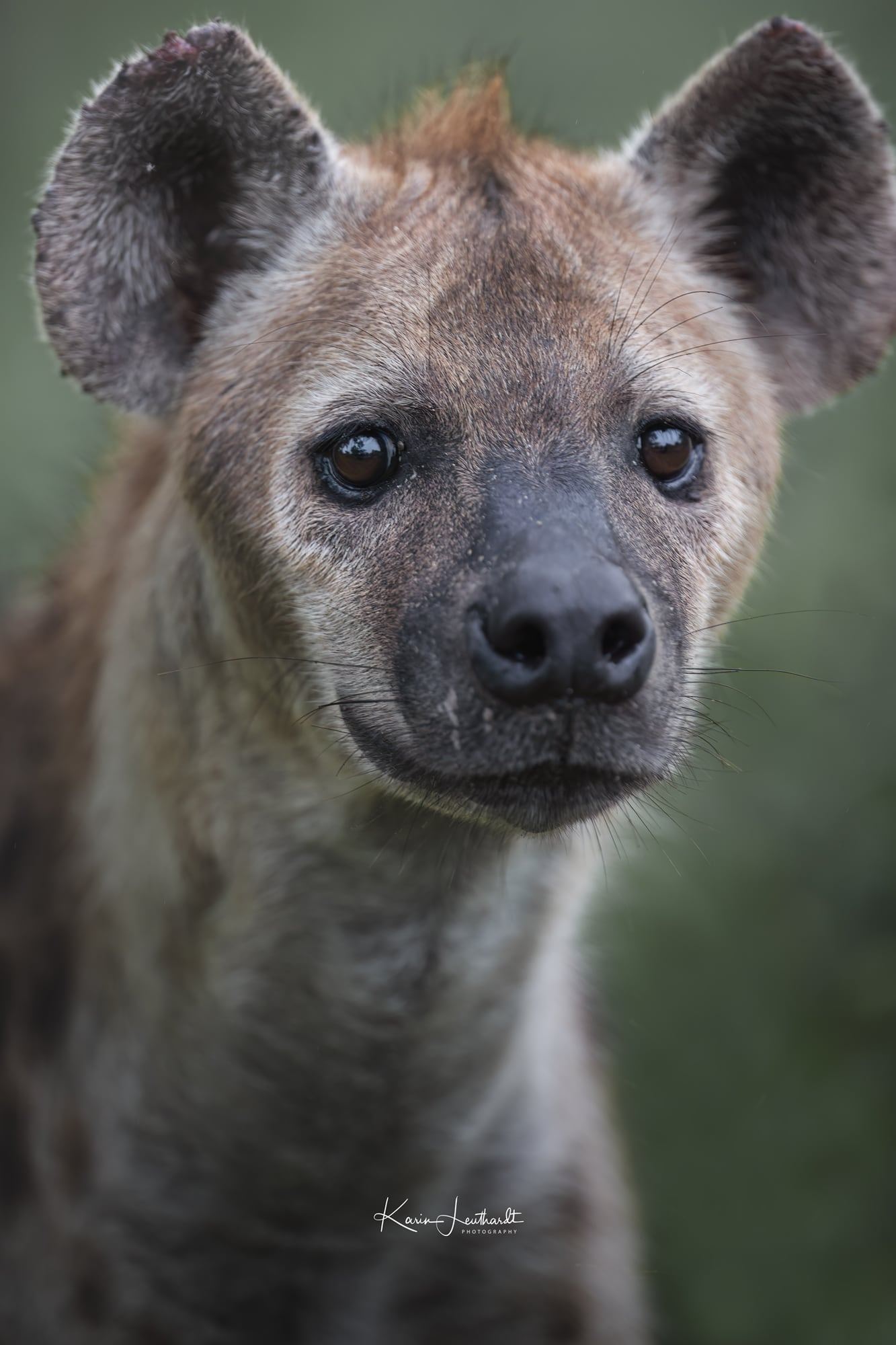
Spotted hyena
LC · Least ConcernCrocuta crocuta
Photo chance on Karin’s trip98 %very likely · Very common
Where: Everywhere in the Masai Mara, also in Amboseli.
Spotted hyenas live in clans led by females. They catch most of their food themselves and are by no means just scavengers.
-
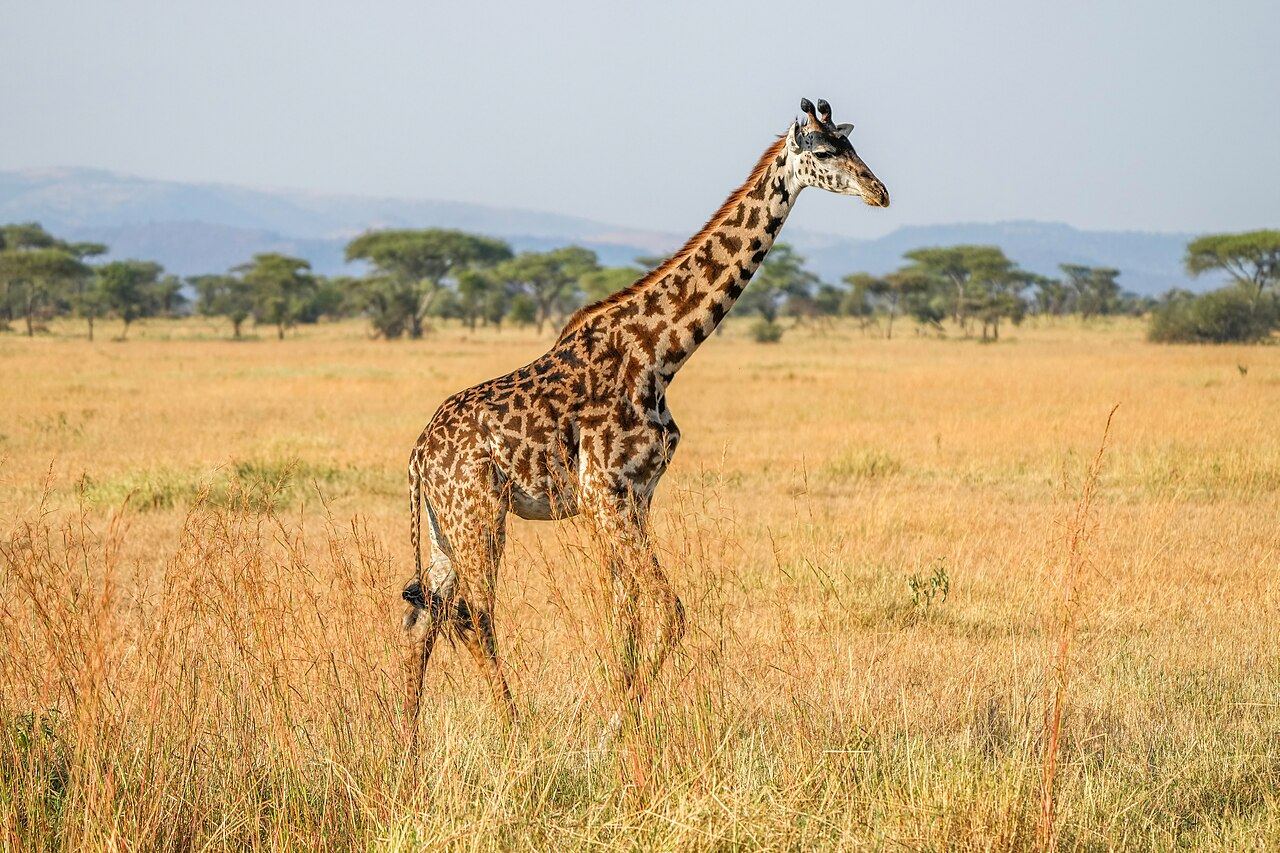
Photo: Giles Laurent, CC BY-SA 4.0 Masai giraffe
EN · EndangeredGiraffa tippelskirchi
Photo chance on Karin’s trip98 %very likely · Common in the Mara and Amboseli
Where: In the Masai Mara and in Amboseli.
The Masai giraffe is recognisable by its jagged, vine-leaf-shaped patches. Since 2025 the IUCN has recognised four giraffe species, and the Masai giraffe is one of them.
-
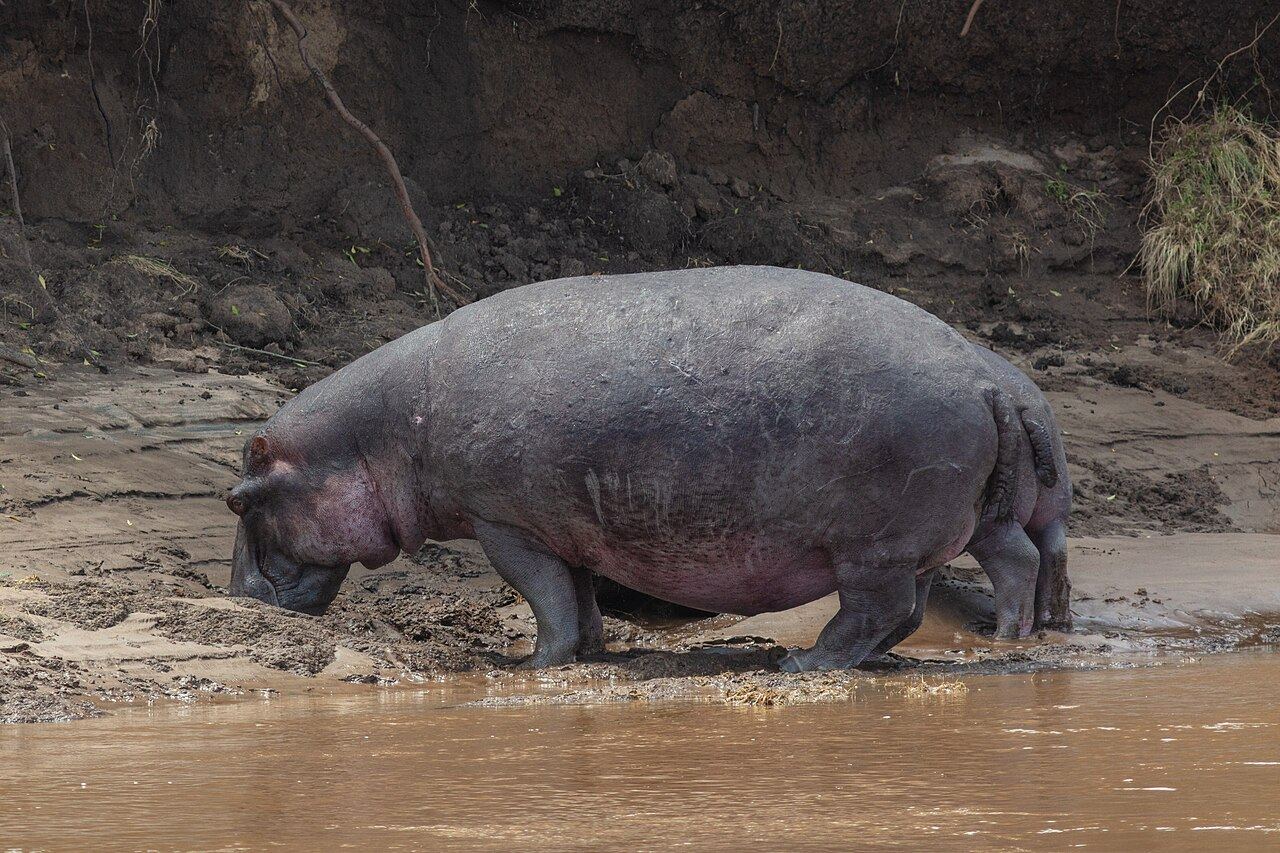
Photo: Diego Delso, CC BY-SA 4.0 Hippopotamus
VU · VulnerableHippopotamus amphibius
Photo chance on Karin’s trip97 %very likely · Hippo pools on the Mara River
Where: In the Mara River and in the swamps of Amboseli.
Hippos spend the day in the water and come ashore at night to graze. Bulls often weigh well over a tonne.
-

African buffalo
NT · Near ThreatenedSyncerus caffer
Photo chance on Karin’s trip95 %very likely · Common in all three areas
Where: In the Masai Mara, at Lake Nakuru and in the swamps of Amboseli.
African buffalo live in herds that can number several hundred animals. They are one of the Big Five and can even defend themselves against lions.
-
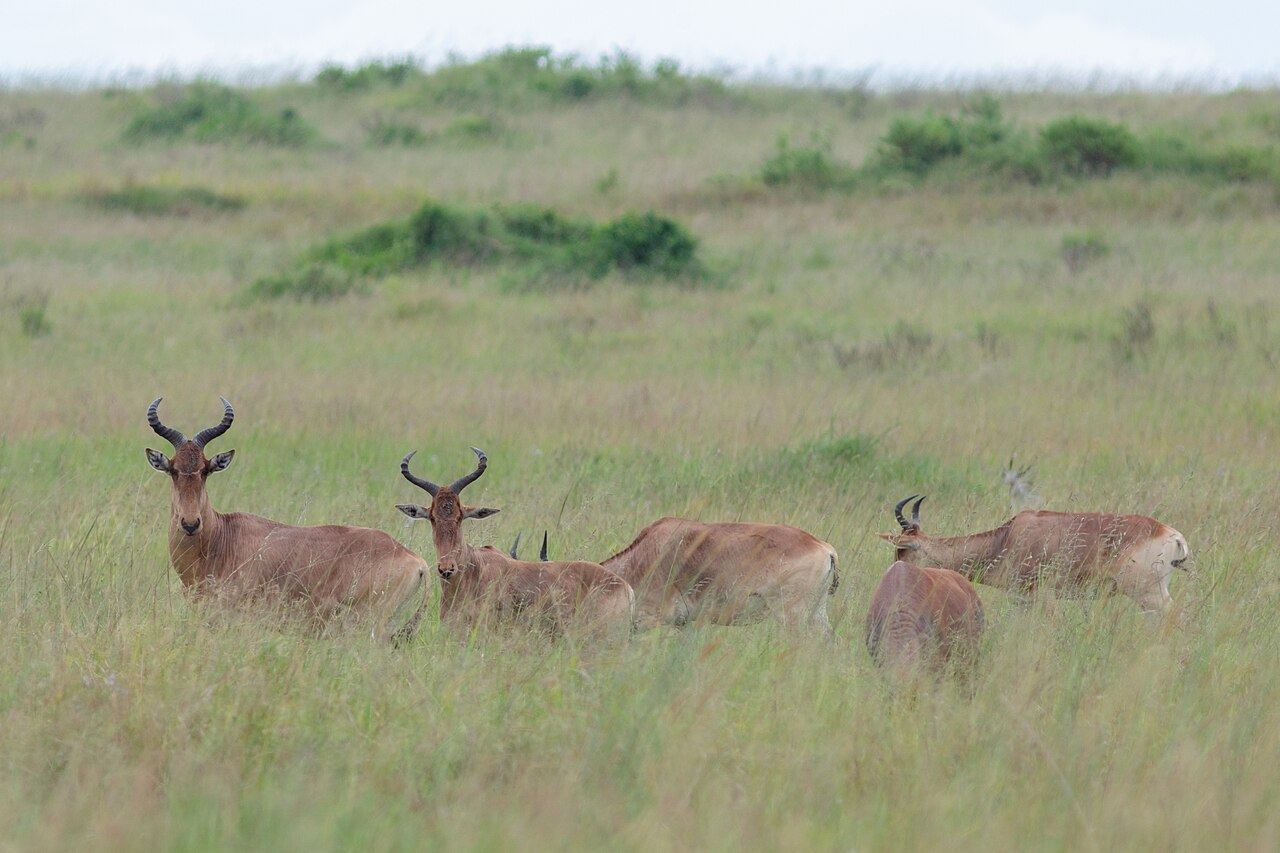
Photo: Diego Delso, CC BY-SA 4.0 Topi
VU · VulnerableDamaliscus lunatus jimela
Photo chance on Karin’s trip95 %very likely · Typical antelope of the Mara
Where: On the plains of the Masai Mara, often on termite mounds.
Topis like to stand on termite mounds to watch out for predators. Their population in the Masai Mara has declined markedly since the 1970s.
-

Photo: Esin Üstün from Istanbul, Turkey, CC BY 2.0 Rothschild's giraffe
NT · Near ThreatenedGiraffa camelopardalis (Rothschild-Ökotyp der Nubischen Giraffe)
Photo chance on Karin’s trip90 %very likely · Introduced population easy to see in Nakuru
Where: In the acacia woodlands of Lake Nakuru National Park.
Rothschild’s giraffes have no patches below the knees, so their legs look as if they are wearing white socks. A population was introduced to Lake Nakuru National Park for their protection.
-
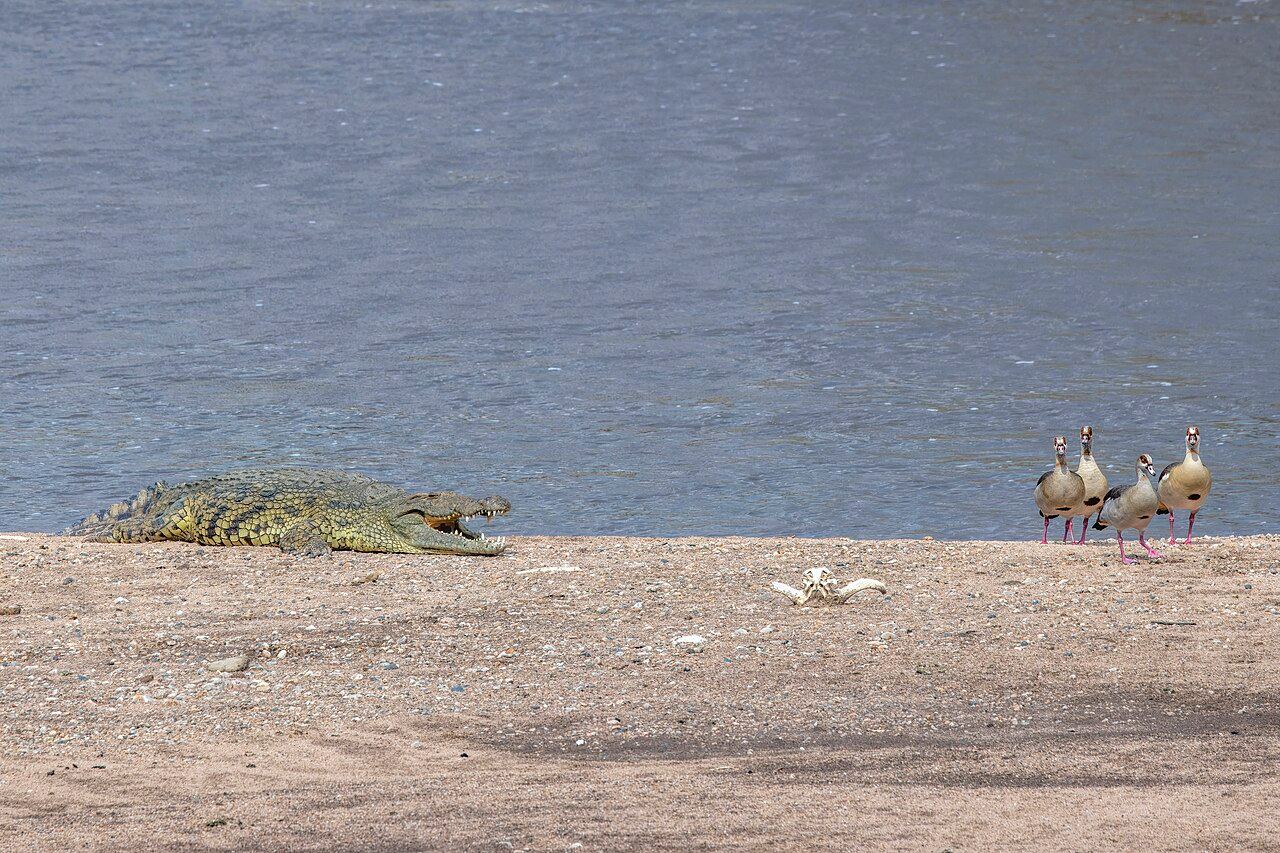
Photo: Charles J. Sharp, CC BY-SA 4.0 Nile crocodile
LC · Least ConcernCrocodylus niloticus
Photo chance on Karin’s trip90 %very likely · Large crocodiles at the crossing points
Where: On the Mara River.
Nile crocodiles can grow to more than five metres long. In the Mara River they lie in wait for wildebeest and zebras crossing the river.
-
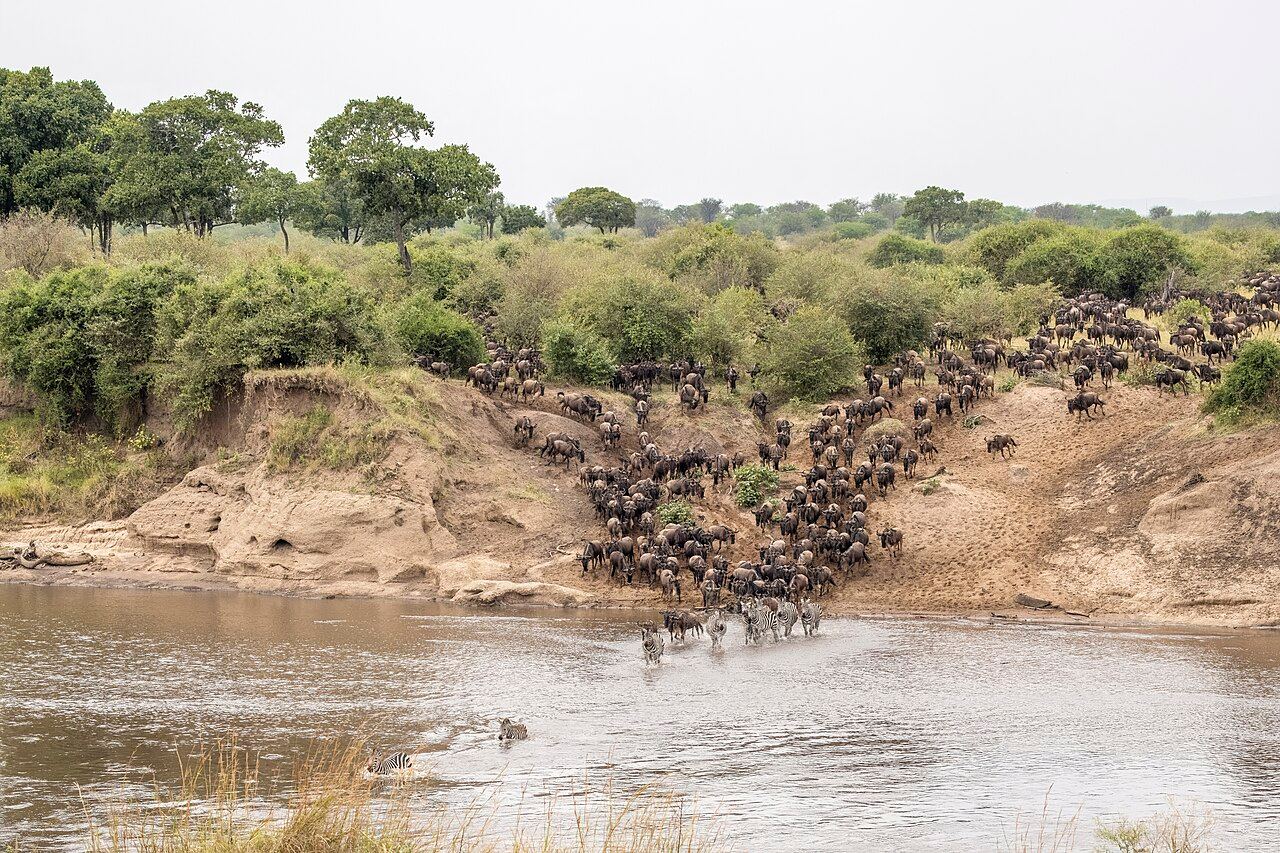
Photo: Charles J. Sharp, CC BY-SA 4.0 Blue wildebeest
LC · Least ConcernConnochaetes taurinus
Photo chance on Karin’s trip90 %very likely · By late October some herds are already moving south
Where: In the Masai Mara, in October often still with the herds of the Great Migration.
Every year around 1.3 million wildebeest move in a great circle through the Serengeti Mara ecosystem. In February, hundreds of thousands of calves are born in the southern Serengeti within just a few weeks.
-
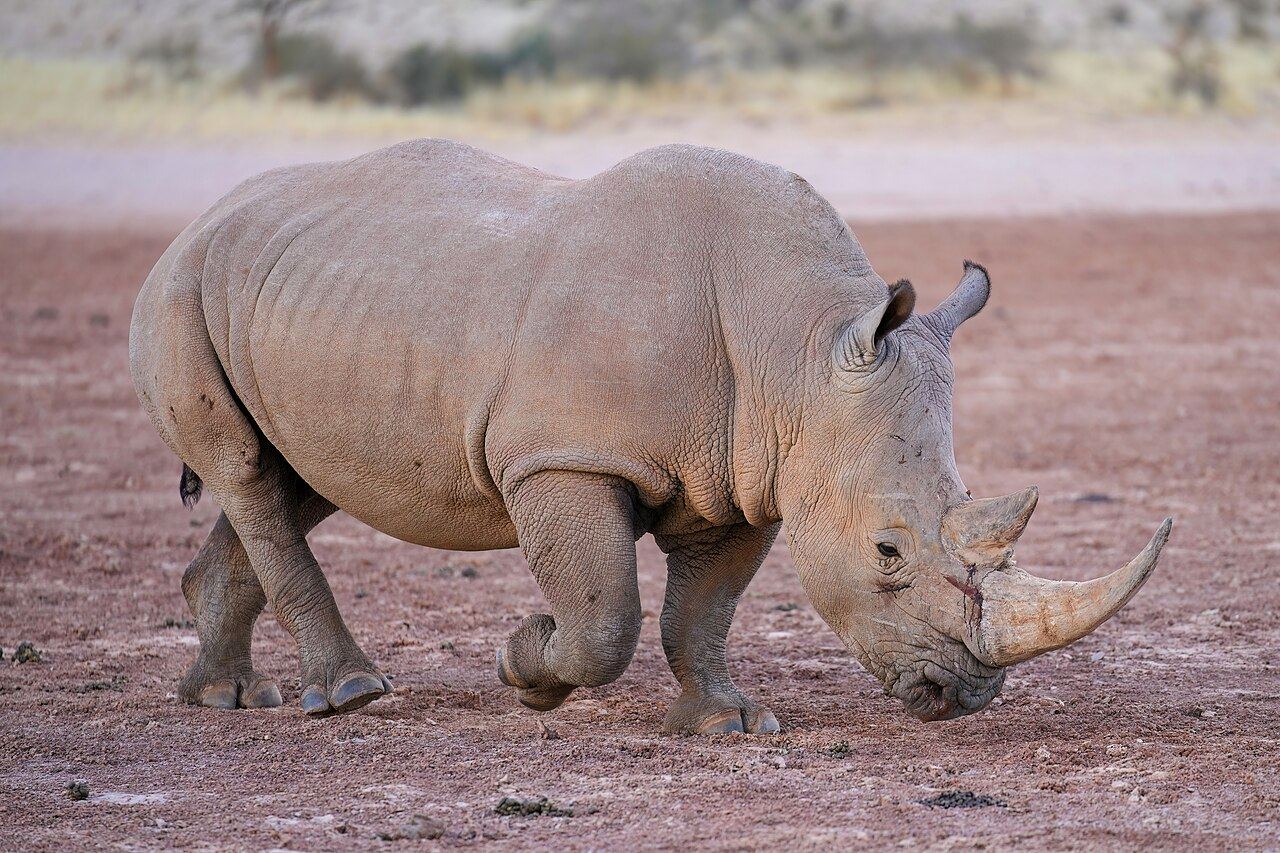
Photo: Giles Laurent, CC BY-SA 4.0 White rhinoceros
NT · Near ThreatenedCeratotherium simum
Photo chance on Karin’s trip85 %very likely · Nakuru is considered a reliable place for white rhinos
Where: In Lake Nakuru National Park, often in the open grassland on the lake shore.
The white rhino is a grazer with a broad, square mouth. Most of the world’s population lives in South Africa, where poaching has greatly reduced numbers in the Kruger area.
-
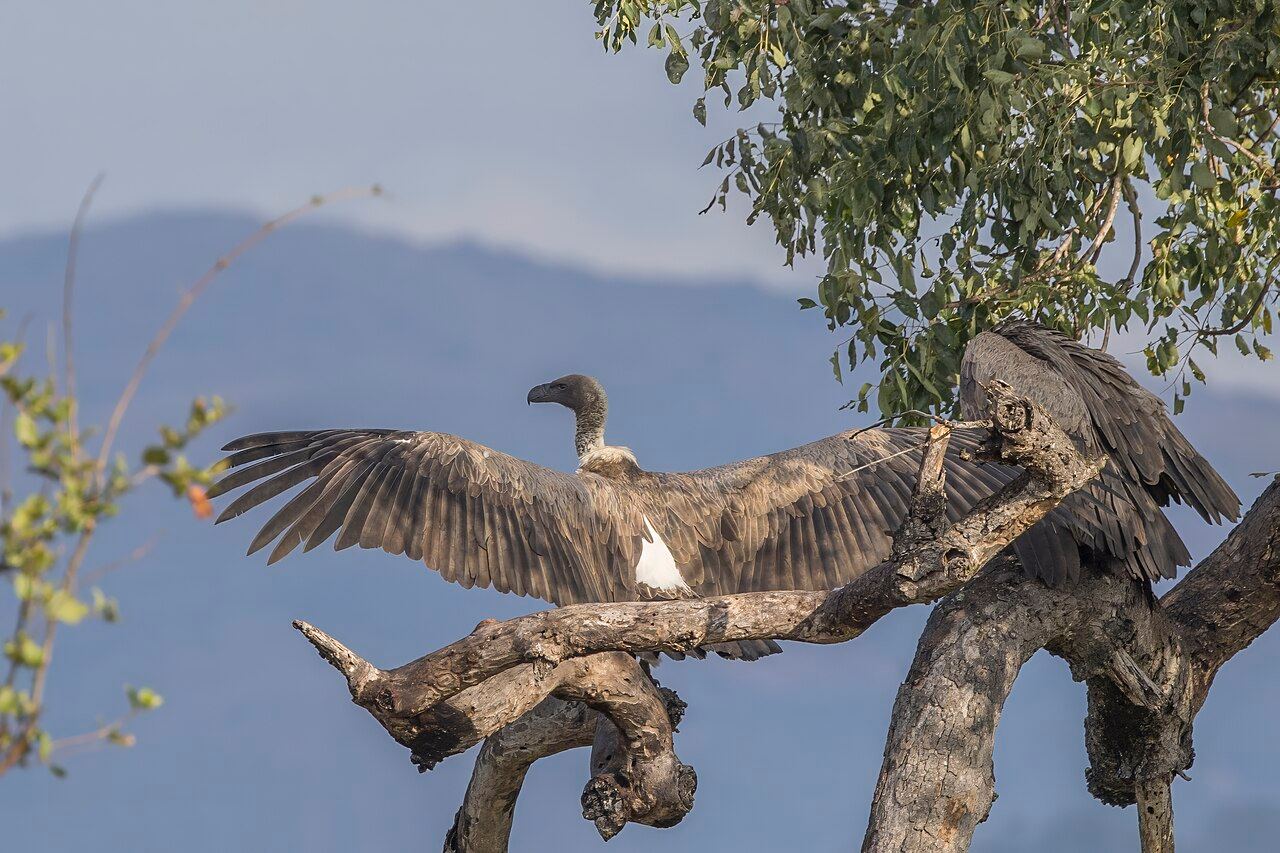
Photo: Charles J. Sharp, CC BY-SA 4.0 White-backed vulture
CR · Critically EndangeredGyps africanus
Photo chance on Karin’s trip85 %very likely · Most common vulture at carcasses in the Mara
Where: At kills in the Masai Mara.
White-backed vultures are often the most numerous vultures at carcasses. Poisoning above all has caused their population to crash by around 90 percent in three generations.
-
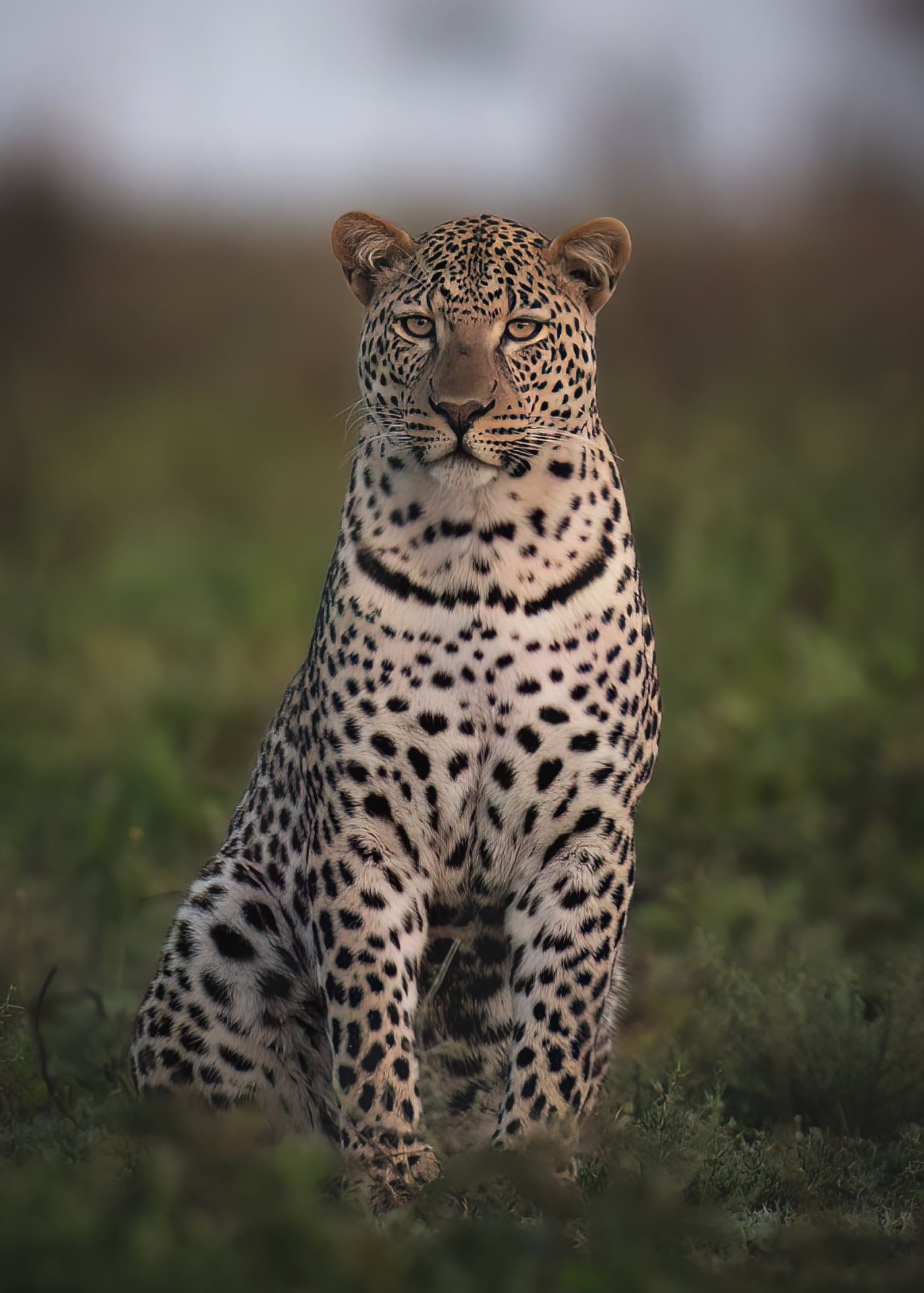
Leopard
VU · VulnerablePanthera pardus
Photo chance on Karin’s trip80 %very likely · 6 days in the Mara with full-day game drives
Where: In the riverine forests and lugga gullies of the Masai Mara, also at Lake Nakuru.
Leopards usually hunt alone at dusk and at night. They often drag larger prey up into trees to keep it safe from lions and hyenas.
-
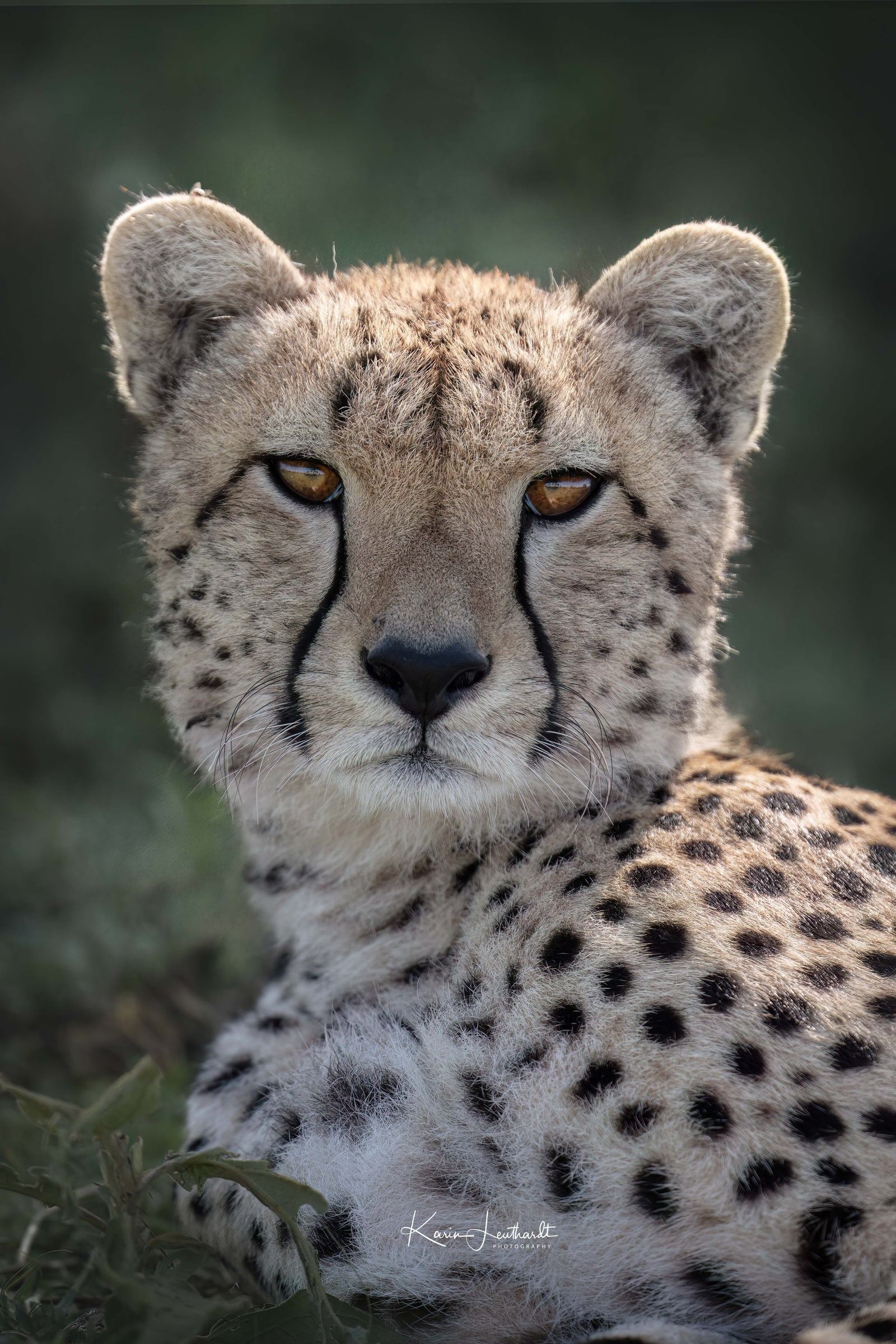
Cheetah
VU · VulnerableAcinonyx jubatus
Photo chance on Karin’s trip80 %very likely · The Mara has a well-monitored cheetah population
Where: On the open plains of the Masai Mara.
In a sprint the cheetah reaches over 100 km/h, and it hunts mostly by day. Only around 7,000 adults remain across Africa.
-
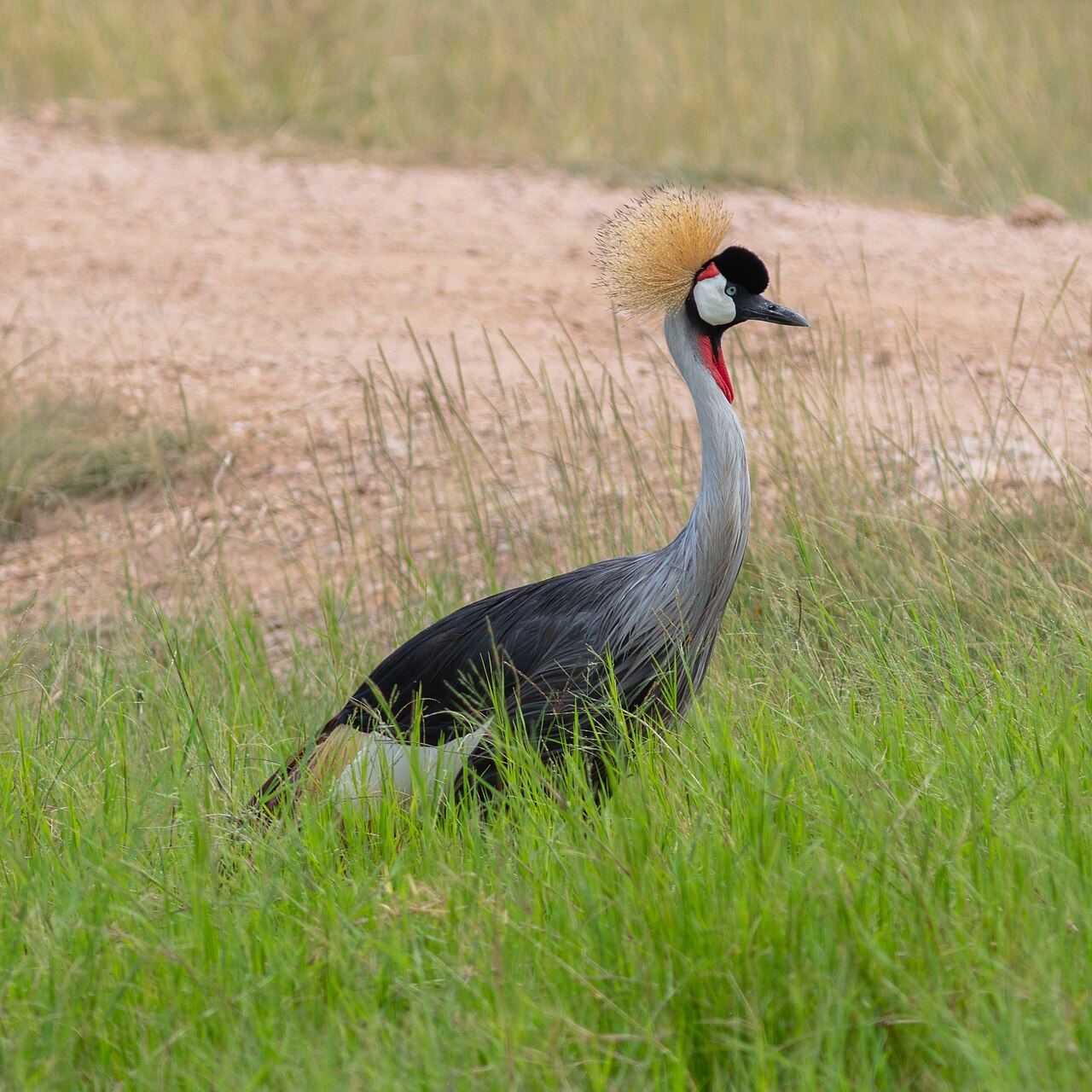
Photo: Diego Delso, CC BY-SA 4.0 Grey crowned crane
EN · EndangeredBalearica regulorum
Photo chance on Karin’s trip75 %quite likely · Regular at the swamps in Amboseli
Where: In the swamps of Amboseli and in the Masai Mara.
The grey crowned crane is Uganda’s national bird. The loss of wetlands has caused its population to decline sharply.
-

Photo: Diego Delso, CC BY-SA 4.0 Black rhinoceros
CR · Critically EndangeredDiceros bicornis
Photo chance on Karin’s trip45 %with luck · Present in Nakuru, but shyer in the bush
Where: In Lake Nakuru National Park, less often in the Masai Mara.
The black rhino uses its flexible upper lip to feed on leaves and twigs. After massive poaching, its population has grown back to around 6,000 animals.
-
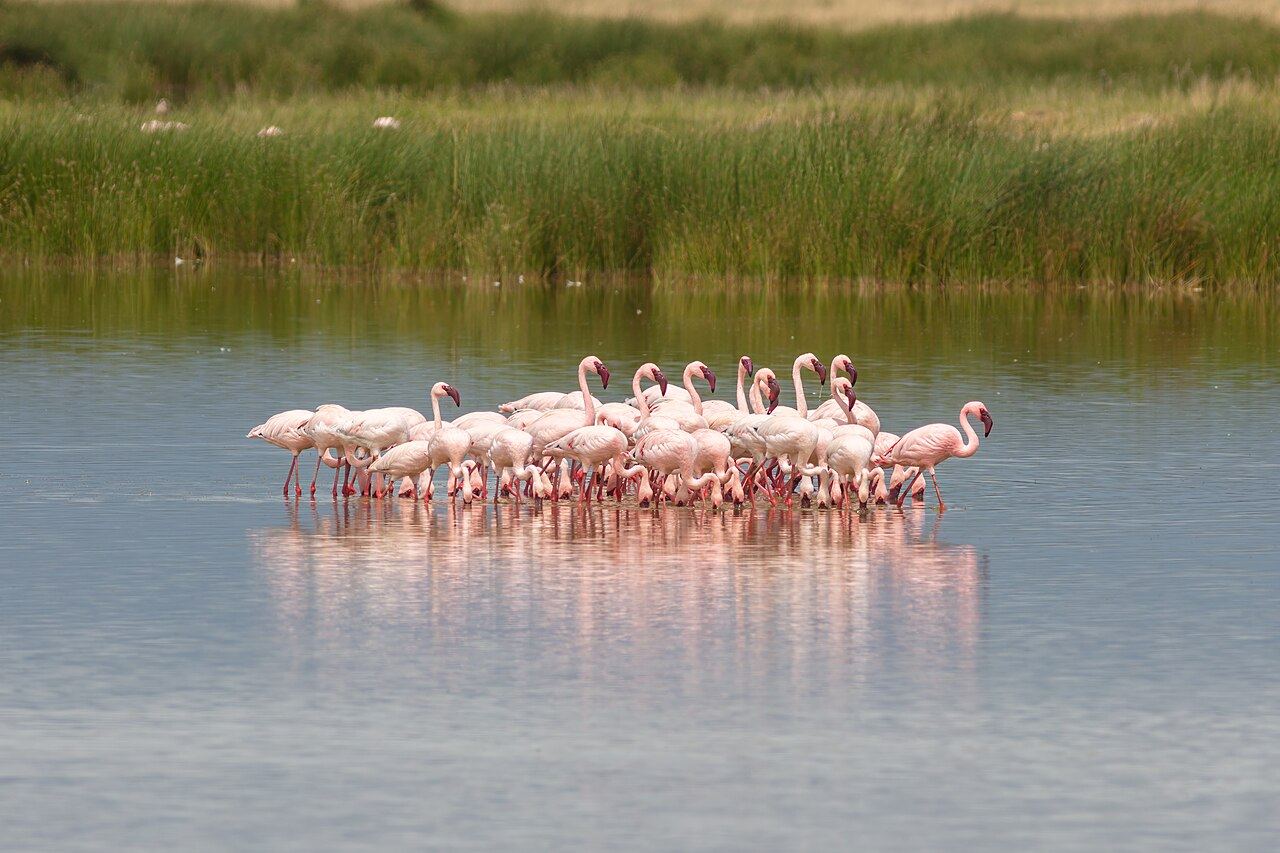
Photo: Diego Delso, CC BY-SA 4.0 Lesser flamingo
NT · Near ThreatenedPhoeniconaias minor
Photo chance on Karin’s trip20 %with luck · Only around 500 flamingos counted at Lake Nakuru in 2025
Where: At Lake Nakuru, and in Amboseli depending on the water level.
Lesser flamingos filter blue-green algae from salt lakes. Because the water level of Lake Nakuru has risen sharply, the large flocks have become rare there.
Threatened animals in Kenya
Status according to the IUCN Red List
- CR White-backed vulture Critically Endangered
- CR Black rhinoceros Critically Endangered
- EN African savanna elephant Endangered
- EN Masai giraffe Endangered
- EN Grey crowned crane Endangered
- VU Lion Vulnerable
- VU Hippopotamus Vulnerable
- VU Topi Vulnerable
- VU Leopard Vulnerable
- VU Cheetah Vulnerable
Frequently asked questions
Which animals can you see in Kenya?
On Karin’s trip through Kenya, the best photo chances are African savanna elephant, Plains zebra, Lion, Spotted hyena, Masai giraffe and Hippopotamus. This page presents 18 species with their estimated photo chance.
Which animals are threatened in Kenya?
According to the IUCN Red List, the threatened species in Kenya include White-backed vulture (Critically Endangered), Black rhinoceros (Critically Endangered), African savanna elephant (Endangered), Masai giraffe (Endangered), Grey crowned crane (Endangered), Lion (Vulnerable), Hippopotamus (Vulnerable), Topi (Vulnerable), Leopard (Vulnerable) and Cheetah (Vulnerable).
African savanna elephant: how good is the photo chance in Kenya?
On Karin’s trip the chance is estimated at about 99% (Amboseli is known for its elephants). Large herds in Amboseli in front of Kilimanjaro, also in the Masai Mara.
Other countries
The photo chance is an estimate for Karin’s route and travel season, based on published sighting information from parks and safari operators. Wild animals keep to no schedule, so there is no guarantee. Conservation status follows the IUCN Red List.
Kenya safari, 17 to 26 Oct 2027 · View the trip →