In short
Uganda brings two worlds together: rainforests with mountain gorillas, chimpanzees and golden monkeys, and open savannahs with elephants, lions, leopards, giraffes and hippos. On top of that there are over 1,000 bird species, among them the shoebill. The best time to travel is during the dry seasons from December to February and from June to September. Gorilla trekking is possible all year round.
- Dry season
- Transition
- Rainy season
- Good months for gorilla trekking
Uganda, as told by Karin
Where Africa’s wild heart beats
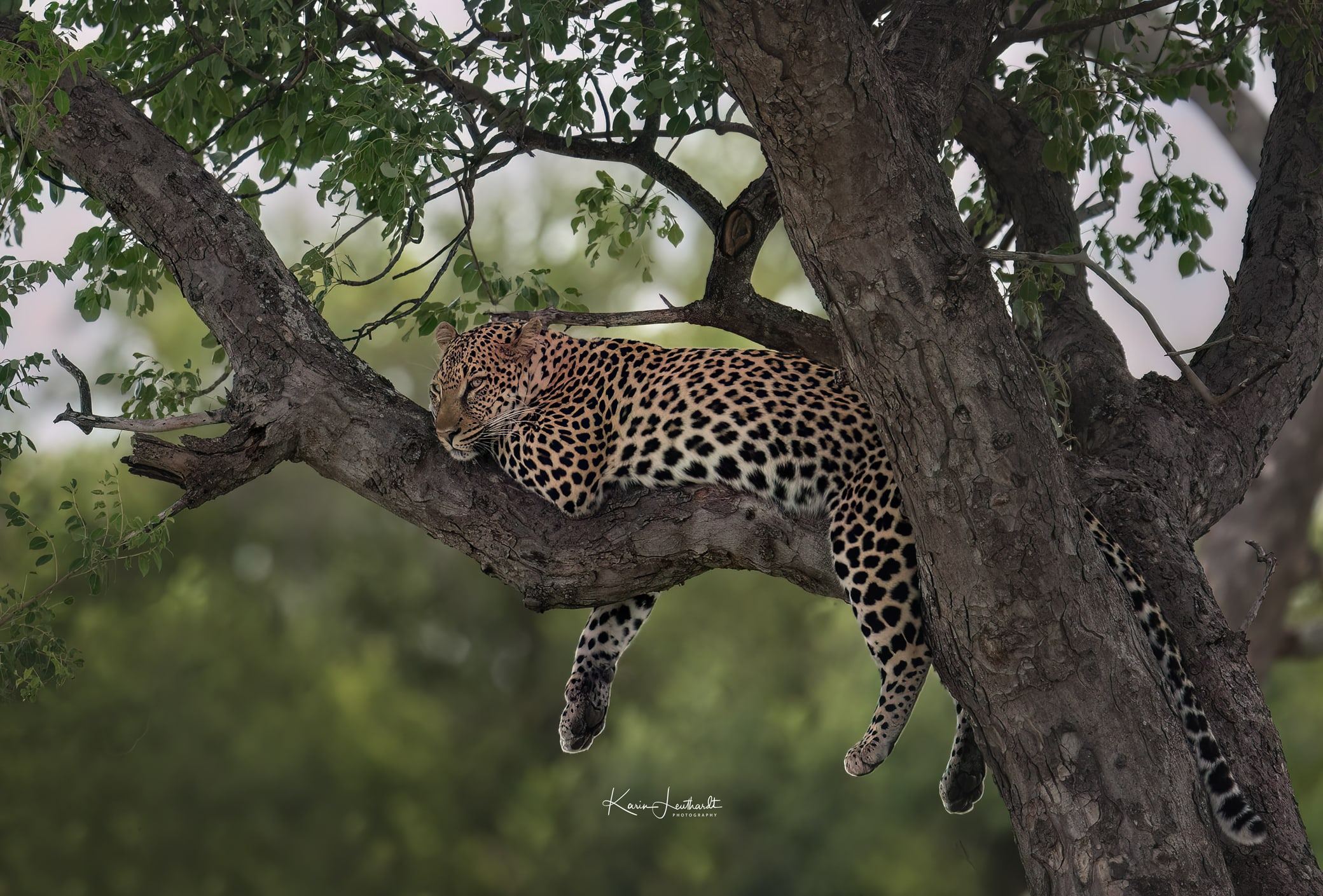
Leopard in a tree. Photo: Karin Leuthardt
Uganda is a country that casts a spell. Mysterious rainforests, endless savannahs, mighty rivers and fascinating wildlife make it one of the most extraordinary destinations in Africa.
Here you can meet mountain gorillas and chimpanzees in their natural surroundings, watch herds of elephants, discover lions up in the trees and, with a little luck, catch sight of the elusive leopard.
Uganda owes its nickname, the “Pearl of Africa”, to Winston Churchill, who travelled through the country at the beginning of the 20th century. It still fits today: in a comparatively small area you will find montane rainforest, savannah, swamps, crater lakes and the Nile.
Gorilla trekking Uganda
Mountain gorillas, chimpanzees and golden monkeys
Mountain gorillas live only in the mountain forests where Uganda, Rwanda and the Democratic Republic of the Congo meet. In Uganda you visit them in Bwindi Impenetrable National Park and in Mgahinga National Park. Around half of all mountain gorillas live in the Bwindi forest.
A gorilla trek begins in the morning with a briefing by the rangers. You then set off on foot through the forest, for one to several hours depending on where the gorilla family is, often on steep, narrow paths. Once with the gorillas, the small group stays for one hour. Every trek requires a gorilla permit, and the minimum age is 15.
Chimpanzees are seen above all in Kibale National Park, where several groups are habituated to people. The bamboo forests of Mgahinga National Park are home to golden monkeys, a rare species with a golden back.

Uganda safari
Savannah, rivers and lions in the trees
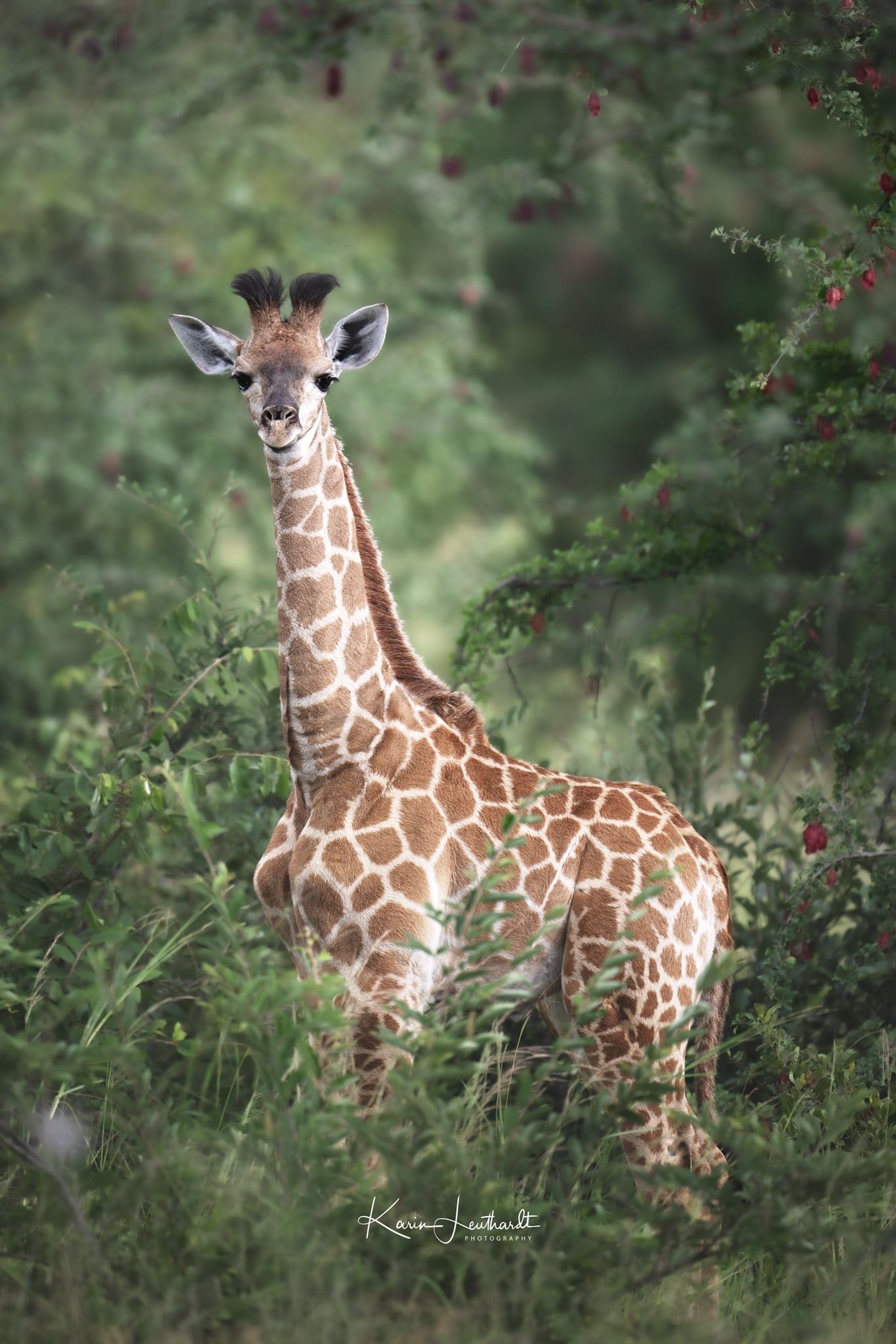
Golden monkeys, rhinos, giraffes, zebras, hippos and countless other species make every safari something special. And Uganda is much more than rainforest: in the west and north of the country lie wide savannahs with large numbers of animals.
Queen Elizabeth National Park
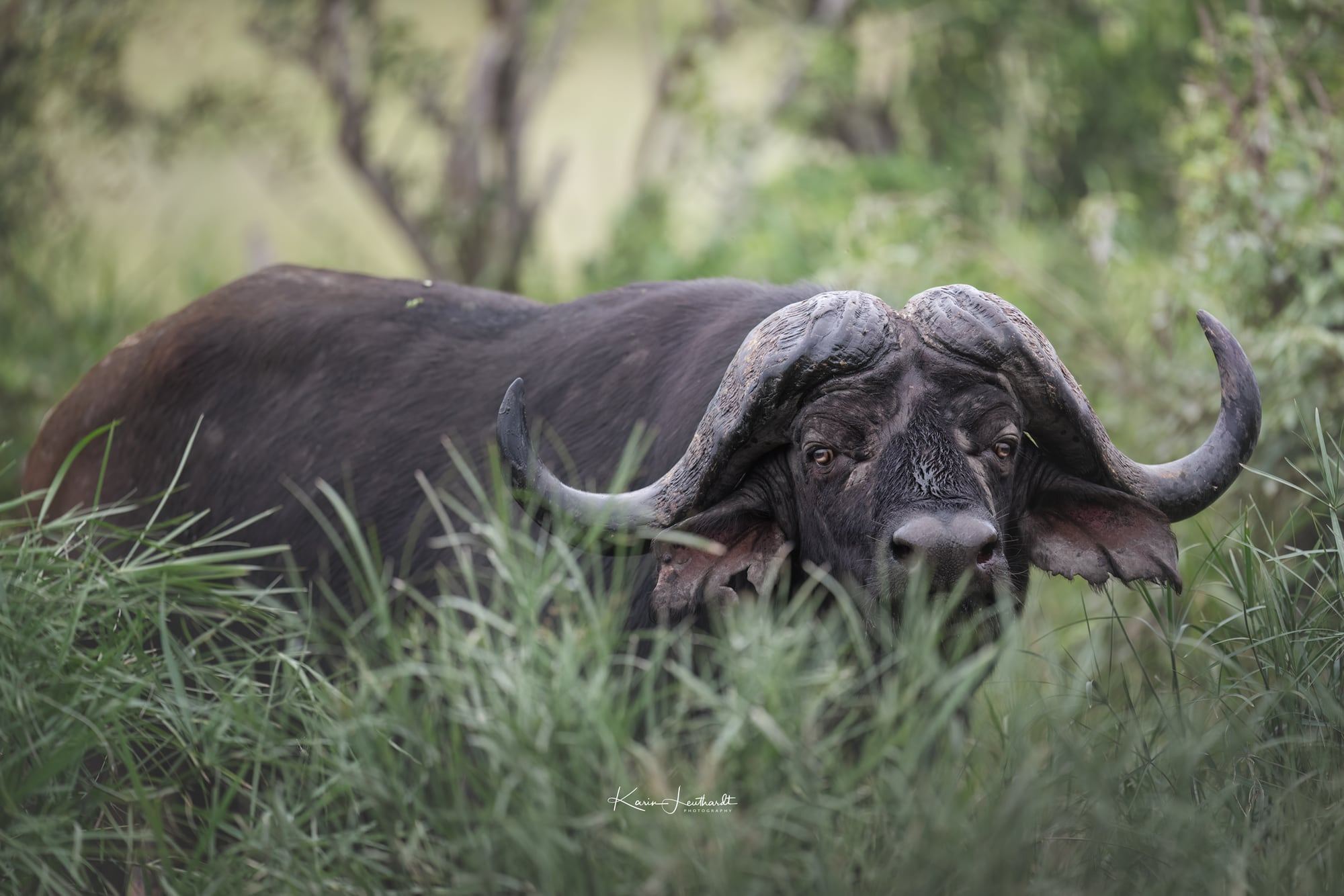
In the Ishasha sector, lions rest in the branches of large fig trees. On a boat trip along the Kazinga Channel you can see hippos, buffalo, elephants and many water birds.
Murchison Falls National Park
Uganda’s largest national park. Here the Nile forces its way through a gap in the rock just a few metres wide. Giraffes, elephants, lions and antelopes live on the savannah.
Ziwa Rhino Sanctuary
The only protected area in Uganda with white rhinos. Accompanied by rangers, you can approach the animals on foot.
Uganda wildlife: birds
Over 1,000 bird species and the shoebill
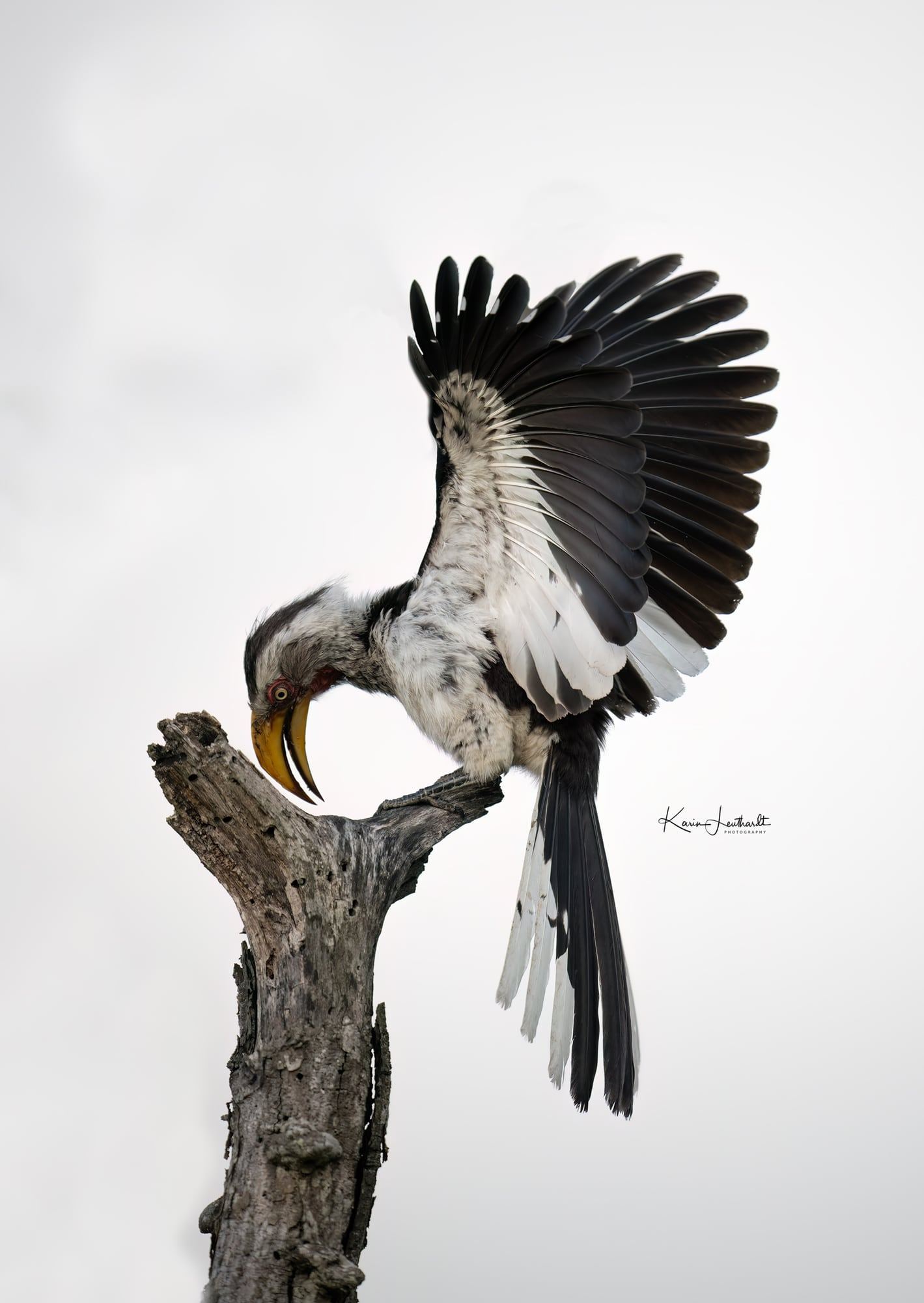
With over 1,000 bird species, Uganda is a true paradise for bird lovers and wildlife photographers.
And then there is the legendary shoebill, one of the most extraordinary birds in Africa. It grows to over a metre tall and often stands motionless in the papyrus for a long time, waiting for lungfish. A boat trip through the Mabamba Swamp on Lake Victoria, not far from Entebbe, gives you a good chance of seeing one.
The grey crowned crane is Uganda’s national bird and appears on the country’s flag.


Beyond the safari
Uganda’s secrets
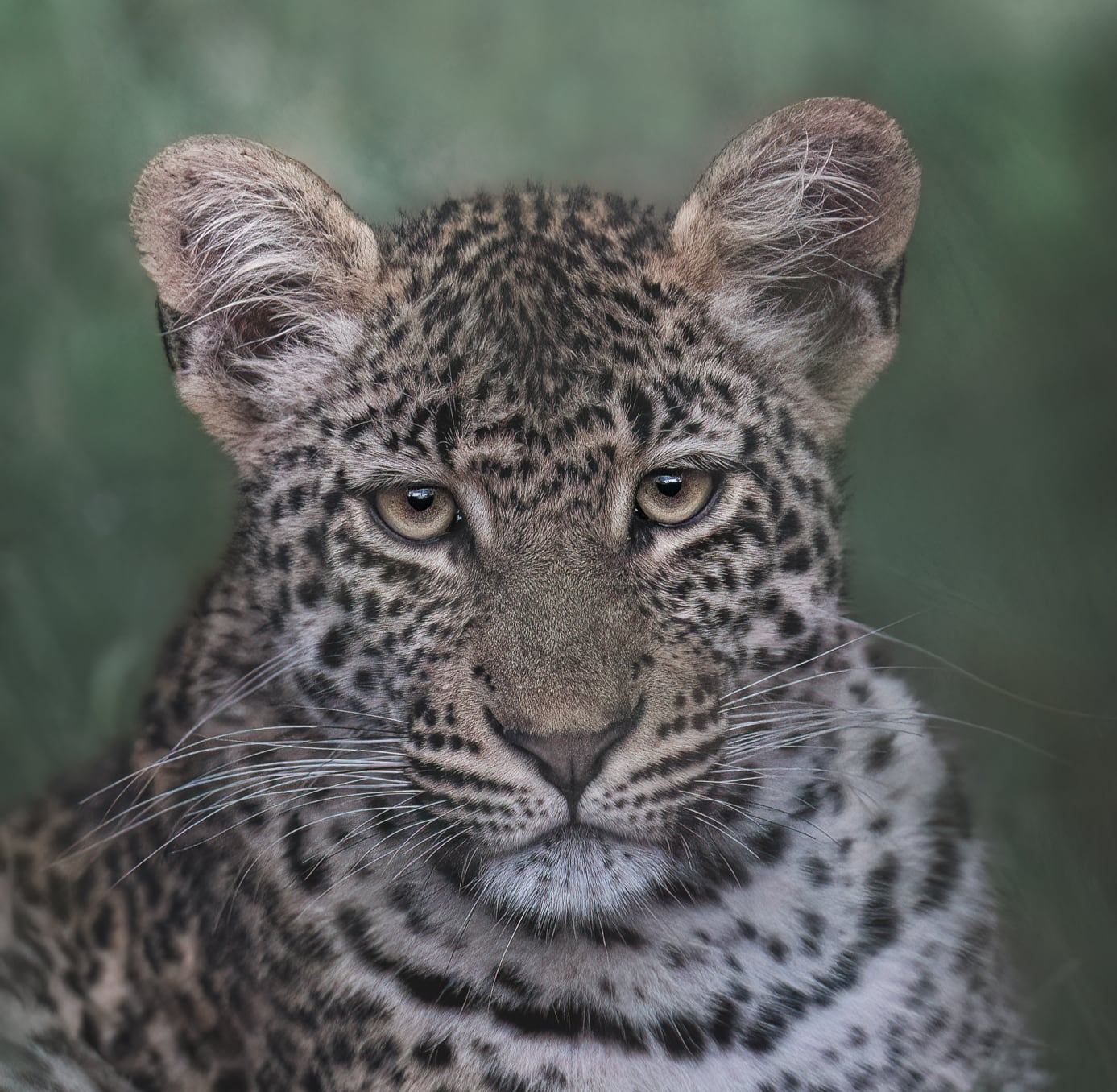
Leopard in the tall grass. Photo: Karin Leuthardt
Yet Uganda still holds many secrets. Away from the well-known safari experiences lies a fascinating world of rare and shy animals.
African golden cats, pangolins, sitatungas and impressive giant forest hogs are among the country’s more unusual inhabitants. Most of them are nocturnal or live hidden in dense vegetation. Anyone who sees one of these animals experiences a rare moment.
Endangered species
A refuge for endangered animals
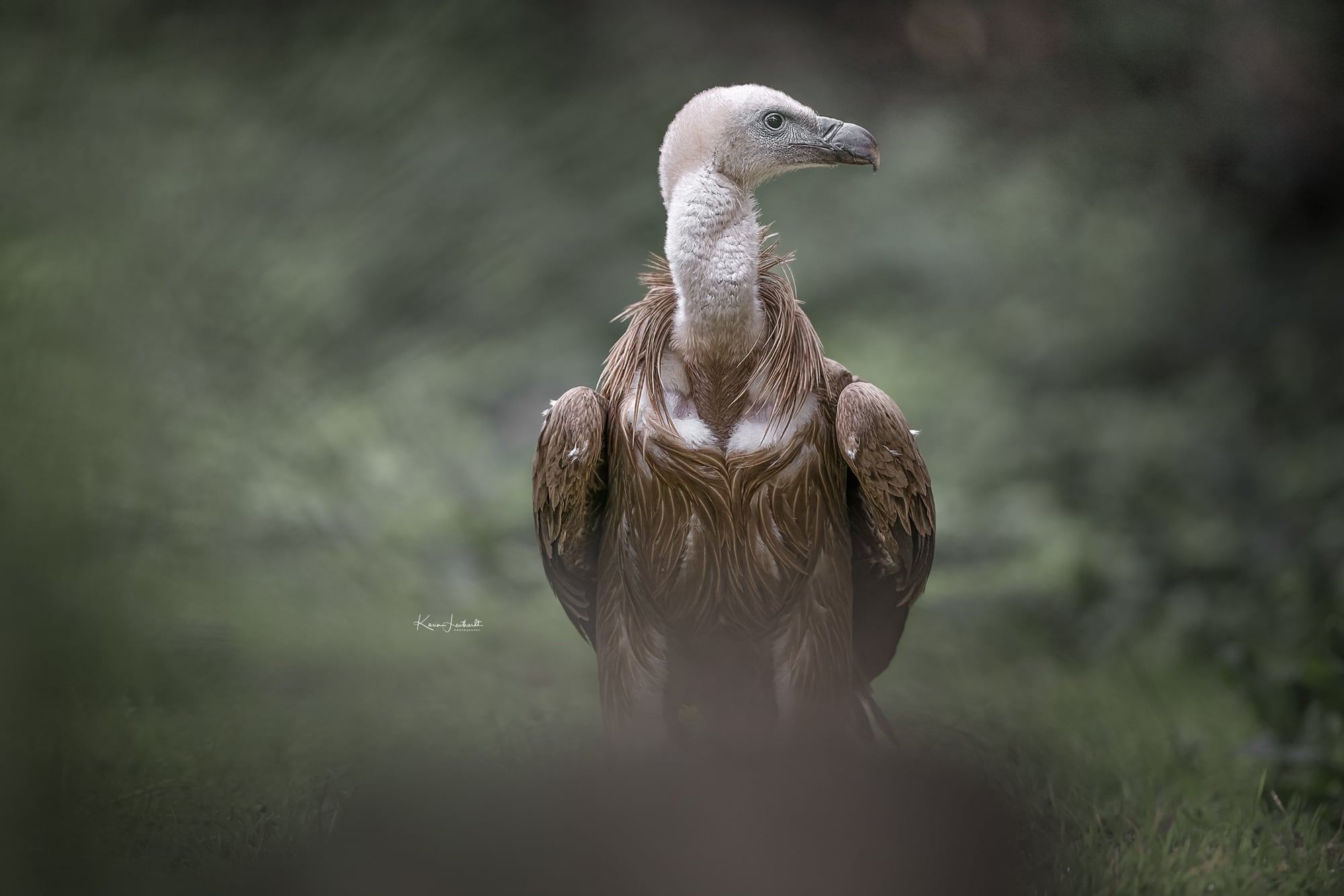
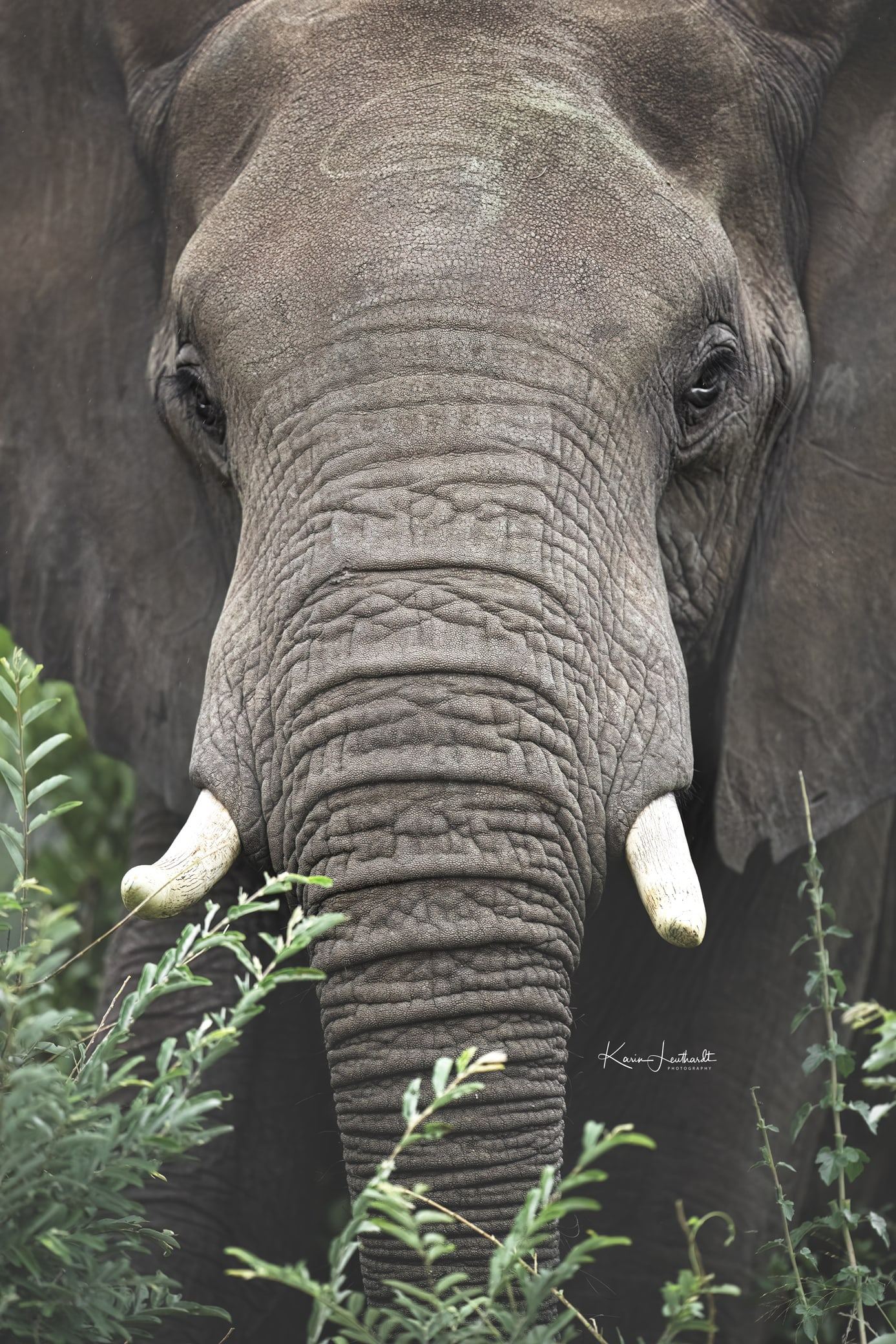
At the same time, Uganda is an important refuge for endangered species. Mountain gorillas, chimpanzees, African elephants, grey crowned cranes and several species of vulture are among the animals whose survival increasingly depends on protecting their habitats.
Part of the income from gorilla permits goes towards protecting the national parks and to the communities on the edge of the forest. Travelling respectfully and in small groups is therefore a direct contribution to preserving these habitats.
Best time to visit Uganda
When a Uganda safari is worthwhile
Uganda lies on the equator. Temperatures are even throughout the year and depend mainly on altitude. In the mountain forests of Bwindi and Mgahinga it is cool in the morning, while on the savannah it is warm during the day.
The dry seasons from December to February and from June to September are the most suitable. The paths in the rainforest are less slippery then, and on the savannah the animals stay closer to the waterholes. In the rainy seasons, roughly March to May and in October and November, it rains more often, frequently as a heavy afternoon shower. Gorilla trekking is possible all year round, as it can rain in the rainforest in any season.
Karin’s Uganda safari takes place twice, from 18 to 27 September 2027 and from 7 to 16 February 2028, both times in the dry season.

What stays with you
Uganda is more than a safari
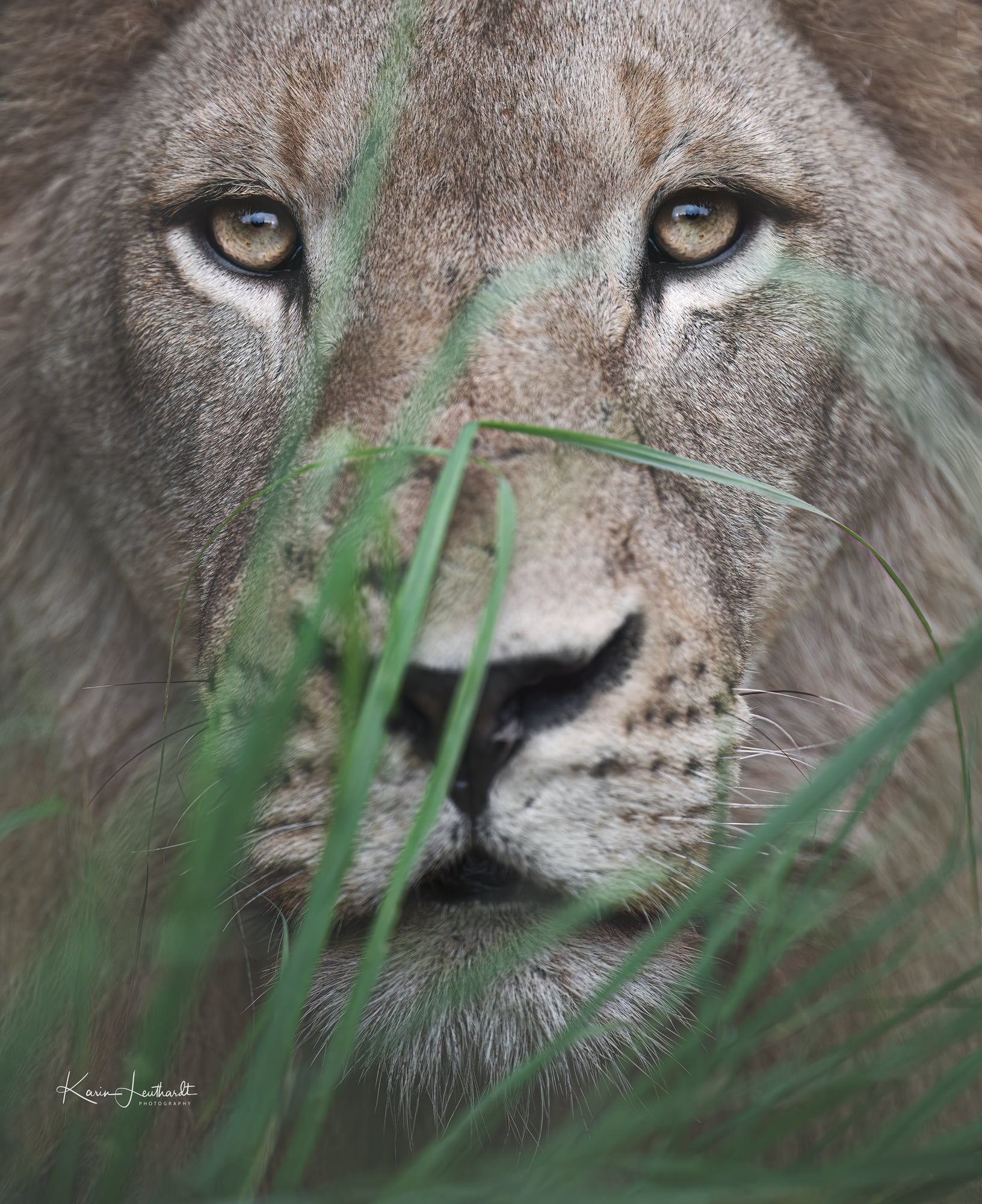
Lioness. Photo: Karin Leuthardt
Uganda is more than a safari. It is the feeling of being in the middle of the wilderness, of coming really close to nature and of experiencing encounters that stay with you forever.

FAQ
Frequently asked questions about a Uganda safari
When is the best time to visit Uganda?
The dry seasons from December to February and from June to September. Gorilla trekking is possible all year round, but in the rainy seasons the forest paths are more slippery.
Where can you go gorilla trekking in Uganda?
In Bwindi Impenetrable National Park and in Mgahinga National Park in the south-west of the country.
How strenuous is gorilla trekking?
Depending on where the gorilla family is, you walk for one to several hours through steep, dense terrain. A normal basic level of fitness is enough, and rangers and porters help along the way.
How long can you stay with the gorillas?
One hour. After that the group heads back so that the animals are disturbed as little as possible.
Where can you see the shoebill in Uganda?
A boat trip through the Mabamba Swamp on Lake Victoria near Entebbe offers a good chance. It is also seen in Murchison Falls National Park.
Are there tree-climbing lions in Uganda?
Yes, above all in the Ishasha sector of Queen Elizabeth National Park. During the day the lions there often rest in the branches of large fig trees.