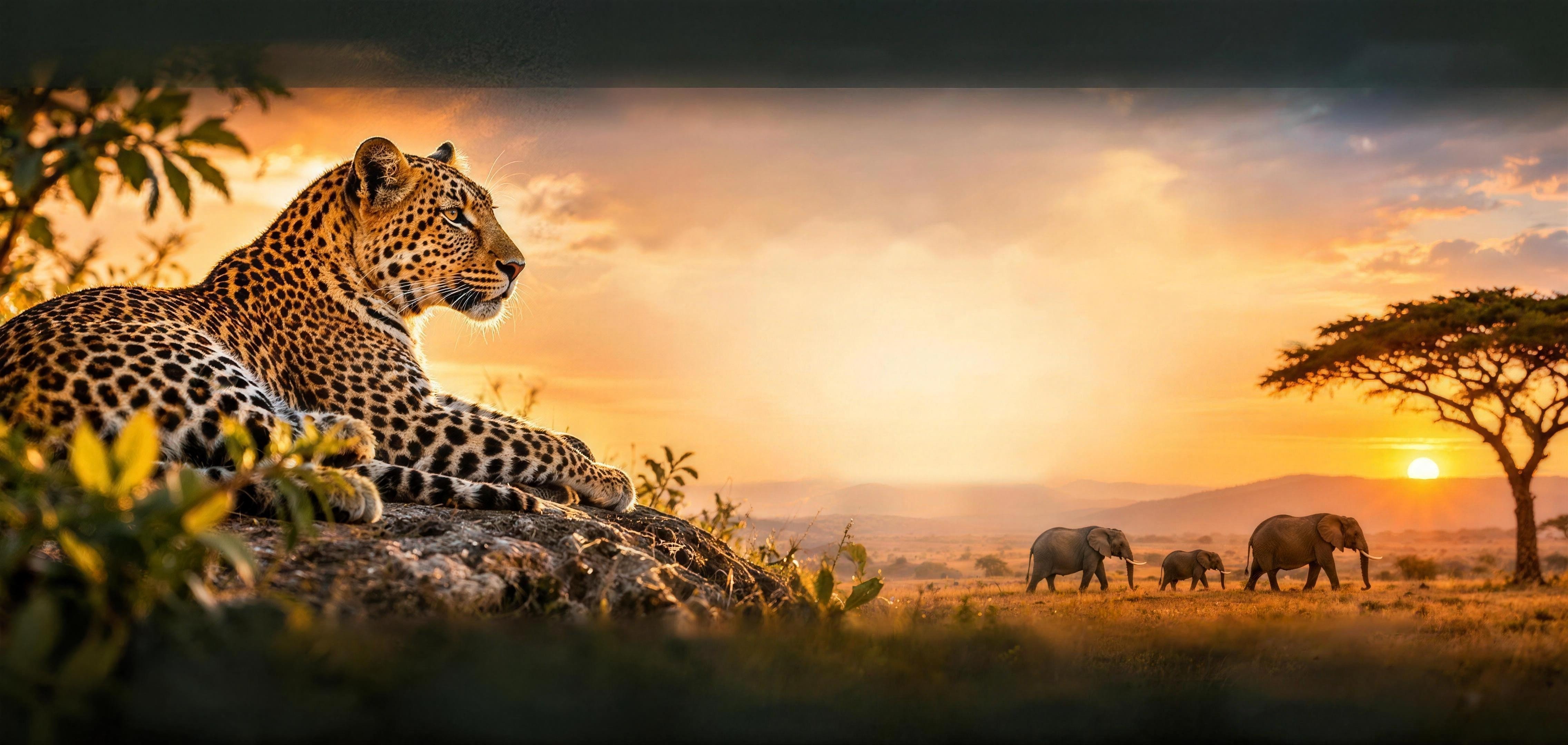
In short
The dry winter from about May to September is the best time for a safari in the Kruger area. The vegetation is sparse then, the animals stay close to the waterholes and the days are warm and sunny. The summer from about November to March is hot and brings thunderstorms, but the landscape is green and many young animals are born. Private reserves on the edge of the national park offer game drives in open vehicles, drives after sunset and guided bush walks.
- Dry winter
- Transition
- Summer rainy season
- Impala birthing season
Weather in the Kruger area
The climate in north-eastern South Africa
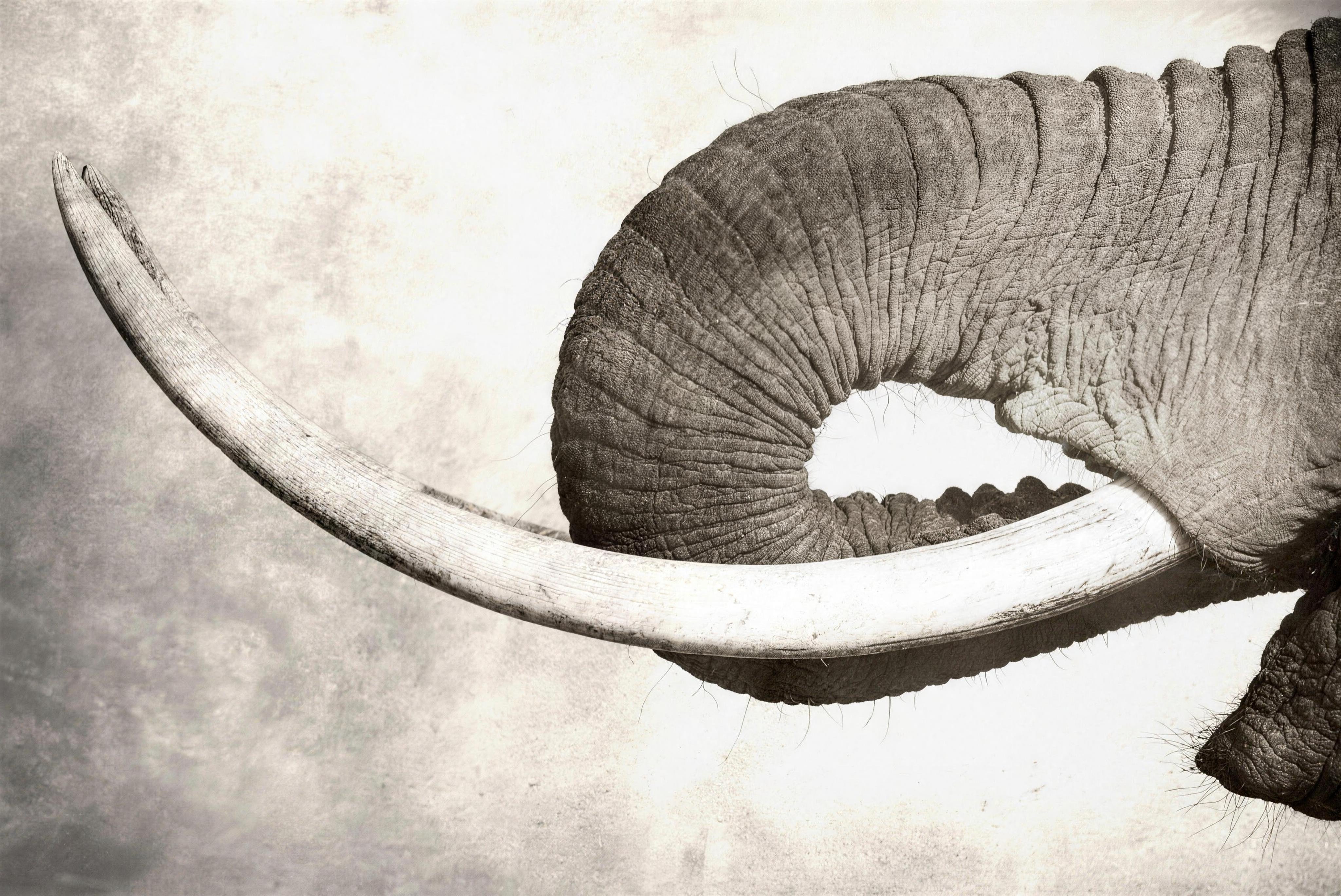
Elephant in the evening light
Kruger National Park lies in north-eastern South Africa in the Lowveld, a warm, subtropical region. The seasons are the reverse of those in Europe: when it is winter here, it is summer there.
The summer from about November to March is the rainy season. It is hot, often over 30 degrees, and thunderstorms frequently build up in the afternoon. The winter from about May to September is dry. The days are sunny and pleasantly warm, while the nights and early mornings are cold, in June and July sometimes only a few degrees above freezing.
Month by month
The Kruger area by month
This overview applies to Kruger National Park and the private reserves on its edge. The information is based on experience and is not a promise for any particular year.
| Month | Weather | For a safari |
|---|---|---|
| January and February | High summer, hot, thunderstorms | Good. The landscape is green and there are many young animals, but the dense greenery makes it harder to see. |
| March and April | Rain eases, still warm | Good. The landscape is still green and temperatures become more pleasant. |
| May | Start of the dry season, mild | Very good. The vegetation thins out and the days are warm and clear. |
| June to August | Dry winter, cold mornings | Very good. The animals gather at the waterholes and visibility in the bush is at its best. |
| September and October | End of the dry season, increasingly hot | Very good to good. Visibility is still good; in October it often gets very hot before the first rains. |
| November and December | Start of the rainy season | Good. Impalas and other antelopes give birth to their young, and the landscape quickly turns green. |
On the edge of Kruger National Park
What makes a private reserve different
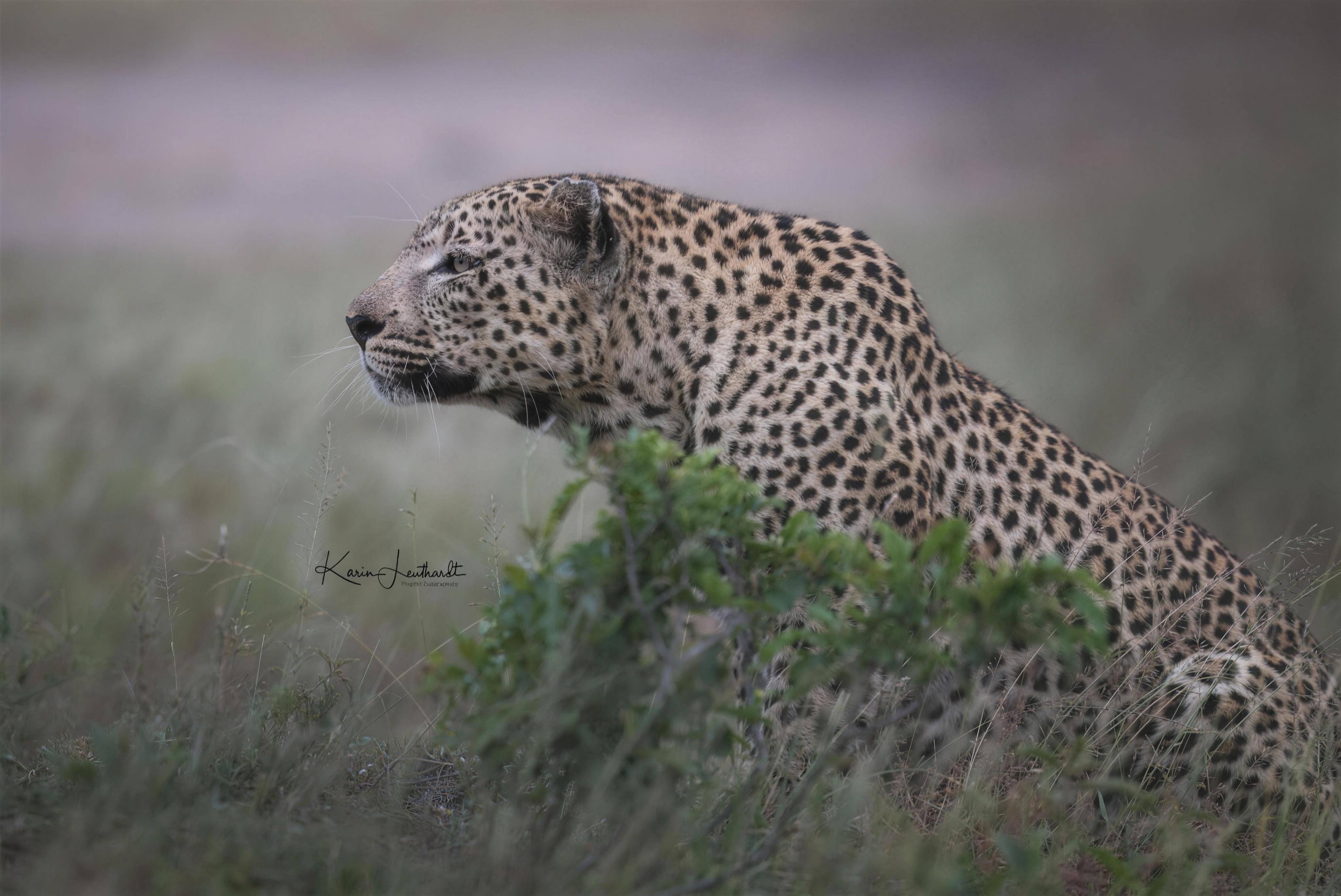
Leopard in tall grass. Photo: Karin Leuthardt
Several private reserves lie along the western edge of Kruger National Park. Many of them are not separated from the national park by fences, and the animals move freely between the two areas.
In the national park itself you drive on set roads and must be back in camp before dark. In the private reserves, by contrast, you go out in an open vehicle with a ranger and a tracker. Depending on the reserve, the vehicle may also follow animals off the roads, and the afternoon game drive continues after sunset with a spotlight. The number of vehicles at a sighting is usually limited.
On top of that there are guided bush walks with armed rangers. On foot you get to know the bush from a different side: tracks, plants, birds and the small animals you overlook from the vehicle.
Lion, leopard, elephant, buffalo, rhino
The Big Five in the Kruger area
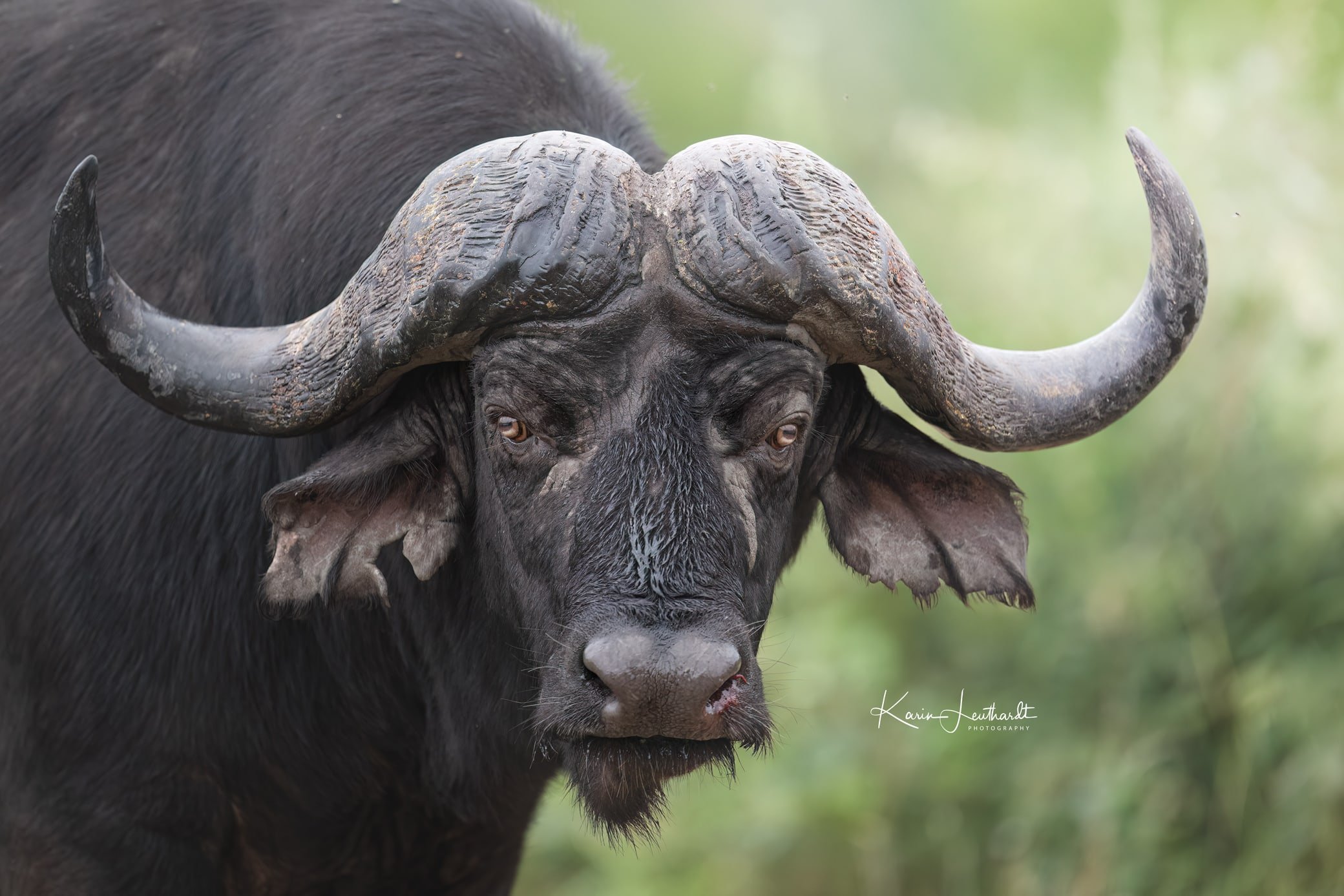
All of the Big Five live in the Kruger area, so a big five safari is possible here. Elephants and buffalo are seen often, and so are lions. In some private reserves leopards are used to vehicles and can often be watched there at leisure.
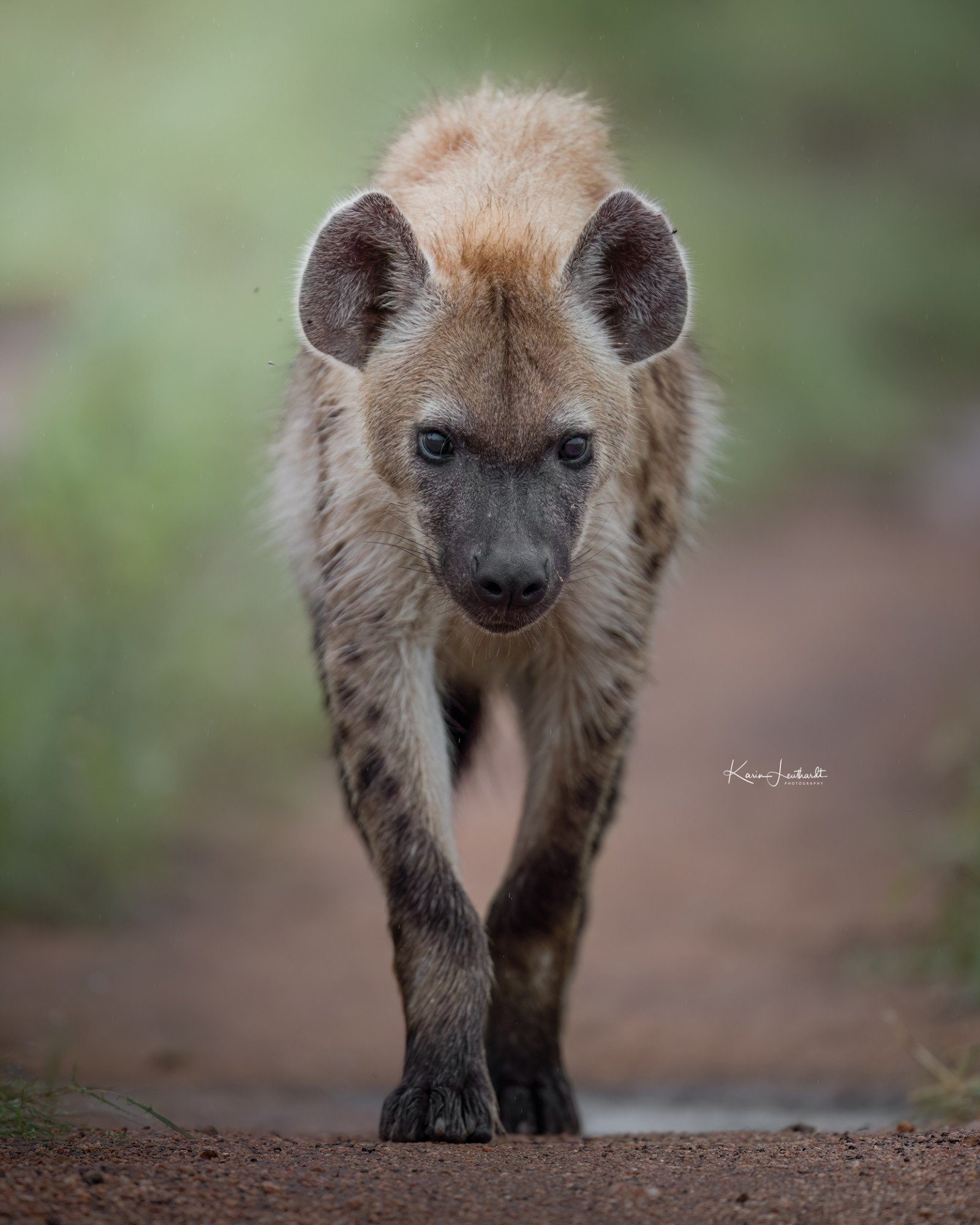
Rhinos have become rare because of poaching. To protect them, sightings are sometimes not passed on. With a little luck you may also come across African wild dogs, hyenas or cheetahs. There is no guarantee for any species.
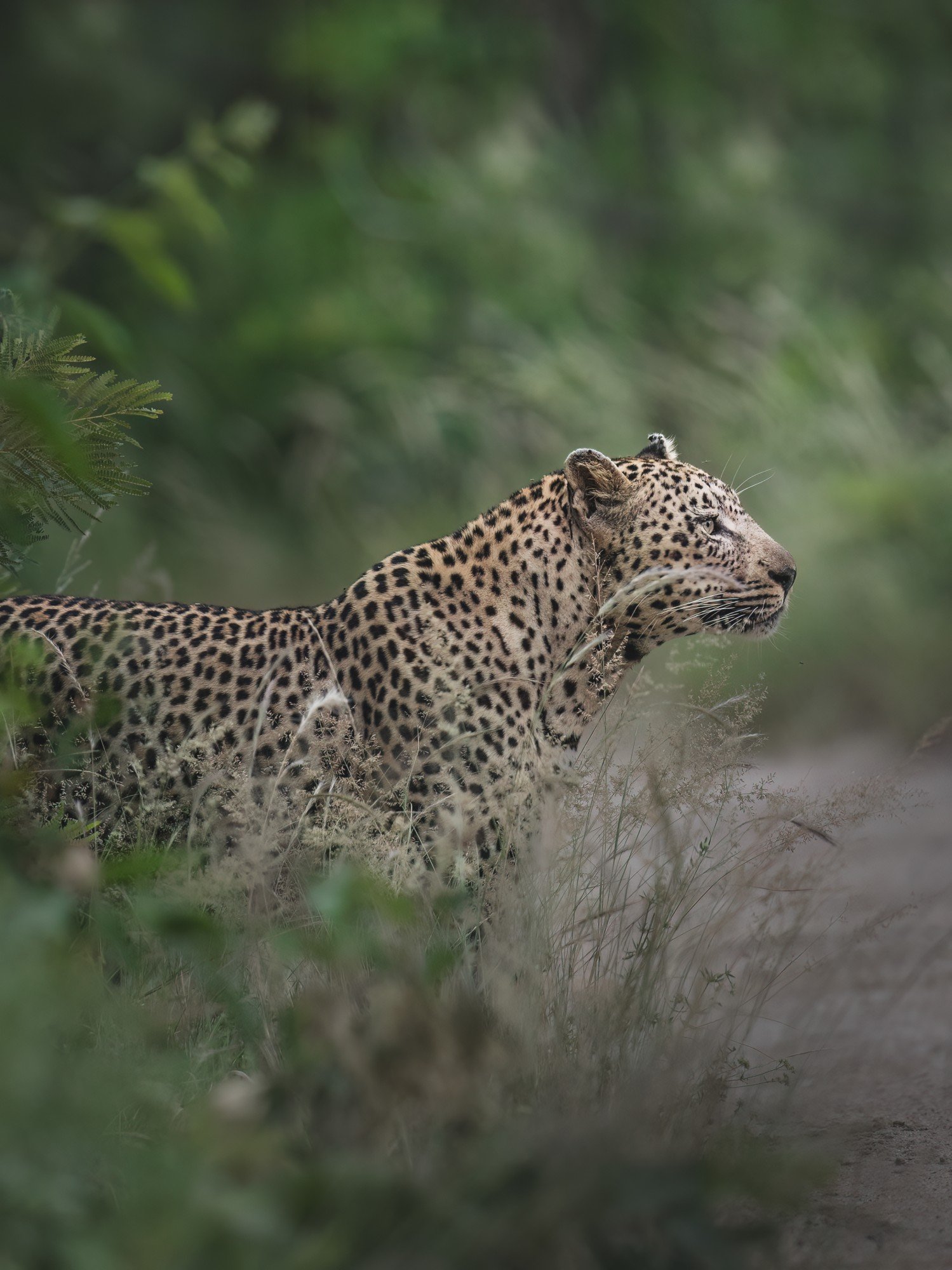
Leopard
Often easy to watch in private reserves, best early in the morning and late in the afternoon.
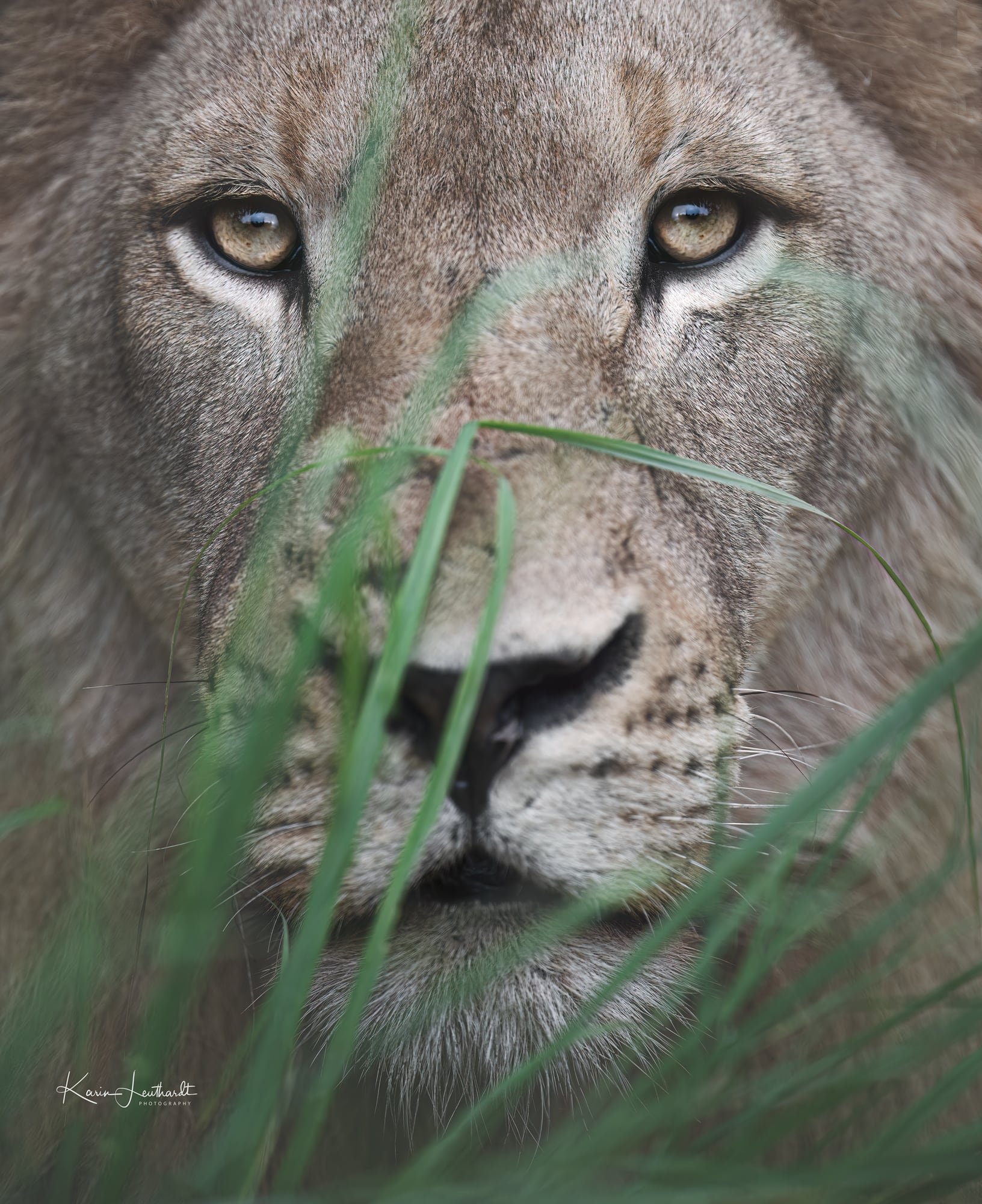
Lion
Usually rests in the shade during the day and becomes active towards evening. The afternoon game drive into the dark improves your chances.
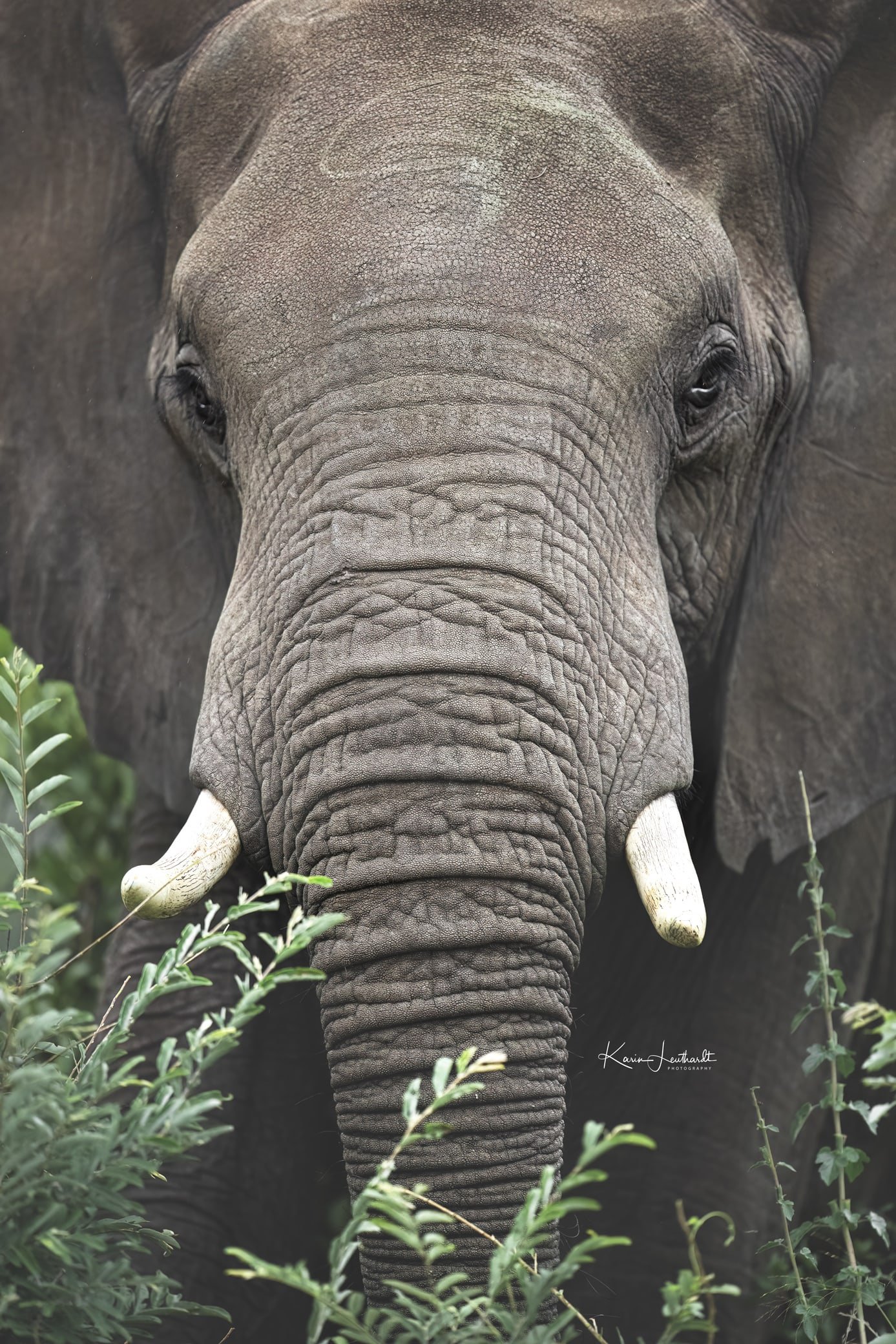
Elephant
Often at the waterholes in the dry winter. Sometimes elephants come right up to a lodge’s waterhole.
Luxury safari
A day at the lodge
The day starts early. The morning game drive begins shortly after sunrise and lasts a few hours. After that comes breakfast and a long midday break, which leaves time to rest, work on your photos or go on a bush walk. In the late afternoon you head out again, often with a stop for sunset, and return to the lodge by spotlight.
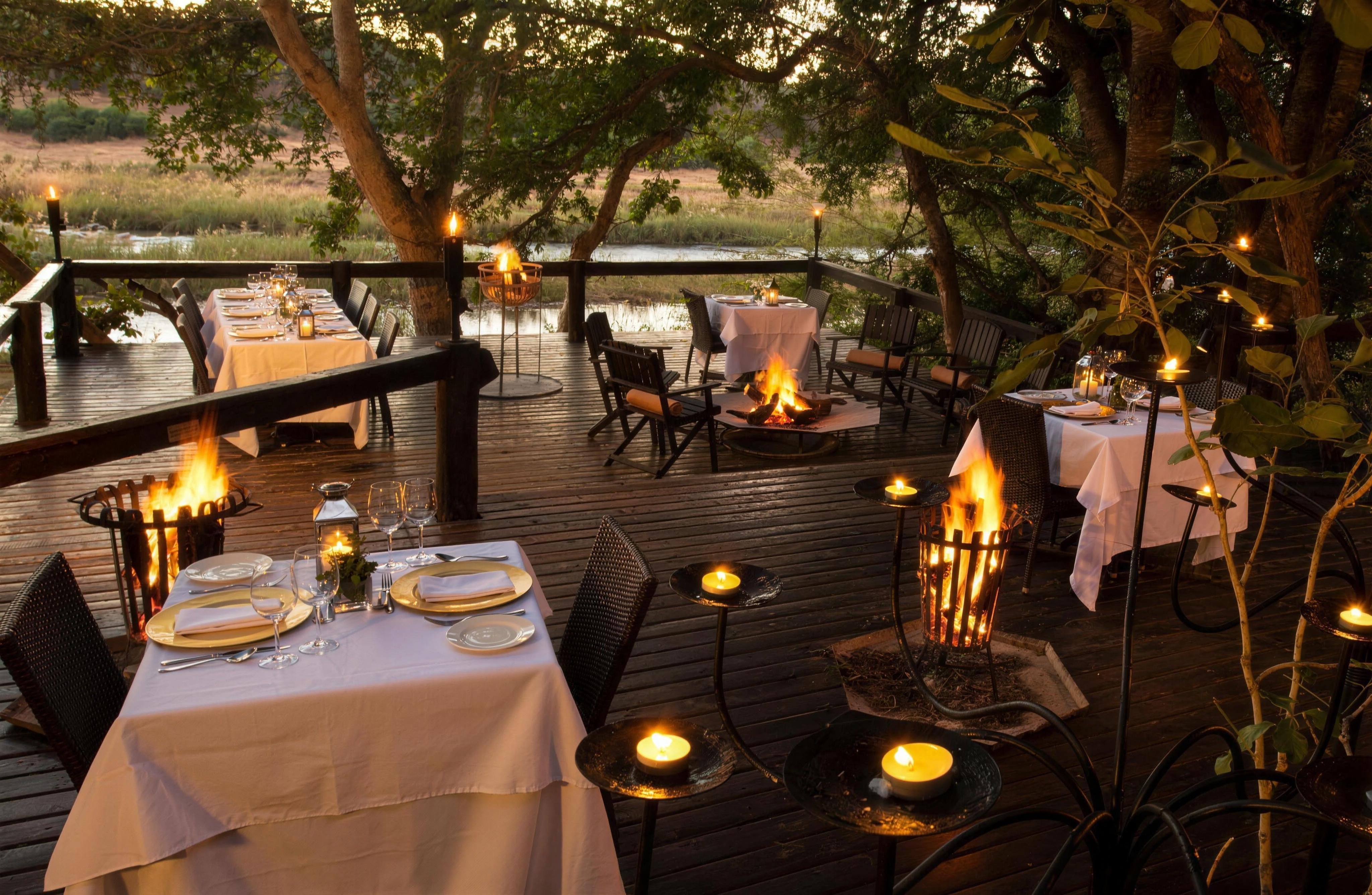
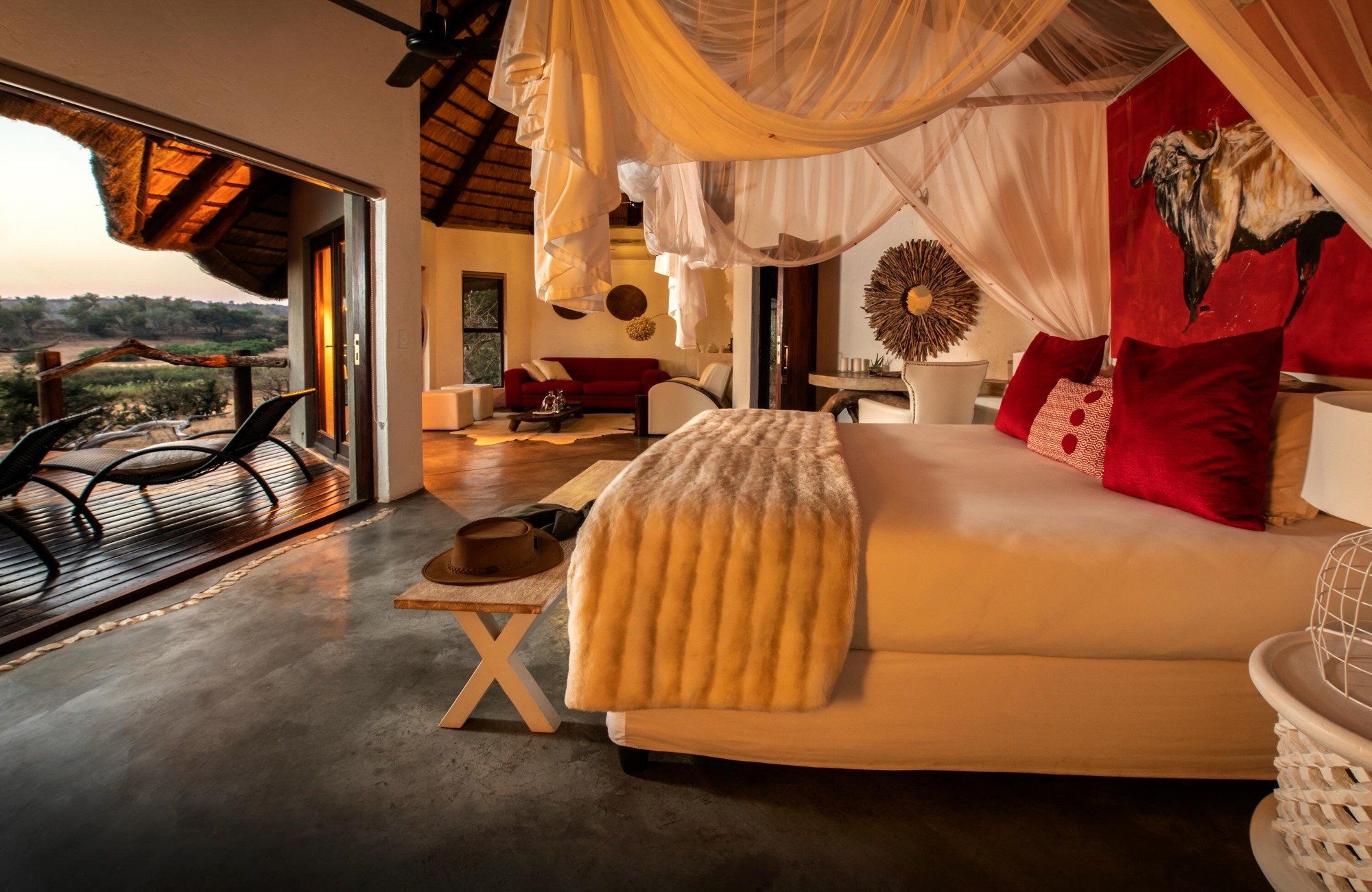
One example is Karin’s South Africa trip: eight nights at a luxury lodge in a private reserve next to Kruger National Park, two game drives a day, bush walks, a bush dinner and a picnic at a hide overlooking a waterhole. You travel via Johannesburg to Hoedspruit airport.
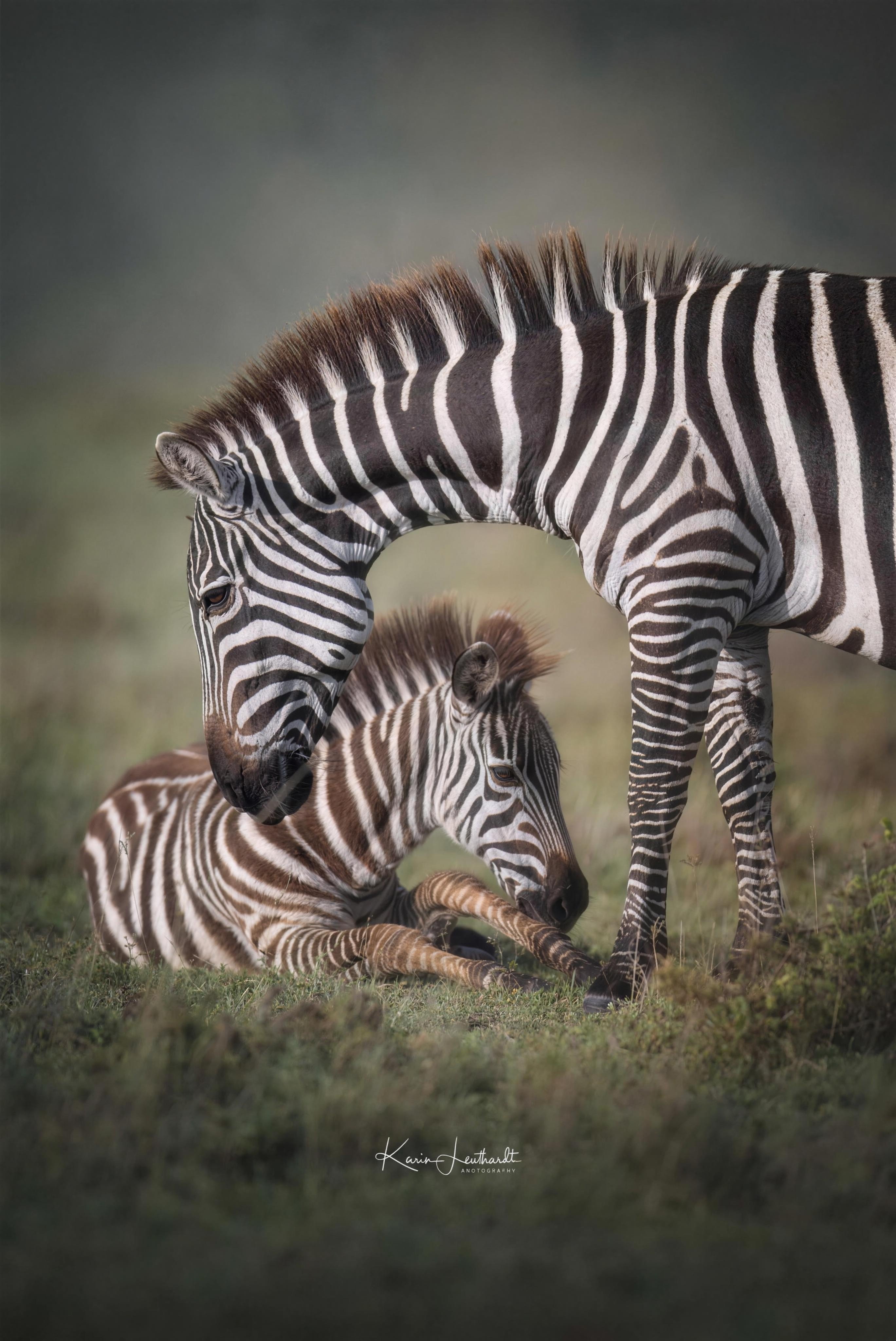
South Africa in May
Why May is a good choice
The dry winter begins in May. The rain is over, the grass gets shorter and the bush thinner, so animals are easier to spot. The days are warm and clear, and the mornings are already fresh. In the open vehicle a warm jacket is welcome early in the morning.
The malaria risk is lower in the dry winter than in summer, but it has not disappeared completely.
Karin’s South Africa safari takes place from 23 to 31 May 2027, with a maximum of 6 participants.
Preparation
Clothing and equipment
For the winter, pack a warm jacket, a hat and gloves, because it gets cold in the open vehicle early in the morning and after sunset. During the day, light clothing in muted colours is enough. For the bush walks, sturdy, comfortable shoes are important.
The Kruger area is a malaria area. Get medical advice on vaccinations and malaria prevention before you travel.
For your camera, a beanbag to rest it on and a telephoto lens are useful. For game drives after sunset, a camera that takes good pictures in low light helps.
FAQ
Frequently asked questions about a South Africa safari
When is the best time for a safari in South Africa?
For the Kruger area, the dry winter from about May to September. The vegetation is sparse then and the animals stay close to the waterholes.
What is the difference between Kruger National Park and a private reserve?
In the national park you drive on set roads and must be in camp by dark. In private reserves you go out in an open vehicle with a ranger and a tracker, may drive off the roads depending on the reserve, and can also go on game drives after sunset.
Can you see the Big Five in the Kruger area?
All of the Big Five live there. Elephants, buffalo and lions are common, and leopards are easy to watch in some private reserves. Rhinos have become rare. There is no guarantee.
Is the Kruger area a malaria area?
Yes. The risk is lower in the dry winter than in the rainy season. Get medical advice before you travel.
How warm is it in the Kruger area in May?
In May the days are usually warm and sunny, and the mornings and evenings fresh. In the open vehicle a warm jacket is a good idea early in the morning.
How do you get to the Kruger area?
Usually via Johannesburg and from there on a domestic flight to one of the airports on the edge of the park, for example Hoedspruit.