In short
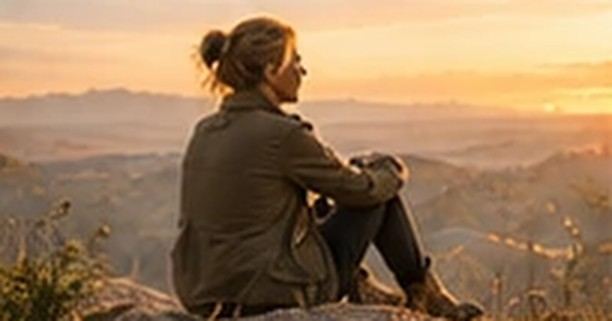
On safari you wear clothing in khaki, beige, olive or brown. White shows every bit of dust, and dark blue and black attract tsetse flies in some areas. Because the mornings are cold and the middle of the day is hot, you dress in layers. Add a wide-brimmed hat, sun protection, insect repellent and binoculars. On domestic flights in small aircraft there are often strict baggage limits, so a soft holdall is better than a hard-shell suitcase.
What to wear on safari
The right colours
Out and about in muted colours
Earth tones such as khaki, beige, sand, olive and brown are ideal on safari. They blend in with the landscape, show little dust and heat up less in the sun than dark fabrics.
It is best to leave camouflage clothing at home. In some African countries it is banned for civilians because it is reserved for the military and police.
Well suited
- Khaki, beige, sand, olive and brown
- Light, breathable fabrics such as cotton or linen
- Long sleeves and long trousers for the evening
- Sturdy, comfortable shoes for bush walks
Better not
- White, because it looks dusty straight away
- Dark blue and black, which attract tsetse flies in some areas
- Camouflage patterns, which are banned in some countries
- Bright colours, which can startle animals
Cold mornings, warm middays
Dressing in layers
The morning game drive often starts before sunrise in an open vehicle. It can be bitterly cold then, especially in the highlands and in the South African winter. At midday it is warm to hot. Several thin layers can be put on and taken off along the way.
- 01
Base layer
A light T-shirt or long-sleeved top made of breathable material. It stays on all day.
- 02
Warm layer
A fleece or a thin down jacket for the first hours of the morning and the evening after sunset.
- 03
Wind and rain protection
A light jacket against the wind while driving and brief showers. In the South African winter a hat and thin gloves are also part of it.
- 04
Sun protection
A hat, sunglasses, high-factor sun cream and a light scarf for your neck and against dust.

Safari hat
The right safari hat
Brim, chin strap, colour
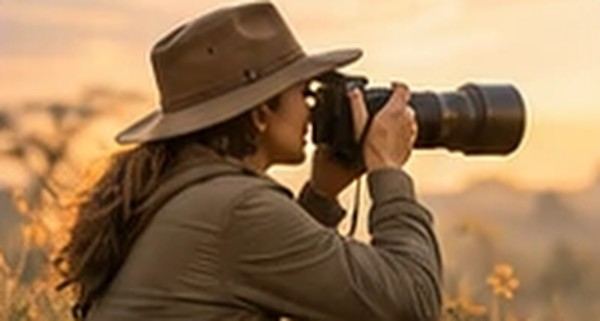
A wide brim protects your face, ears and neck. A chin strap keeps the hat in place in the open vehicle. Choose a light earth colour and a material you can squash without damaging it.
Safari packing list
What goes in your bag
- 01
Clothing
Two to three pairs of trousers, several shirts, a fleece or light down jacket, a rain jacket, a hat, comfortable shoes and swimwear for the lodge. Many lodges offer a laundry service.
- 02
Equipment
Binoculars, a head torch, charging cables, plug adapters for the country you are visiting, a power bank and a small bag for the vehicle.
- 03
Health
Sun cream, insect repellent, personal medication and a small travel first aid kit. Get medical advice on vaccinations and malaria prevention before you travel.
- 04
Documents
A passport with sufficient validity, a visa if required, your vaccination certificate, travel insurance and copies of all documents.
- 05
Camera
Camera, telephoto zoom, spare batteries, memory cards, dust cover and a beanbag to rest it on. More on this in the guide to wildlife photography on safari.
- 06
Luggage
A soft holdall instead of a hard-shell suitcase. On flights in small aircraft, weight limits of around 15 kilograms often apply, depending on the airline.
Binoculars for safari
Binoculars: your second pair of eyes
With binoculars you spot animals before they are close enough for the camera and see details that stay hidden to the naked eye. Models with 8x or 10x magnification and 42 millimetre objective lenses have proved their worth. They are bright enough for dusk and easy to hold steady.
If you travel light, your hands are free for what really matters.
FAQ
Frequently asked questions about safari clothing and packing
What should you wear on safari?
Light clothing in muted earth tones, in layers with a fleece or light down jacket for the cold mornings, plus a wide-brimmed hat and comfortable shoes.
What colours should you wear on safari?
Khaki, beige, sand, olive and brown. White shows every bit of dust, dark blue and black can attract tsetse flies in some areas, and camouflage patterns are banned in some countries.
Do I need a safari hat?
Yes. A wide-brimmed hat protects you from the sun in the open vehicle. A chin strap stops it from blowing away.
Which binoculars are best for safari?
Binoculars with 8x or 10x magnification and objective lenses of around 42 millimetres are a good compromise between brightness, steadiness and weight.
How much luggage can you take on safari?
That depends on the flights. On small aircraft limits of around 15 kilograms often apply, usually in a soft bag. Ask about the exact requirements before you travel.
Does it get cold on safari?
Yes, especially early in the morning and in the evening in the open vehicle, in the East African highlands and in the South African winter.