In short
On safari you are a guest in the habitat of wild animals. On a game drive you stay seated, stay in the vehicle and stay quiet. On foot you only go out with armed rangers, in single file and without running. In camp you only leave your tent after dark with an escort. If you follow these few rules, you are very safe on a guided safari and see the animals as they really are.

Game drive in an open vehicle
The rules on a game drive
Safari vehicle on the savannah
To most animals a safari vehicle is a large, harmless shape. They have learned that it poses no danger. That changes as soon as a person separates from the shape: stands up, leans out or gets out. Suddenly the vehicle becomes a human, and predators as well as elephants react to that.
That is why simple rules apply on a game drive. They protect you, and they make sure the animals stay relaxed and show their natural behaviour.
The right way
- Stay seated, even when an animal is very close.
- Keep your arms, camera and lens inside the vehicle.
- Speak quietly and move slowly.
- Wait for the guide’s signal before you take photos or stand up.
- Take your rubbish back with you, even small wrappers.
Please never
- Get out, unless the guide allows it in a safe place.
- Shout, whistle, knock or use noises to attract animals.
- Feed animals or leave food lying around.
- Use a flash, especially at night.
- Push the guide to drive closer to an animal.
Respect for the animals
Four principles for every encounter
Good guides read the animals’ body language. An elephant that spreads its ears and raises its head, a lion that stops dozing and fixes its eyes on the vehicle: these are signs that it is getting too close. The vehicle then calmly backs off a little. Four principles apply to you.
- 01
Give the animals space
No photo is worth crowding an animal. If an animal moves away or changes its behaviour, you are too close. With a telephoto lens you can get striking pictures from a distance too.
- 02
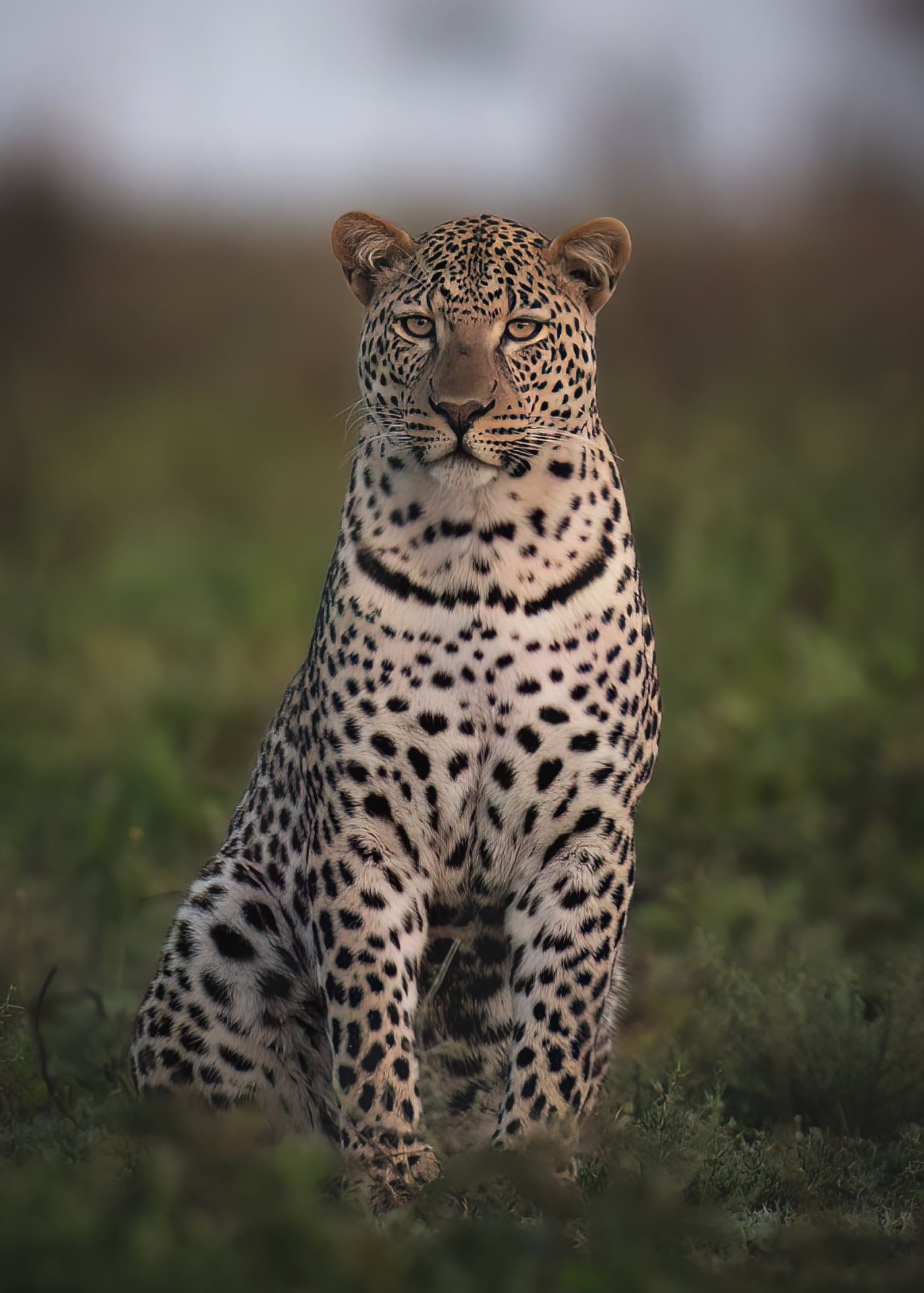
Patience, not haste
The best moments come when the vehicle has stopped, the engine is off and everyone goes quiet. If you wait, you see how a pride moves, how young animals play or how a leopard climbs down from a tree.

- 03
Do not feed or lure
Animals that are fed lose their shyness and become a danger, to people and to themselves. Calls played from a phone or food for birds are also off limits.

- 04
Share sightings
Several vehicles often gather at a sighting. Good guides take turns and leave the animals a clear path. Never block an animal’s way to water or to its young.
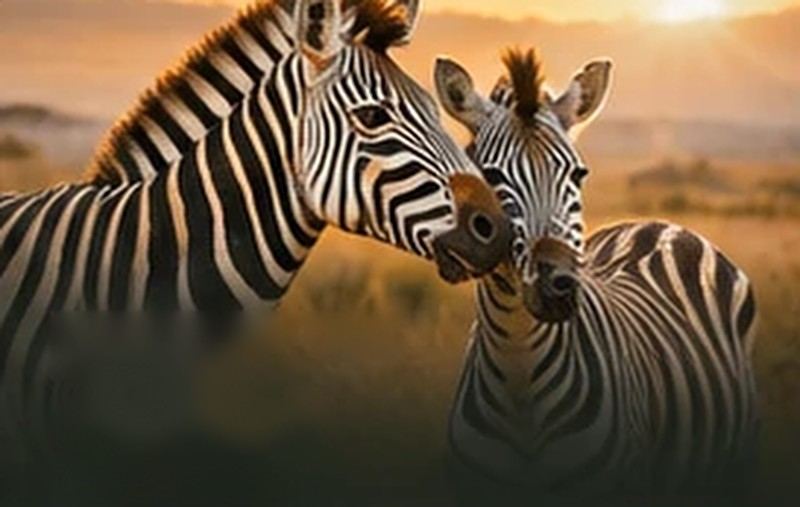
Bush walk
On foot: the walking safari
A walking safari shows the bush from a different perspective. You learn to read tracks, smell the plants and see the small things you overlook from the vehicle. Bush walks only take place with trained, armed rangers.
Single file, quiet, never run
You walk in single file behind the ranger, only speak in a whisper and follow every hand signal at once. If an animal comes closer, you stand still. Running away triggers the hunting instinct in predators and is the most dangerous mistake.
Lodge and tented camp
Staying safe in camp and at the lodge
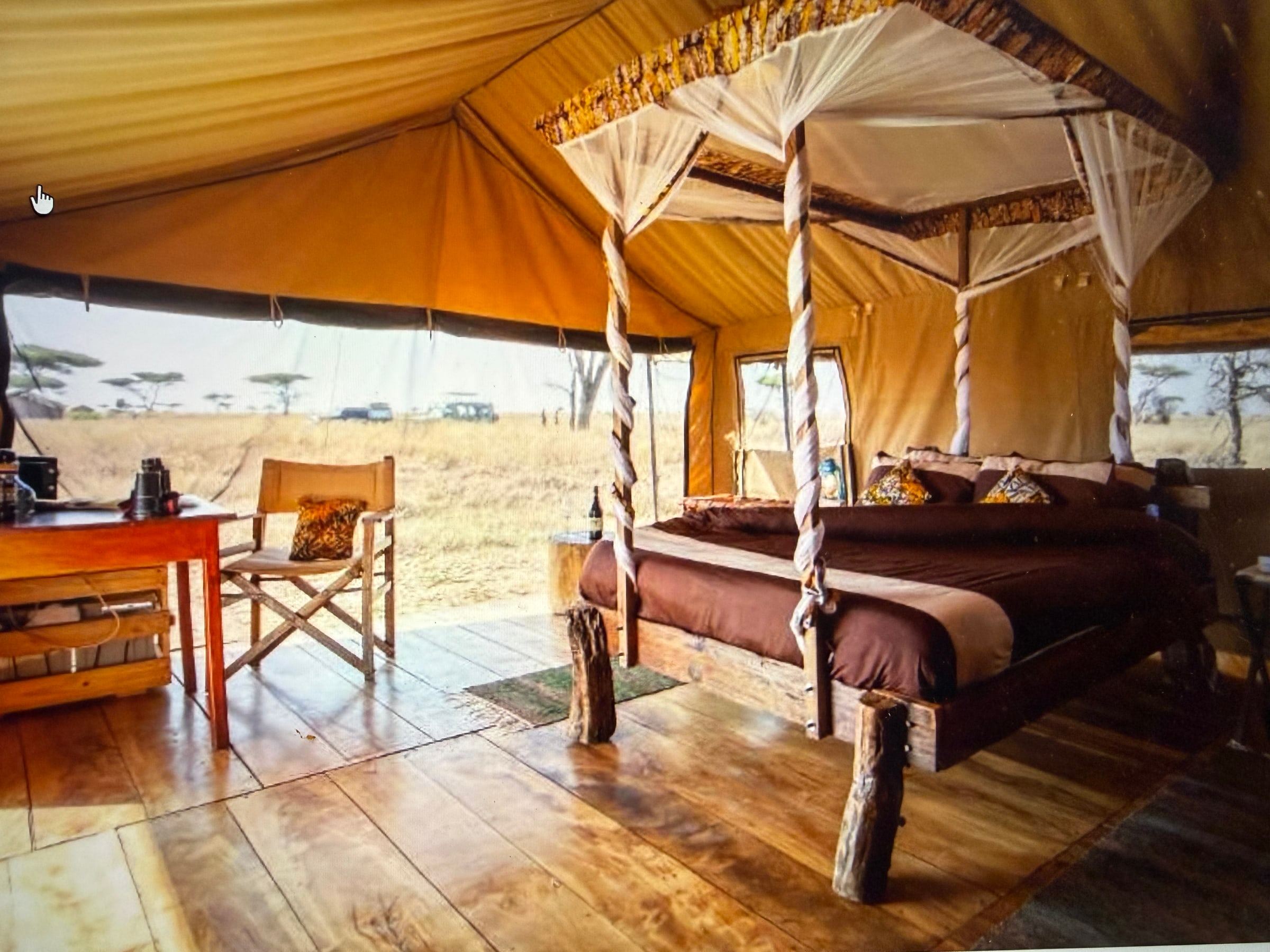
Many camps and lodges are not fenced. Elephants, buffalo or hippos pass between the tents at night. That is part of the experience, but it calls for a few firm rules.
- 01
At night only with an escort
After dark, a member of staff with a torch takes you from your tent to dinner and back.
- 02
Keep the tent closed
Always zip up, during the day too. That keeps monkeys, insects and small animals out.
- 03
No food in the tent
Snacks and fruit attract animals. Only keep food where the camp intends it to be kept.
- 04
Emergency signal
Many camps have a whistle, a radio or a horn in the tent. Ask to be shown how it works on the first day.
Knowledge instead of fear
Dangerous animals in Africa that demand respect
Most dangerous situations on safari are caused by bad behaviour, not by animals attacking. If you know which animals are particularly sensitive, you understand the guide’s decisions better.
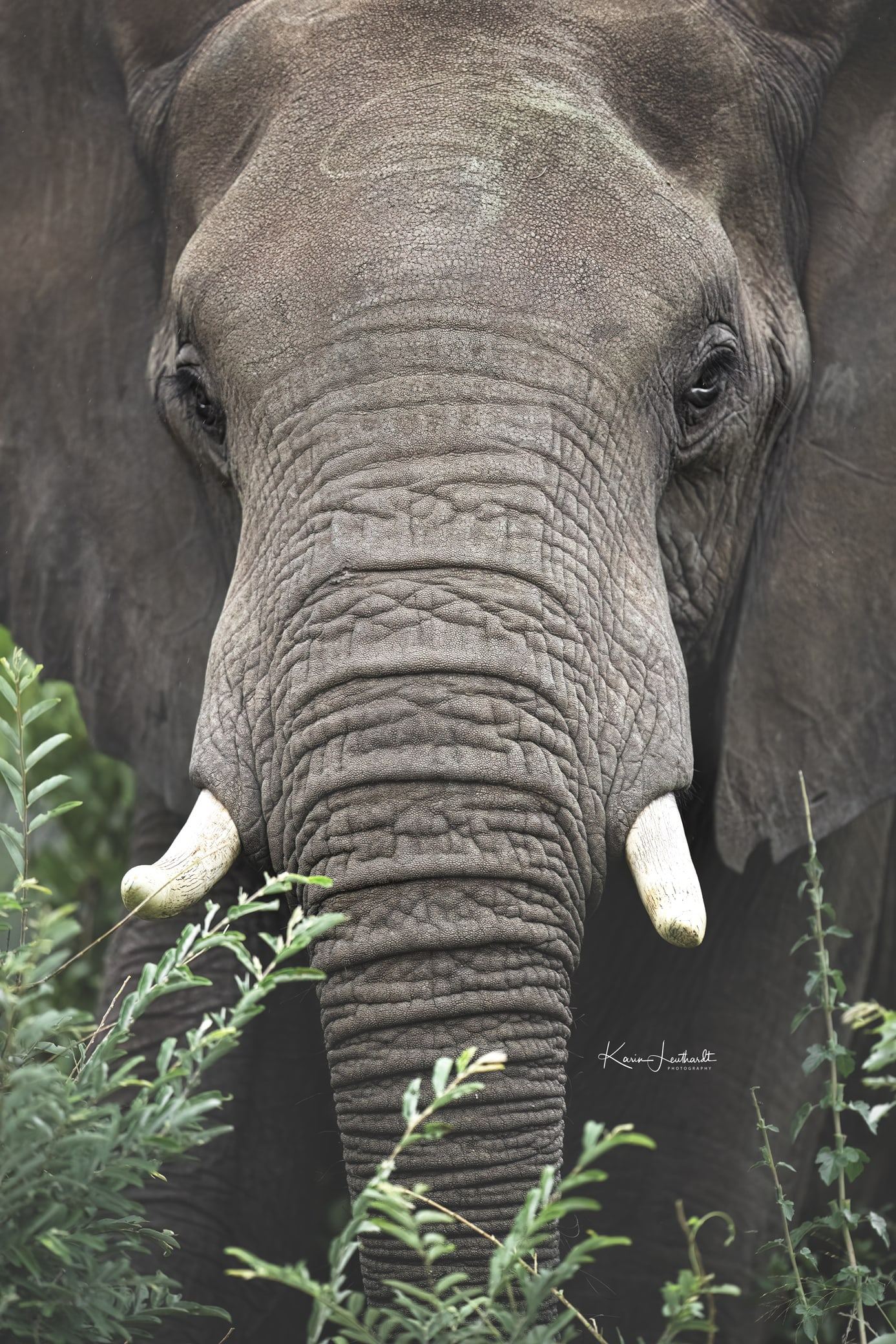
Elephant
Usually calm, but mothers with calves and bulls in musth react quickly. Spread ears and head shaking are warning signs. The guide then gives them space.

Cape buffalo
Calm in the herd, but single old bulls are considered unpredictable. On bush walks in particular, rangers keep a wide distance.
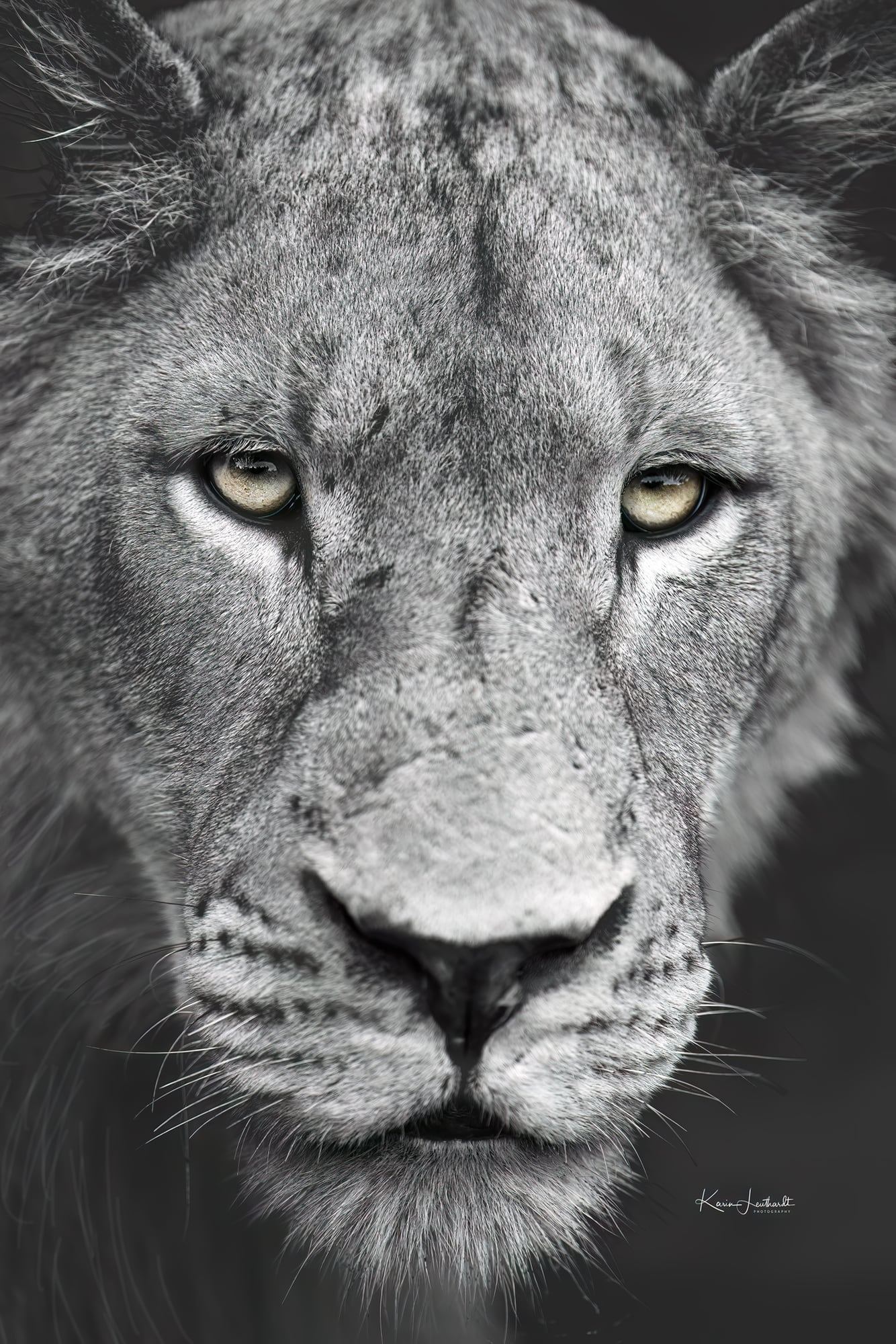
Lion
Usually relaxed when seen from the vehicle. It becomes dangerous when a person gets out or runs away. Hippos are also considered dangerous, especially on land between the riverbank and their grazing grounds.
People and nature
Respect for people and nature
Only photograph people if you have asked first, in villages and at markets too. In many national parks drones are banned or only allowed with a permit. In Kenya and Tanzania plastic bags are banned and can be confiscated on arrival.
A tip is customary for guides, trackers and the camp team. It is a recognition of their work and an important part of their income.
The quieter we are, the more the animals show us of themselves.
Karin Leuthardt
FAQ
Frequently asked questions about safari etiquette
Is a safari dangerous?
A guided safari is very safe if you follow the instructions of your guide and ranger. Most dangerous situations arise when people get out, feed animals or drive too close.
What is a game drive?
A game drive is a trip in an open or semi-open safari vehicle to watch animals. There is usually one early in the morning and one in the late afternoon, when the animals are most active.
Can you stand up on a game drive?
Only if the guide allows it. Near animals you stay seated, so that to the animals the vehicle remains a single closed shape.
What is a walking safari?
A safari on foot, accompanied by trained and armed rangers. You walk in single file, speak quietly and learn about tracks, plants and small animals.
What should I do if an elephant comes closer?
Stay seated and calm, do not talk and avoid sudden movements. The guide decides whether the vehicle stays put or slowly reverses.
Can I use a drone on safari?
In many national parks and reserves drones are banned or only allowed with a permit. Always check this before you travel.