In short
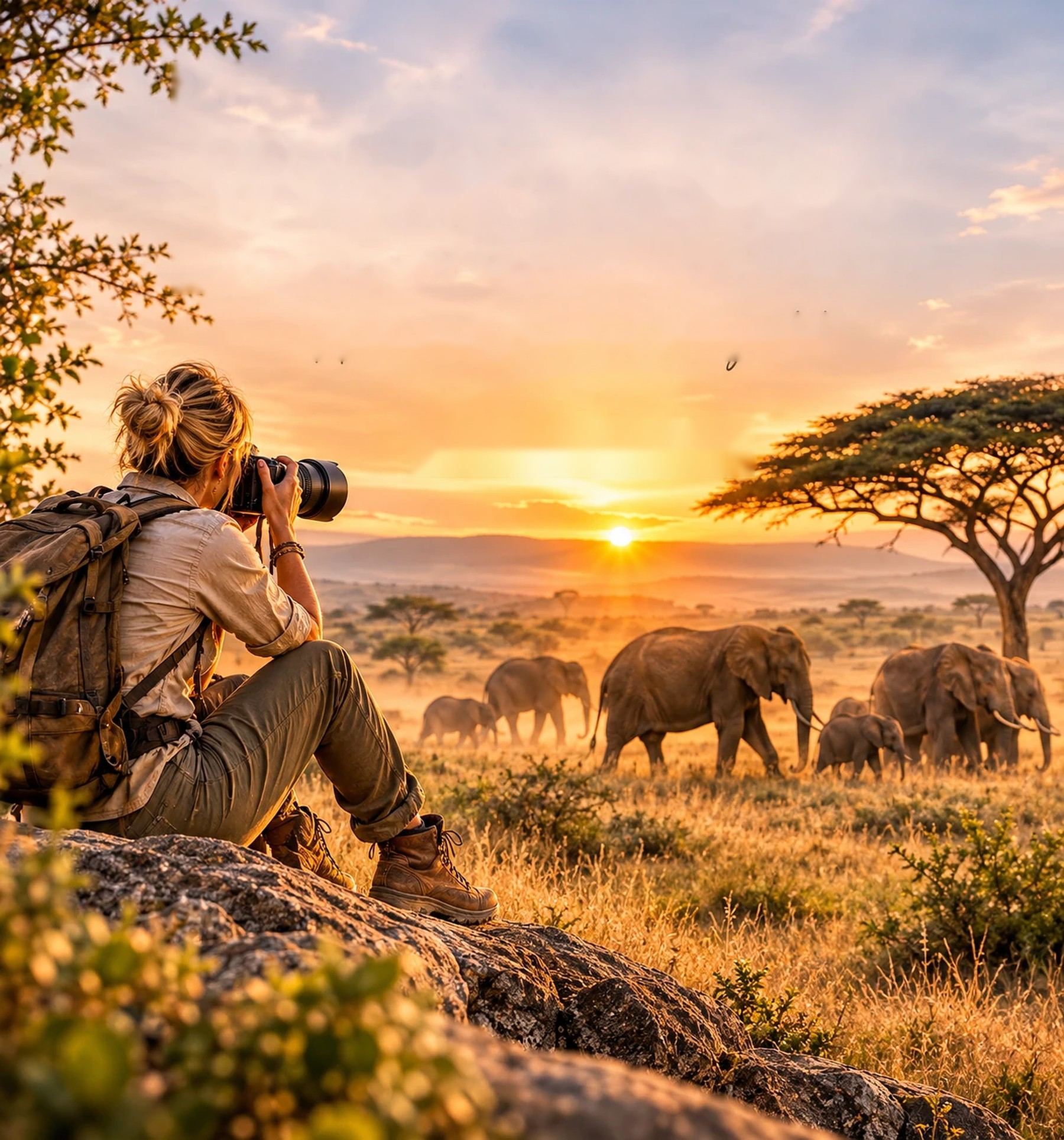
For wildlife photography on safari you mainly need a telephoto zoom, for example 100 to 400 or 150 to 600 millimetres, and a camera with fast autofocus. For animals in motion you choose a fast shutter speed of 1/1000 s or faster, use continuous autofocus and burst mode. The best light is early in the morning and late in the afternoon. A polarizing filter helps with reflections and skies, an ND filter mainly with landscapes and long exposures.
Best camera for safari
Camera and lens
Taking photos from the vehicle
The lens matters more than the camera. Many animals can only be photographed from a distance, so a telephoto zoom is the foundation. Zooms such as 100 to 400 or 150 to 600 millimetres have proved their worth. A second, shorter lens helps when animals are close or you want to include the landscape in the picture.
- 01
Telephoto zoom
400 to 600 millimetres for animals at a distance, birds and portraits. A zoom is more flexible than a prime lens.
- 02
Second lens
A standard or wide-angle zoom for landscapes, herds and scenes in which the animal is part of its surroundings.
- 03
Beanbag
A tripod is impractical in the vehicle. A beanbag on the window frame or the roof keeps the telephoto lens steady.
- 04
Spares and protection
Spare batteries, enough memory cards, a dust cover and a cloth. Do not change lenses on dusty tracks.
Camera settings for animal photography
The right settings
Shutter priority mode or manual exposure with auto ISO has proved its worth. That way you set the shutter speed and the camera adjusts the sensitivity to the light. The values in the table are starting points, not rules.
| Situation | Setting | Why |
|---|---|---|
| Resting animal | 1/250 to 1/500 s, aperture wide open | Sharp animal, soft background |
| Animal in motion | 1/1000 to 1/2000 s | Freezes running and jumping |
| Bird in flight | 1/2000 s or faster | The wings stay sharp too |
| Low light in the morning | Aperture open, ISO up to 3200 or 6400 | Fast shutter speeds despite the dim light |
| Panning | 1/30 to 1/60 s, swing the camera with the animal | Shows movement, blurs the background |
Sharp at the right moment
Autofocus and burst mode
- 01
Continuous autofocus
In continuous mode the focus follows the animal, even when it moves. It works just as well for resting animals.
- 02
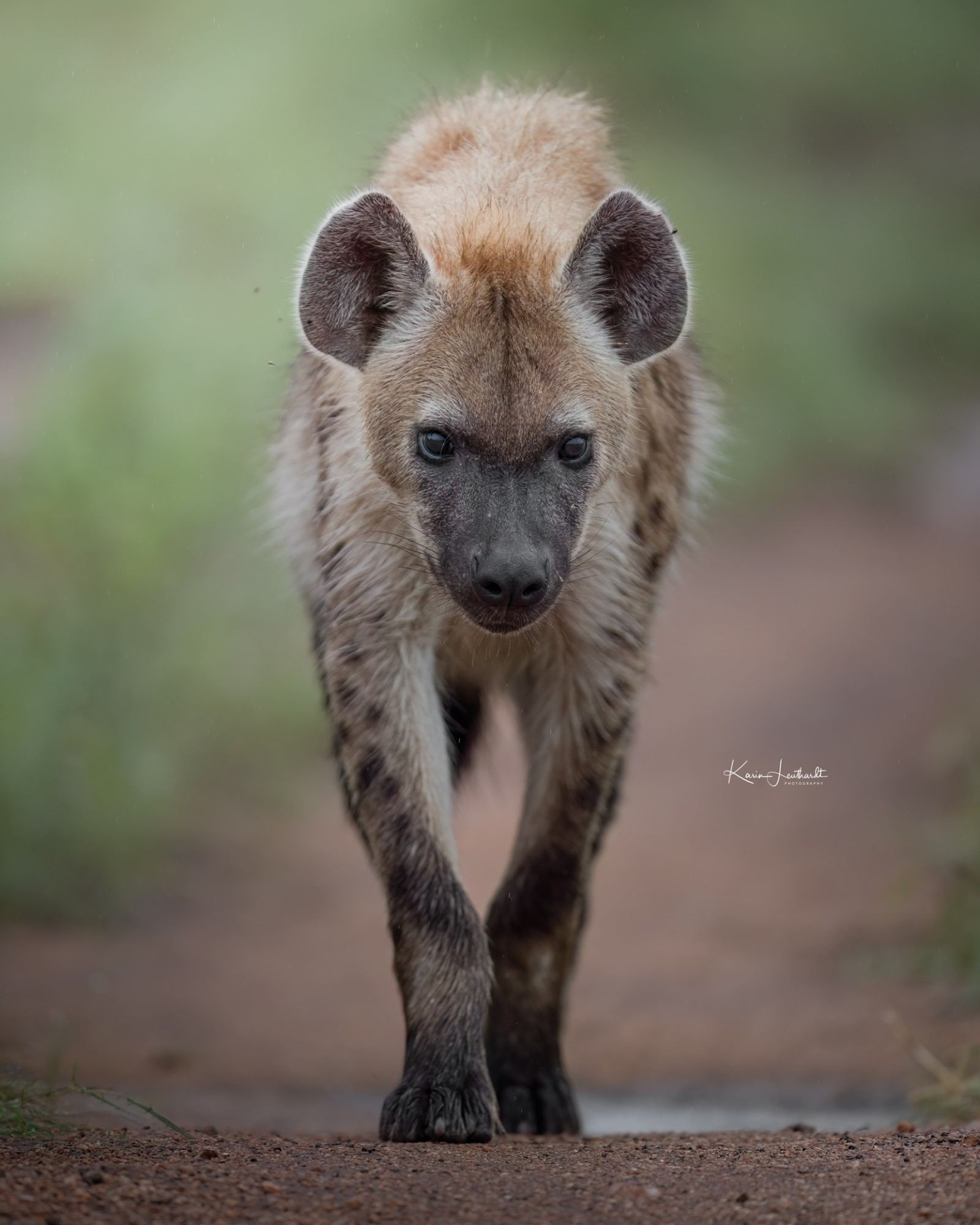
Focus on the eyes
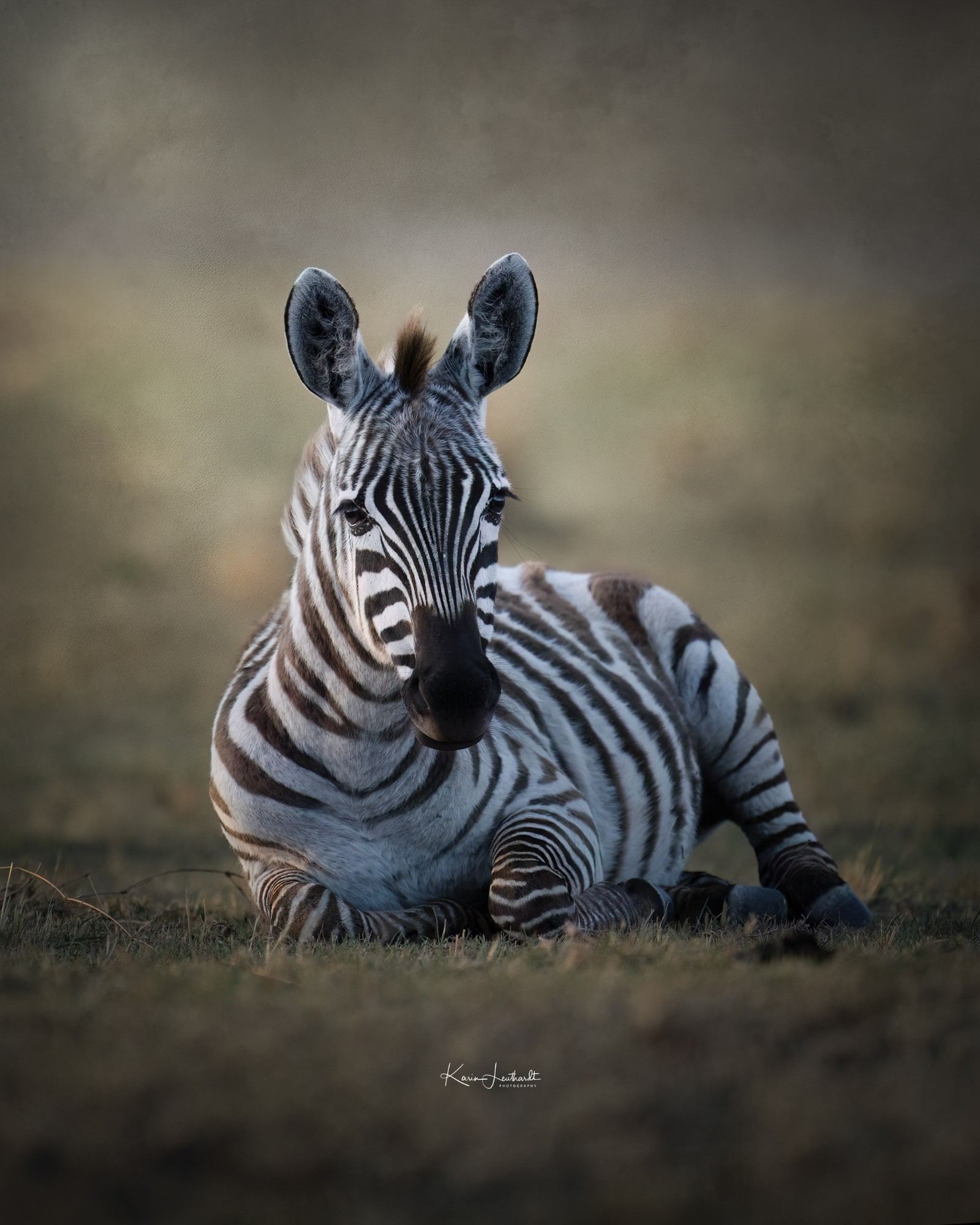
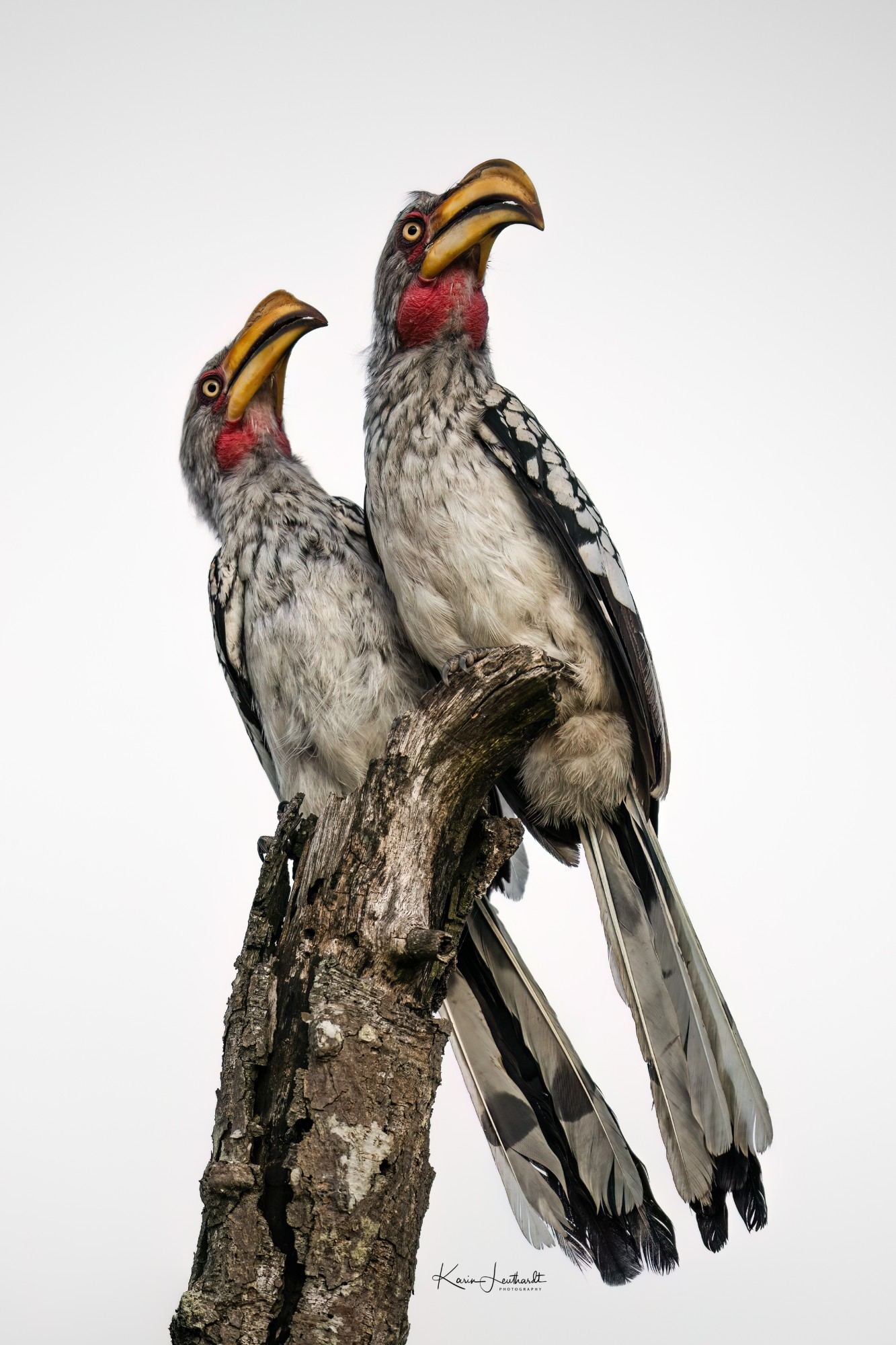
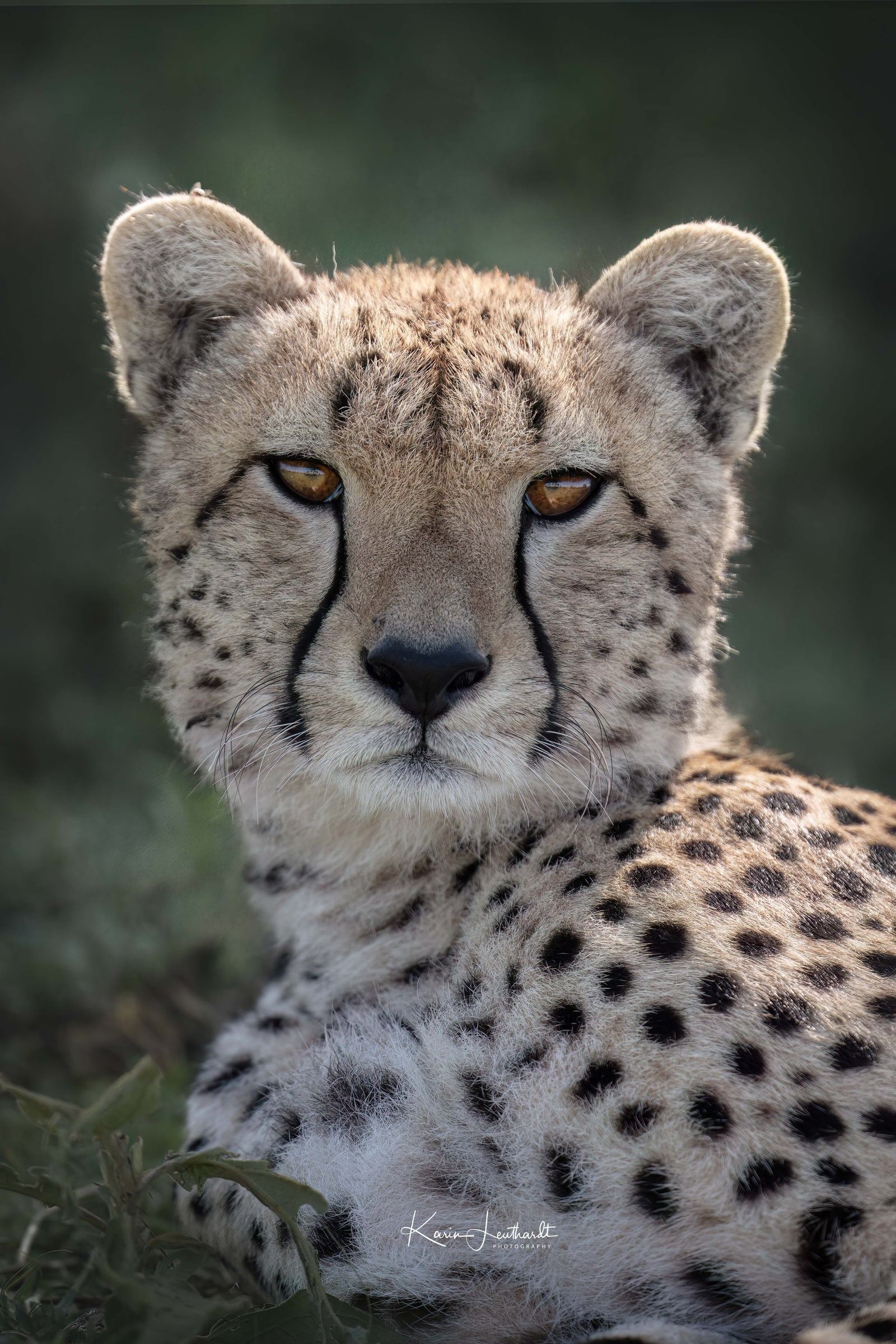
If the eyes are sharp, the whole picture looks sharp. Many cameras have animal or eye detection that helps with this.
- 03
Separate focus from the shutter button
With focus on a button under your thumb, known as back-button focus, you react faster and stay in control of the moment.
- 04
Use burst mode
With movement, the decisive pictures often come from a short burst: the look, the step, the leap.
Golden hour
Light makes the picture
Morning and evening
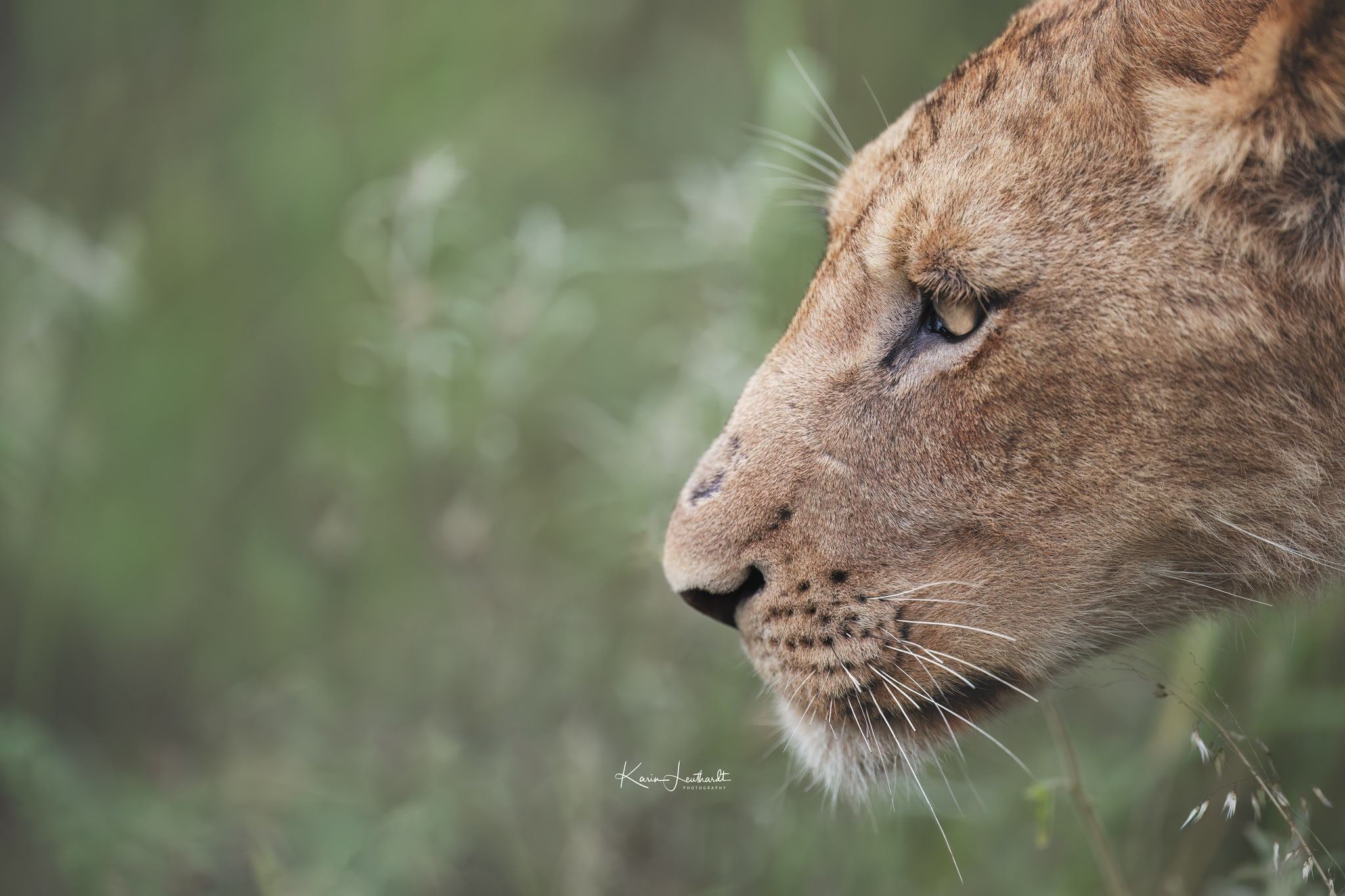
In the hour after sunrise and before sunset the light is warm and soft, the shadows are long and the animals are active. At midday the light is harsh and comes from above. That is the time for a break or for looking at details in the shade.
Polarizing filter and ND filter
Which filters are worth taking on safari
Filters are not essential in wildlife photography, but they are very useful in certain situations. It is important to know that every filter absorbs light and so lengthens the shutter speed.
| Filter | What for | On safari |
|---|---|---|
| Polarizing filter | Reduces reflections on water and leaves, makes the sky more saturated | For landscapes, waterholes and animals in green vegetation, costs about one to two stops of light |
| ND filter | Darkens evenly and allows long exposures | For landscapes, waterfalls and video; with animals only for deliberate motion blur |
| Graduated ND filter | Darkens only the bright sky | For sunrises and landscapes with a large difference in brightness |
| UV or protective filter | Protects the front element from dust and scratches | Useful on dusty tracks, barely changes the look of the picture |
From photo to picture
Composition that moves people
- 01
At eye level
The lower the camera, the closer the picture feels. In the vehicle it helps to sit low.
- 02
Space in the direction of gaze
Leave more space in front of the animal than behind it. The picture looks calm and tells where it is heading.
- 03
Watch the background
Moving the vehicle a short way can take a distracting branch or another vehicle out of the picture.
- 04
Show behaviour
A yawn, a look, an encounter between mother and young tell more than a plain portrait.
Good photography shows the soul of its subject.
Karin Leuthardt
Ethics in wildlife photography
No picture is more important than the animal
Animals are not lured, not fed and not crowded. No flash at night, no recordings played to attract birds, and enough distance so that the animal does not change its behaviour. More on this in the guide to safari etiquette.
FAQ
Frequently asked questions about wildlife photography on safari
Which lens is best for a safari?
A telephoto zoom with a focal length of 400 to 600 millimetres, for example 100 to 400 or 150 to 600 millimetres, plus a shorter zoom for landscapes.
What is the best camera for safari?
A camera with interchangeable lenses and fast autofocus, ideally with animal or eye detection and a good burst rate. Whether it is mirrorless or a DSLR is secondary.
Which settings are best for wildlife photography?
Shutter priority or manual with auto ISO, 1/1000 s or faster for movement, continuous autofocus and burst mode.
Do I need an ND filter for wildlife photography?
Usually not. An ND filter is mainly useful for landscapes, waterfalls and video, or for deliberate motion blur.
Is a polarizing filter worth it on safari?
Yes, for landscapes, waterholes and animals in green vegetation. But it absorbs light, so it is often taken off in the morning and evening.
Tripod or beanbag?
A beanbag in the vehicle. It is quick to set down and takes up no space. A tripod is only worthwhile at the lodge or for landscapes.