In short
A photo safari, also called a photographic safari or photography holiday, is a safari planned for photographers. The group is small, everyone has room in the vehicle, and the drives take place in the best light in the morning and evening. At a sighting you stay until the moment is right. An experienced wildlife photographer accompanies the group and helps with the camera, settings and composition. That way encounters become pictures that show what you felt.
Photography tours in Africa
A safari that follows the light
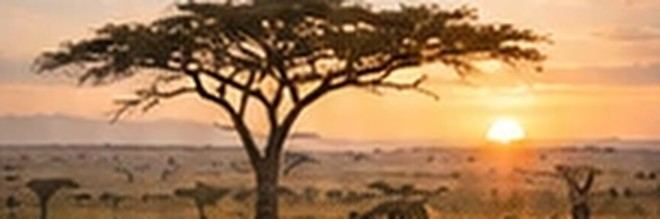
Sunrise in the Serengeti
On a normal safari the aim is to see as many animals as possible. On a photo safari the aim is to experience them in a way that produces a picture that tells more than a simple record. That takes time, the right light and someone who knows where and when waiting is worthwhile.
Karin’s wildlife photography holidays take small groups to Tanzania, Kenya, Uganda and South Africa. They are planned for photographers, but are just as open to nature and wildlife lovers who travel without a camera.
- 6
- participants at most, so that everyone has room and a clear view
- 2
- drives a day, in the soft light of morning and evening
- 20+
- years of experience as a wildlife and nature photographer
- 4
- destinations: Tanzania, Kenya, Uganda and South Africa
Photo safari or classic safari
What makes a photography tour different
Many classic safaris are wonderful, but they are not made for photographers. The differences lie in the details, and it is exactly these details that decide the picture.
| Classic safari | Photo safari with Karin | |
|---|---|---|
| Group | Often full vehicles with fixed seats | A maximum of 6 participants, room for equipment and a clear view |
| Daily rhythm | Fixed times, often out in the midday heat as well | Out in the best light, time for rest and pictures at midday |
| At the sighting | Move on as soon as everyone has seen the animal | Stay until the light, pose and background are right |
| Guidance | Guide explains the animals and landscape | A wildlife photographer as well, for camera, light and composition |
| Aim | See as many animals as possible | Experience animals and capture moments |
Your travel companion
Why travel to Africa with Karin?
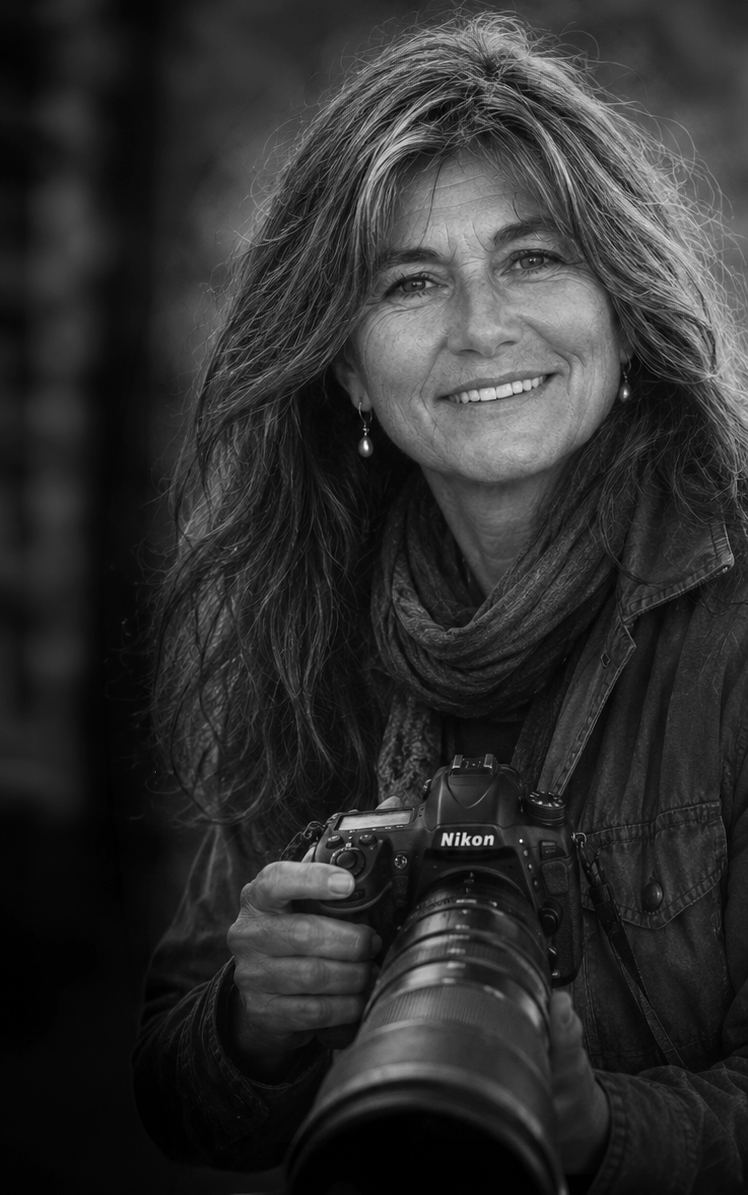
Karin Leuthardt is a wildlife and nature photographer from Switzerland and has lived in Andalusia for over 25 years. She has been photographing animals for over 20 years, in Africa, Costa Rica, Finland and Europe. On her trips she passes on this knowledge, personally and with a great deal of patience.
- 01
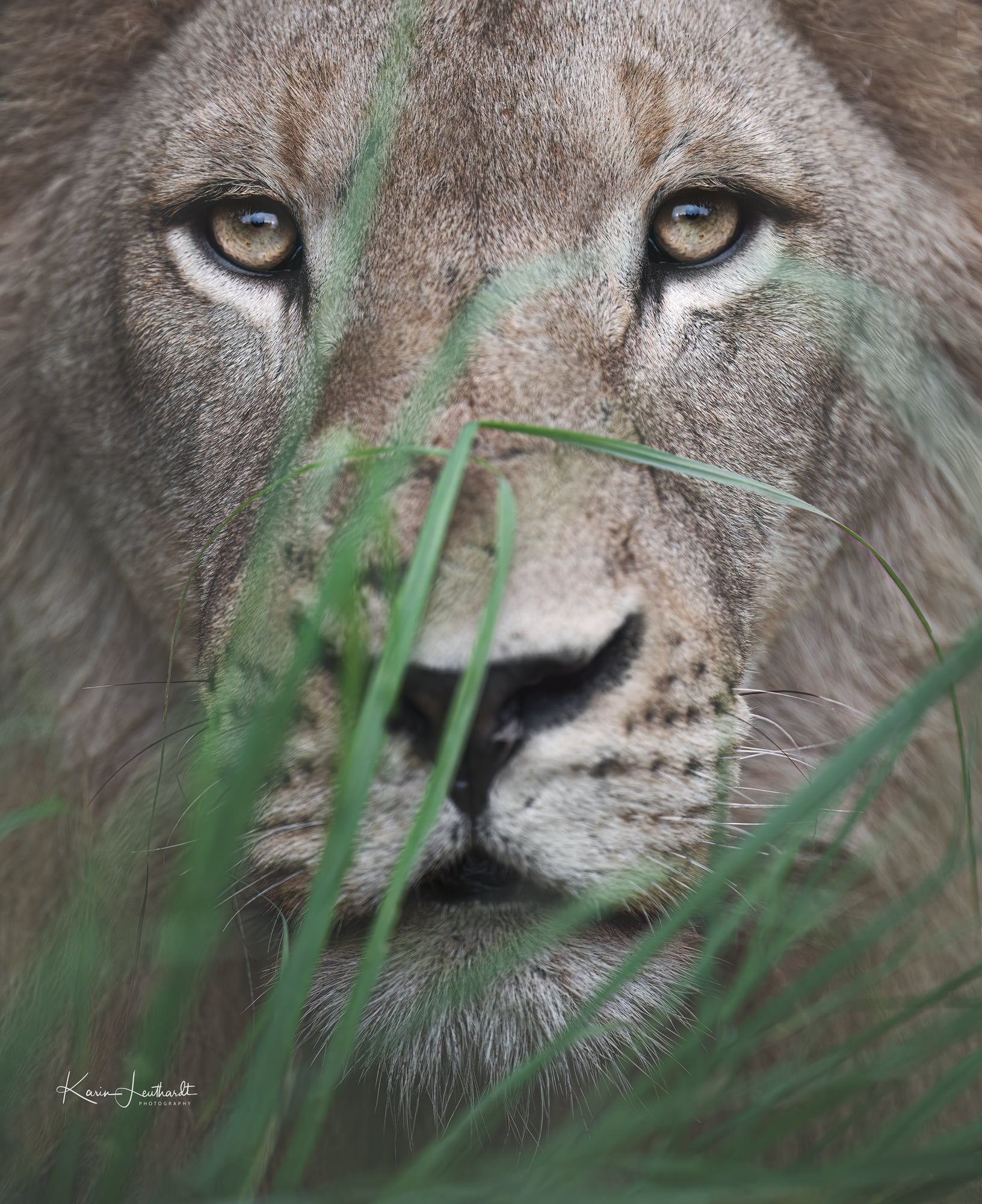
I know the spots
I know where the herds are at which time of year, where the evening light falls and which places are worth waiting at. That saves time and brings you closer to the special moments.
- 02
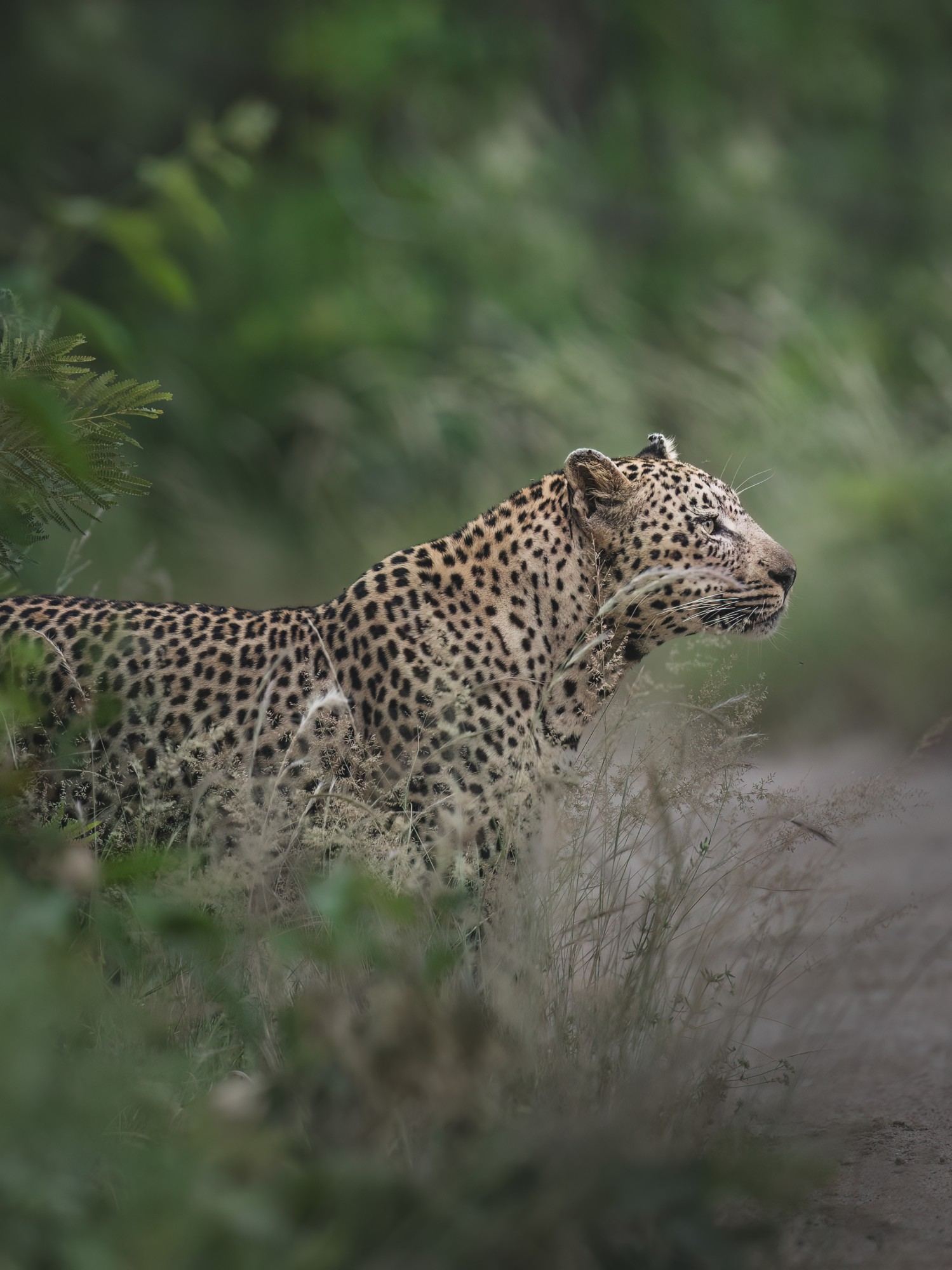
I know the animals
If you understand the animals’ behaviour, you are ready before the moment comes. I tell you when a cheetah is about to set off, when a leopard is about to climb down from a tree and when it is time to hold the camera steady.
- 03
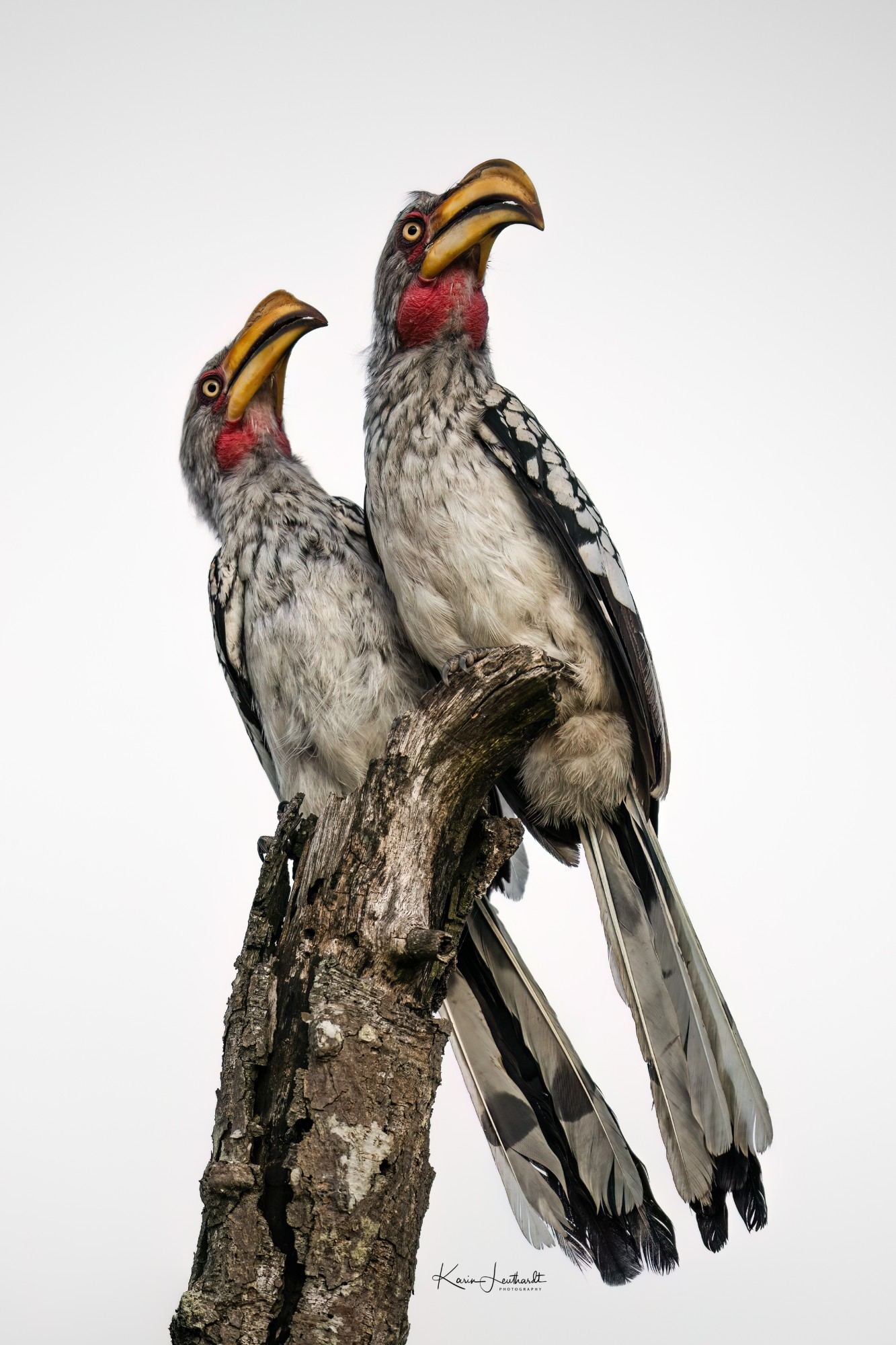
I know the camera
Shutter speed, aperture, ISO, autofocus and filters: I help you set up your camera so that it works at the decisive moment, whether you are using a telephoto lens for the first time or have done so for years.
- 04
Pictures that carry emotion
A good wildlife photo does not just show an animal. It shows warmth, tension, closeness. I show you how to use light, background and the direction of the animal’s gaze so that your pictures tell what you felt.

With or without experience
Who a photo safari suits
- 01
Beginners
You learn the most important settings on location and understand why a picture works. Professional equipment is not necessary.
- 02
Experienced photographers
You make full use of the time at sightings and work specifically on picture ideas, light and visual style.
- 03
Travel companions without a camera
A small group, plenty of time with the animals and calm encounters: even without a camera, a photo safari is an intense experience.
Daily routine
A day on a photo safari
From first light to dusk
You head out early in the morning, when the light is soft and the animals are active. Midday is time for rest, reviewing pictures and questions. In the late afternoon comes the second drive, often until the last light.
I capture what often remains unseen.
Karin Leuthardt
Photography tours 2027 and 2028
Karin’s photo safaris in Africa
The Tanzania safari during the calving season in February and March 2027 is fully booked. There are still places available on the other trips.
South Africa
Luxury safari in a private Kruger reserve from 23 to 31 May 2027.
Uganda
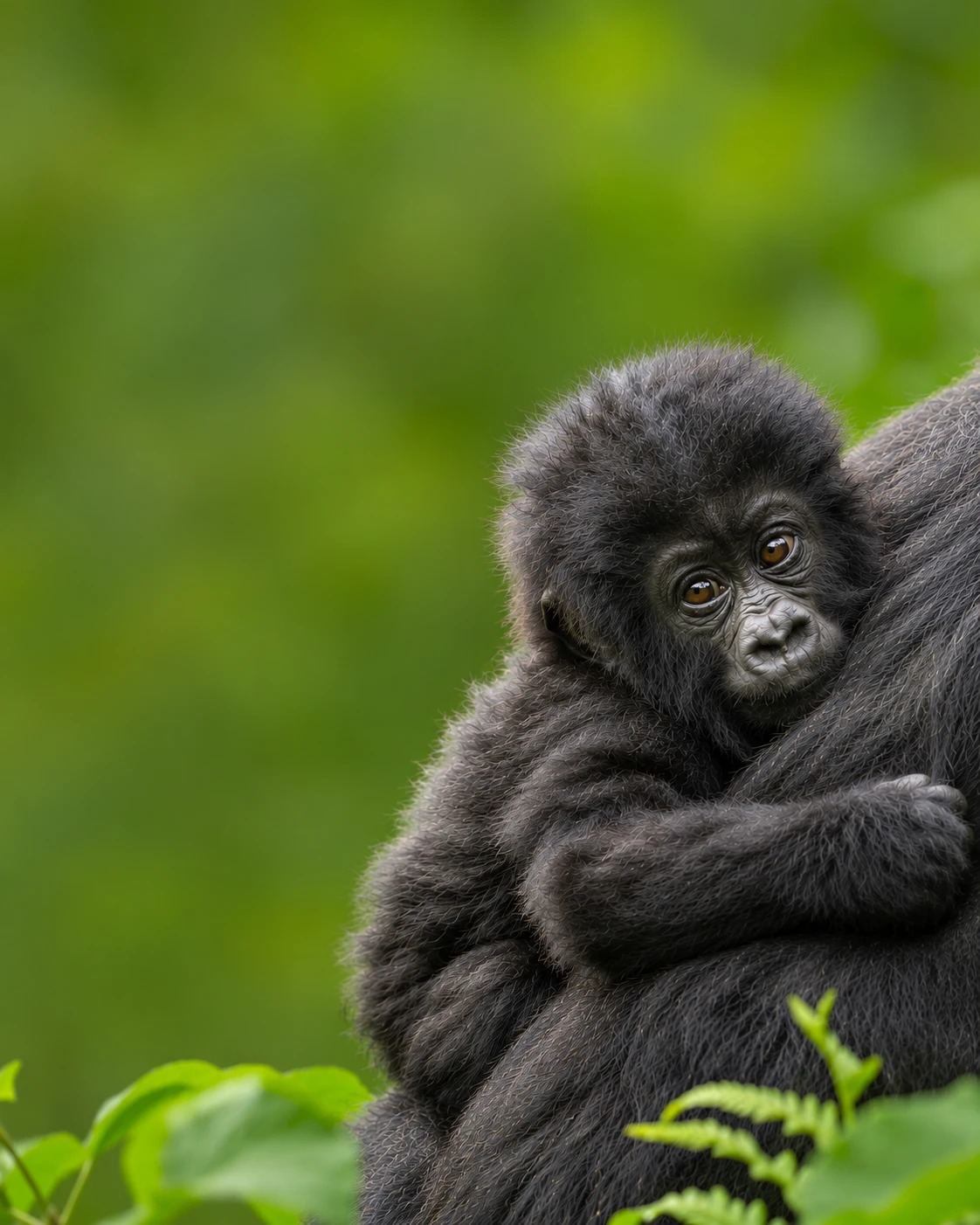
Gorillas, chimpanzees and savannah in September 2027 and February 2028.
Kenya
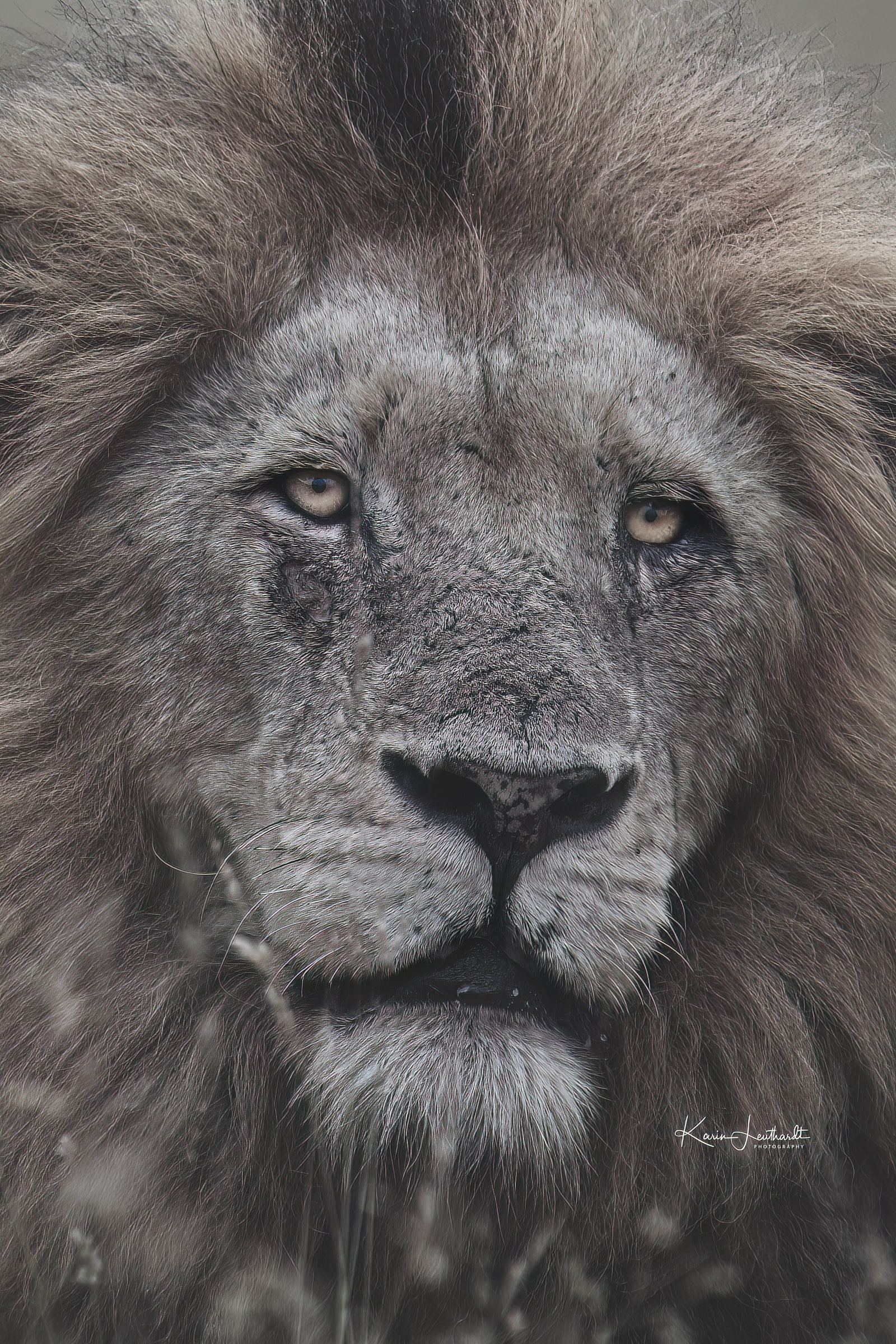
Masai Mara, Lake Nakuru and Amboseli from 17 to 26 October 2027.
FAQ
Frequently asked questions about photo safaris
What is a photo safari?
A safari planned for photographers: a small group, drives in the best light, time at sightings and guidance from an experienced photographer.
What is the difference between a photography holiday and a safari?
A classic safari shows you as many animals as possible. A photography holiday plans the day around light and animal behaviour and allows time until a picture succeeds.
Do I need a professional camera?
No. A camera with interchangeable lenses and a telephoto zoom are enough. Karin helps you with the settings on location.
How big is the group?
A maximum of 6 participants, personally accompanied by wildlife photographer Karin Leuthardt.
Can I come along without a camera?
Yes. The trips are planned for photographers, but equally for nature and wildlife lovers without a camera.
Which wildlife photography holidays does Karin Leuthardt offer?
Photo tours to South Africa in May 2027, to Uganda in September 2027 and February 2028, and to Kenya in October 2027. The Tanzania safari in February and March 2027 is fully booked.